
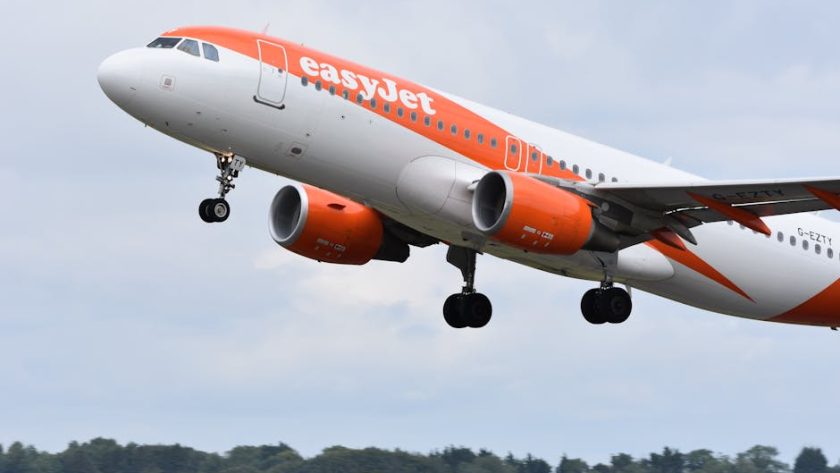
A recent analysis of flight data from Bristol Airport (BRS) revealed that booking merely 8 weeks in advance for popular European destinations can save travellers an average of 15-20% compared to last-minute fares. This tangible saving highlights the critical role of strategic planning in securing affordable air travel from the South West’s largest airport. Navigating the complexities of flight pricing in 2026 requires more than just luck; it demands a methodical approach and an understanding of key market dynamics.
This guide provides a comprehensive, step-by-step methodology for identifying and booking cheap flights originating from Bristol. From understanding the airport’s specific operational patterns to leveraging advanced search techniques, every section is designed to equip you with actionable intelligence. The goal is straightforward: to consistently find and secure the lowest possible fares for your journeys throughout 2026, transforming the often-frustrating process of flight hunting into a predictable, successful endeavour.
Understanding Bristol Airport’s Price Dynamics 2026
Bristol Airport (BRS) operates within a specific set of financial and logistical parameters that directly influence ticket prices. Unlike larger hubs, BRS’s route network is primarily dominated by a few key budget carriers, which creates a competitive environment but also limits options on certain routes. Understanding these underlying dynamics is crucial for predicting price fluctuations and identifying optimal booking times.
BRS serves over 120 destinations, predominantly across Europe, with a smaller number of long-haul charter flights. The airport’s operational costs, runway slot availability, and passenger demand patterns all contribute to the final ticket price. For instance, flights during UK school holidays or major European festivals inherently command higher prices due to predictable surges in demand. Conversely, mid-week departures outside peak seasons often present significant savings. A nuanced understanding of these factors allows for a proactive approach to fare hunting rather than simply reacting to listed prices.
Key Airlines Operating from BRS
The majority of routes from Bristol Airport are serviced by Ryanair and easyJet. These airlines are the primary drivers of low-cost travel from BRS, offering extensive networks to popular leisure and business destinations. Other carriers include TUI, Jet2.com, and KLM, providing a mix of package holidays and scheduled international routes. Each airline maintains its own pricing algorithms, which respond differently to demand, fuel costs, and competitive pressures. For example, Ryanair often releases its cheapest seats many months in advance, whereas easyJet might have more dynamic pricing closer to departure. Familiarity with these individual airline behaviours allows for targeted search strategies.
Peak vs. Off-Peak Travel Periods
Identifying peak and off-peak travel periods is a fundamental strategy for saving money. For Bristol departures, peak times typically align with school holidays (Easter, summer, half-terms, Christmas), bank holidays, and major sporting or cultural events in destination cities. Off-peak periods usually fall in mid-January to mid-March (excluding February half-term), late April to early May, and parts of November. Flying on Tuesdays or Wednesdays generally yields lower fares than Fridays, Saturdays, or Sundays. A flight departing from BRS on a Tuesday morning in February 2026, for instance, could be up to 30-40% cheaper than the same route on a Friday afternoon in July 2026. This stark difference underscores the value of flexibility.
Regional Competition’s Impact
While Bristol is a significant regional airport, it faces competition from nearby airports such as Cardiff (CWL), Exeter (EXT), and even London airports (LHR, LGW). Passengers willing to travel slightly further for their departure point can sometimes find better deals. For example, a route not directly offered from BRS might be available from Cardiff at a lower price, even factoring in the additional travel to CWL. Likewise, for long-haul flights, connecting via London Heathrow or Gatwick is often more economical than a multi-stop journey initiated from BRS. Checking these alternative departure points, particularly for non-European travel, is an essential step in thorough fare research.
Strategic Flight Search Methods for BRS Departures

Finding cheap flights from Bristol isn’t about repeatedly checking the same airline website. It involves employing a range of strategic search methods designed to uncover hidden deals and expose pricing discrepancies. These techniques leverage the way online travel agencies (OTAs) and airline booking systems operate, allowing you to bypass artificially inflated prices and secure genuinely low fares.
The digital landscape for flight booking is vast and constantly evolving in 2026. Generic searches often return higher prices because they don’t account for dynamic pricing models or aggregated data across multiple platforms. A strategic approach involves using specific tools and habits to manipulate the search parameters in your favour. This includes varying your origin and destination, being flexible with dates, and understanding how your online behaviour might influence the prices presented to you.
Utilizing Flexible Date Search
Flexibility with travel dates is perhaps the single most impactful factor in finding cheaper flights from Bristol. Instead of searching for a specific date, use the ‘flexible dates’ or ‘month view’ options available on major flight comparison websites. These tools display a calendar of prices across an entire month or even a year, immediately highlighting the cheapest days to fly. For a weekend trip in April 2026, for example, shifting your departure from Friday to Thursday or your return from Sunday to Monday could result in savings of £50 to £100 per person. Even a one-day shift can make a substantial difference, particularly on popular routes like Bristol to Dublin or Bristol to Malaga.
Employing Incognito Browsing Techniques
Many online flight booking platforms use cookies to track your search history. If you repeatedly search for the same route and dates, the system may interpret this as high demand and potentially show you higher prices on subsequent visits. To counteract this, always search for flights using your browser’s incognito or private browsing mode. This prevents websites from storing cookies and potentially displaying inflated prices based on your search patterns. Clearing your browser’s cookies and cache regularly can achieve a similar effect. Perform initial research in incognito, compare prices, and then clear browsing data before making the final booking.
Comparing One-Way vs. Return Tickets
While a standard return ticket often seems like the most logical choice, comparing the cost of two separate one-way tickets can sometimes yield unexpected savings, especially with budget airlines. This is particularly true if you are flying with different carriers for your outbound and inbound legs, or if one airline offers a significantly cheaper one-way fare for a specific direction. For example, flying Bristol to Rome with Ryanair and then Rome to Bristol with easyJet might be cheaper than a direct return with either. Always calculate the total cost of two one-way tickets and compare it directly against the round-trip price before committing. This strategy requires slightly more administrative effort but can unlock considerable savings.
The Optimal Booking Window for Bristol Flights
The concept of an “optimal booking window” is paramount for securing cheap flights from Bristol. This isn’t a fixed rule but rather a dynamic range, informed by historical data, route popularity, and airline pricing strategies. Booking too early or too late can lead to higher fares. Understanding this window is critical for maximising your chances of finding the lowest prices throughout 2026.
Airline pricing models are complex, designed to maximise revenue. Early on, a few seats are released at very low prices to attract initial bookings. As the flight fills up and departure approaches, prices generally rise. However, there can be dips if a flight isn’t selling as expected. The goal is to hit that sweet spot where demand hasn’t yet driven prices sky-high, but initial low-fare buckets are still available. This sweet spot varies significantly between short-haul European and long-haul international flights.
European Short-Haul Timing
For the majority of European short-haul flights departing from Bristol (e.g., to Paris, Amsterdam, Dublin, Faro), the optimal booking window typically falls between 6 to 12 weeks before departure. For peak season travel (July-August, Christmas), extending this to 12-16 weeks is advisable. Booking within this timeframe gives airlines enough time to gauge demand, but usually before panic buying sets in. Prices can fluctuate daily, so consistent monitoring within this window is beneficial. For a flight to Berlin in May 2026, aiming to book in late February or early March offers the best chance of securing a competitive fare. This window captures the balance between early bird discounts and last-minute price hikes.
Long-Haul Flight Lead Times
Long-haul flights originating from Bristol, often involving a connection, require a significantly longer lead time. The optimal window for destinations like New York (via Dublin/Amsterdam) or further afield generally ranges from 4 to 8 months in advance. For particularly popular long-haul routes or during major holiday periods, extending this to 10-12 months can yield the best results. Airline seats on these routes are typically released much earlier, and the cheapest fare buckets are snapped up quickly. Waiting until 3-4 months before departure for a long-haul flight can often mean paying 50-100% more than the initial lowest prices.
Weekend vs. Midweek Departures
The day of the week you choose to fly significantly impacts the price, regardless of the booking window. Flights departing on Tuesdays, Wednesdays, and sometimes Thursdays are consistently cheaper than those on Fridays, Saturdays, and Sundays. This pattern holds true for flights from Bristol. For example, a weekend return to Rome could cost £150, while a mid-week return might be £80. Similarly, early morning flights before 08:00 and late evening flights after 20:00 often present lower fares than those during peak daytime hours (09:00-17:00). Flexibility in your departure and arrival days can easily save you tens, if not hundreds, of pounds on a single trip.
Leveraging Fare Alert Systems and Price Prediction Tools 2026
In the dynamic landscape of 2026 flight pricing, passively waiting for deals is an outdated strategy. Proactive engagement with technology, specifically fare alert systems and price prediction tools, is indispensable for securing the cheapest flights from Bristol. These tools act as your personal price monitoring agents, notifying you of fluctuations and helping you identify the best moment to book.
These systems work by constantly tracking millions of flight routes and analysing historical data to predict future price movements. They remove the need for manual, repetitive searching, allowing you to set your desired parameters and receive notifications directly to your email or mobile device. Leveraging these tools effectively can mean the difference between paying an average fare and snagging a truly exceptional deal from BRS.
Setting Up Price Drop Notifications
Most major flight search engines and online travel agencies offer free price alert services. To utilise this effectively, simply search for your desired route from Bristol (e.g., BRS to Barcelona), select your dates (or indicate flexibility), and then look for an option to ‘create a fare alert’ or ‘track prices’. Once activated, you will receive emails when the price for that specific route and date range drops. Setting multiple alerts for slightly different dates or even nearby airports can significantly increase your chances of finding a bargain. For instance, setting an alert for Bristol to Krakow, and a separate one for Bristol to Warsaw, might highlight a cheaper entry point into Poland.
Interpreting Price Trend Data
Beyond simple price drop alerts, some advanced tools offer detailed price trend graphs and predictions. These graphs show the historical price fluctuations for a given route over weeks or months, often indicating whether the current price is considered ‘low’, ‘average’, or ‘high’. They might even provide a prediction on whether prices are expected to rise or fall in the coming days or weeks. Learning to interpret these trends is crucial. If a tool indicates prices are currently ‘high’ but predicted to drop, it suggests holding off on booking for a few more days. Conversely, if prices are ‘low’ and expected to rise, it’s an opportune moment to purchase. This data-driven insight empowers more informed booking decisions.
Best Tools for Tracking Bristol Routes
Several platforms excel at providing fare alerts and price prediction for Bristol routes:
- Google Flights: Excellent for its flexible date grid and email tracking feature. Easy to use and provides a good overview of price trends.
- Skyscanner: Offers a ‘Price Alerts’ feature for specific routes and a ‘Everywhere’ search function to discover cheap destinations from BRS.
- Kayak: Provides ‘Price Forecasts’ which indicate whether to buy now or wait, based on historical data. Also includes a robust price alert system.
- Hopper: A mobile-first app that uses predictive analytics to advise when to book flights, often with high accuracy for specific routes.
Each tool has its nuances, so experimenting with a couple to see which best fits your search style for flights from Bristol is recommended. The key is consistent use and trusting the data these platforms provide.
Navigating Baggage Fees and Hidden Costs from BRS
Securing a cheap flight from Bristol is only half the battle; avoiding unexpected expenses once you’ve booked is equally important. Baggage fees, seat selection charges, and payment processing fees can quickly inflate the total cost of your journey, especially with budget airlines. A comprehensive understanding of these potential hidden costs in 2026 is vital for accurate budgeting and ensuring your ‘cheap’ flight remains genuinely affordable.
Budget airlines, while offering attractive base fares, often unbundle services that traditional carriers include. This means you pay extra for amenities like checked luggage, choosing a seat, or even printing a boarding pass at the airport. Failure to account for these can lead to significant surprises at the gate. Proactive planning and careful consideration of what you truly need will save you money and prevent stressful last-minute charges.
Hand Luggage Restrictions by Carrier
Every airline operating from BRS has specific hand luggage policies. Ryanair, for example, typically includes a small personal item (40x20x25cm) that fits under the seat. To bring a larger cabin bag (55x40x20cm), you usually need to purchase ‘Priority & 2 Cabin Bags’. EasyJet’s standard fare includes a large cabin bag (45x36x20cm) that fits under the seat, with larger overhead locker bags requiring an upgrade. TUI allows one piece of hand luggage up to 10kg. Always check the exact dimensions and weight limits for your specific airline and ticket type immediately after booking. Measuring your bag before you travel and knowing the rules can prevent hefty gate fees, which can sometimes exceed the cost of the original flight.
Strategies for Minimizing Checked Bag Expenses
If you need to check a bag, several strategies can help minimise the cost. Firstly, always book your checked luggage online during the initial booking process. Adding it later, especially at the airport, is almost always more expensive. Secondly, consider sharing a single larger checked bag between two or more travellers if total weight permits, rather than each person checking a smaller bag. Thirdly, invest in lightweight luggage to maximise the weight allowance for your belongings. Finally, for short trips, assess if you truly need a checked bag. Can essentials be condensed into a larger cabin bag if you’ve purchased that upgrade? Packing light is often the most effective cost-saving measure.
Understanding Seat Selection Charges
Most airlines, particularly budget carriers from Bristol, charge for advanced seat selection. If you don’t select a seat, you will be assigned one randomly at check-in, which may mean not sitting with your travel companions. Ryanair charges typically range from £3-£15 per seat, depending on the route and seat type (e.g., extra legroom). EasyJet’s charges are similar. To avoid these fees, simply opt not to select a seat. If sitting together is crucial, consider online check-in as early as possible (usually 24-48 hours before departure) to increase your chances of being seated together before random assignments are finalised. For short flights, the cost of seat selection is often an unnecessary expense that can be easily avoided.
Alternative Airports and Transit Options to Save Money
While Bristol Airport (BRS) offers convenience for South West residents, limiting your search solely to BRS can sometimes mean missing out on significant savings. Expanding your net to include alternative airports, even those requiring a slightly longer journey, can unlock cheaper flights, especially for certain destinations or during peak travel periods. This requires a calculated assessment of the trade-off between flight savings and additional transit costs and time.
The UK’s dense network of airports means that a flight from London, Birmingham, or even Cardiff might offer a better deal, particularly if BRS prices are inflated. This strategy is not about abandoning Bristol but rather about employing it as a secondary, flexible option when direct BRS flights are not competitive. The true cost of travel encompasses both the flight ticket and the journey to and from the airport.
Comparing London Airports vs. Bristol
For many international and long-haul destinations, London’s airports (Heathrow, Gatwick, Stansted, Luton) offer a far wider range of routes and often more competitive pricing due to higher volume and greater competition. A return train ticket from Bristol Temple Meads to London Paddington costs approximately £50-£90 (if booked in advance), with a journey time of around 1.5-2 hours. If a flight from London Gatwick to, say, Faro is £150 cheaper than the same flight from Bristol, the London option becomes financially viable. For example, a flight to New York might be £400 cheaper from Heathrow than a connecting flight from BRS, more than offsetting the £100 train journey. Always compare the total cost, including ground transportation, when considering London as an alternative.
The Birmingham (BHX) Factor
Birmingham Airport (BHX) is another viable alternative, particularly for those in the northern parts of the Bristol region or those travelling towards the Midlands. A direct train from Bristol Parkway to Birmingham New Street takes around 1.5 hours and costs roughly £30-£60. BHX often offers routes and prices that compete with BRS, especially for destinations in Eastern Europe or certain Mediterranean resorts. For instance, if BRS flights to Budapest are consistently high, checking BHX might reveal a cheaper direct flight. The slightly longer travel time to BHX can be a worthwhile trade-off for significant flight savings, particularly for families or groups where savings multiply.
Ground Transportation Costs to BRS
When calculating the overall cost of a cheap flight from Bristol, never overlook the expense of getting to and from Bristol Airport itself. Parking at BRS can be expensive, with long-stay parking often costing £60-£100 for a week. Alternatives include the Bristol Airport Flyer bus service from Bristol Temple Meads (£9-£15 return), or taxi services which can range from £20-£40 depending on your starting point in the city. If driving and parking, consider booking parking in advance for discounts of 10-20%. For early morning or late-night flights, public transport options may be limited, potentially forcing reliance on more expensive taxis. Always factor these ground transportation costs into your overall budget comparison before deciding if a flight is truly ‘cheap’.
Practical Tips for Booking during Sales and Promotions
Airline sales and promotions represent prime opportunities to secure genuinely cheap flights from Bristol, but identifying true bargains requires a discerning eye and a proactive approach. Not all ‘sales’ offer significant savings, and understanding how to navigate these promotional periods in 2026 is crucial for maximising your potential to save money. This involves being informed, acting swiftly, and understanding the fine print.
Airlines regularly launch sales, often tied to specific seasons, events, or even just to stimulate demand. These promotions can range from percentage discounts on base fares to ‘buy one get one free’ offers or discounted package deals. The key is to be prepared and to recognise when a promotion genuinely offers a lower price than you could find through regular searching. Impulsive booking during a ‘sale’ without prior research can still lead to overspending.
Identifying Genuine Discounts
The first step in leveraging sales is to have a baseline understanding of average flight prices for your desired Bristol routes. Before a sale, do some preliminary research on your target destinations and dates. When a promotion is announced, compare the ‘sale’ price directly against these known averages. Some ‘sales’ simply offer fares that are similar to what you might find by booking during the optimal window anyway. Look for percentage discounts of 15% or more off the regular fare, or significantly reduced prices on specific high-demand routes. Genuine discounts often appear for off-peak travel, encouraging bookings during quieter periods for BRS departures.
For example, if a flight to Milan from BRS typically costs £80-£120 return, a sale advertising fares at £60-£70 is a strong indicator of a real saving. However, if the ‘sale’ price is £95, it might not be a substantial discount compared to prices found during flexible mid-week searches.
Newsletter Subscriptions for Early Access
Many airlines and flight aggregators offer exclusive early access to sales and promotions to their newsletter subscribers. Sign up for email alerts from major airlines operating from Bristol (Ryanair, easyJet, TUI, Jet2.com) as well as popular flight deal websites. These newsletters often provide a heads-up on upcoming sales or even special discount codes before they are widely advertised. Being among the first to know means you have the best chance of snagging the limited number of cheapest seats, which are often the first to sell out during popular promotions. Set up a dedicated email folder for these alerts to keep them organised and easily accessible.
Group Booking Considerations
When travelling in a group from Bristol, a common misconception is that booking all tickets together automatically yields a better price. This is not always the case, especially with budget airlines. Airline booking systems often price the entire group based on the highest available fare bucket for the requested number of seats. For instance, if there are only three seats left at £50 and the rest are £80, a booking for four people will likely be priced at £80 per person for all four, rather than three at £50 and one at £80. A strategic approach for groups is to check prices for single tickets first. If a significant difference is observed, consider splitting the booking into smaller groups (e.g., two bookings of two people, or one single and one triple) to secure the cheaper fares for as many individuals as possible. Always compare total costs before finalising a group booking from BRS.
To consistently secure cheap flights from Bristol in 2026, the most effective strategy is a combination of early planning, date flexibility, and diligent use of available tools. Start monitoring prices at least 3-4 months out for European routes and 6-8 months for long-haul, setting up multiple fare alerts across different platforms. Remain flexible with your departure and arrival days, targeting mid-week travel. Furthermore, always account for potential hidden costs like baggage and seat selection fees. By adhering to these principles, you will reliably identify and book the best possible fares from BRS.