
Most people think domestic travel means you just need your phone and a wallet. I thought that too — until I got stuck at a TSA checkpoint in Denver because my driver’s license was expired by 3 weeks. They let me through with extra screening, but my connecting flight was gone. That 4-hour delay taught me a hard lesson: the rules for domestic travel documents are not as simple as “just an ID.”
Here are the 6 documents I now carry on every single trip — even if I’m just driving two states over.
1. The ID That Actually Works (Hint: It’s Not Your Old License)
The biggest trap right now is the REAL ID deadline. Starting May 7, 2026 (enforcement begins then), your standard state driver’s license won’t get you through TSA security for domestic flights. You need a REAL ID-compliant license, a passport, or a passport card.
I checked my own license — it has a gold star in the corner. That’s the REAL ID marker. If yours doesn’t have that star, or says “Not for Federal Identification,” you’re going to have problems.
What I carry: My REAL ID-compliant California driver’s license. It costs $40 to upgrade. If you don’t have one, get it now — DMV wait times in my state are 6-8 weeks for the appointment.
Backup option: A U.S. Passport Card ($65, valid 10 years) fits in your wallet and works for domestic flights and land/sea border crossings. I keep mine in my carry-on as a spare.
What happens if your ID fails
TSA will still let you fly — but they pull you into secondary screening. You get a pat-down, every bag gets opened, and you lose 20-40 minutes. I’ve seen people miss flights this way. Don’t risk it.
2. The Boarding Pass (Digital Is Fine, But Have a Backup)
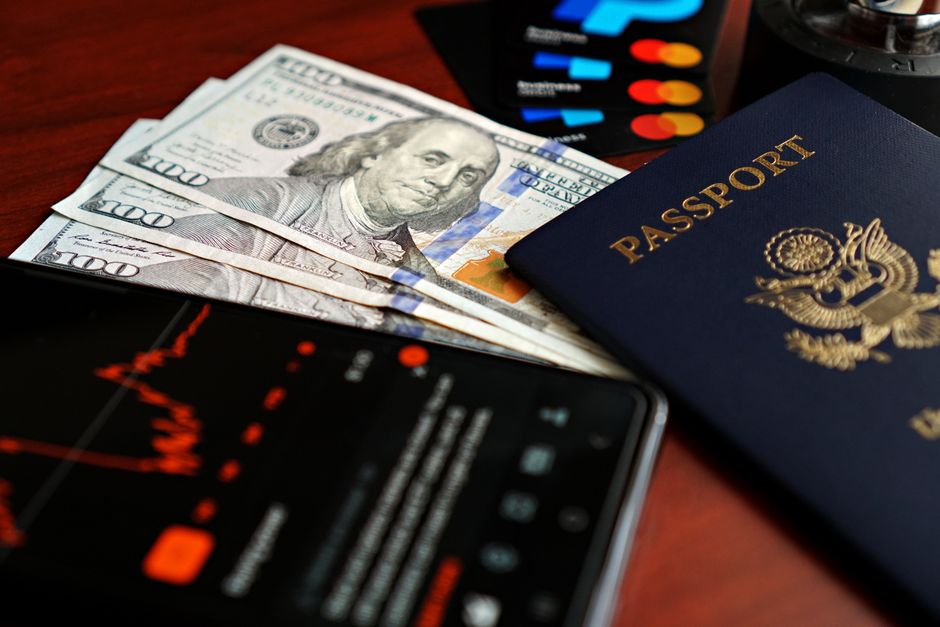
Your phone’s boarding pass works 95% of the time. The other 5%? Dead battery, broken screen, or the airline’s app crashes. I watched a guy in Atlanta last month spend 15 minutes trying to pull up his Delta pass while his phone refused to cooperate.
My rule: Download the PDF boarding pass to my phone’s files and take a screenshot. I also print a paper copy at the kiosk if I’m checking a bag. Paper never runs out of battery.
Specific tip for Southwest: Their app doesn’t always show the QR code clearly in low light. I screenshot it every time.
3. Health Insurance Card (The One You Forget Until You Need It)
I broke my ankle on a hiking trip in Oregon — 400 miles from home. The urgent care clinic needed my insurance info before they’d even look at me. Without my card, they would have made me pay $250 upfront just for the visit.
What I carry: A physical copy of my health insurance card in my wallet. I also keep a photo of the front and back in my phone’s hidden album. That saved me once when I left my wallet in a rental car.
For international trips (even domestic to remote areas): Some travel insurance policies cover domestic medical evacuation. I use World Nomads for that — $50 for a week covers helicopter evacuation if I’m hiking somewhere stupid.
The mistake people make
They assume their insurance works everywhere. It doesn’t. Check your network — many PPO plans have limited coverage out of state. I found out my plan only covers emergency room visits outside my home state, not urgent care. That mattered.
4. Emergency Contact & Medical Info Card
This sounds paranoid. I know. But I watched a friend have a severe allergic reaction on a train in New Mexico — no one knew his blood type, his allergies, or who to call. Paramedics had to guess.
What I do: I carry a laminated card in my wallet with three things:
- My blood type (O+), known allergies (penicillin, shellfish), and any chronic conditions (none for me, but I list my asthma inhaler)
- Two emergency contacts with phone numbers
- My doctor’s name and phone number
It takes 5 minutes to make. I used a template from the CDC website — free, printable. My wife has one too. It’s never been used, but the peace of mind is worth the paper.
5. Cash and a Backup Payment Method
Not a document, I know. But hear me out. When your phone dies and your wallet gets stolen, you need a way to pay for a hotel room, a bus ticket, or food. I’ve been there — in rural Montana, no ATM for 30 miles, and my only card was frozen by the bank’s fraud department.
What I carry: $100 in small bills ($5s and $10s) hidden in my suitcase lining. I also keep a separate credit card (not my main one) in my shoe or sock. The Chase Sapphire Preferred ($95 annual fee) is my backup — no foreign transaction fees, and they overnight a replacement card if I lose it.
For domestic trips: A Visa or Mastercard gift card ($25-50) tucked in your toiletry bag works as a last-resort payment. I’ve used it twice — once to buy gas when my wallet was stolen at a beach.
6. A Printed Itinerary (With Confirmation Numbers)

I know — we all use apps. But when cell service drops (which happens constantly in national parks, on highways, and in airports), you can’t pull up your hotel confirmation or rental car reservation.
What I print: A single sheet of paper with:
- Flight numbers, dates, and times
- Hotel names, addresses, and confirmation codes
- Rental car reservation number and phone number
- Any pre-booked tour or activity confirmations
I fold it into my passport or wallet. It takes 2 minutes. I’ve used it three times in the last year — once when my phone died at a hotel check-in counter, and twice when I couldn’t get a signal in remote areas.
The one exception
If you’re staying at a major chain (Marriott, Hilton, Hyatt), they can usually look up your reservation with just your name and ID. But smaller hotels, Airbnbs, and rental car agencies? They need that confirmation number. Print it.
Quick Comparison: What to Carry vs. What to Leave Home
| Document | Always Carry | Leave at Home |
|---|---|---|
| Driver’s License / REAL ID | Yes — current, unexpired | Expired licenses, old student IDs |
| Passport / Passport Card | Yes — as backup for flights | Not needed for driving trips |
| Health Insurance Card | Yes — physical + photo | Old cards from previous plans |
| Emergency Contact Card | Yes — laminated in wallet | Not needed if you don’t have allergies or conditions |
| Cash ($100 in small bills) | Yes — hidden in luggage | Large bills ($50s, $100s) — hard to break |
| Printed Itinerary | Yes — single page with confirmation numbers | Full trip binder — overkill for short trips |
The bottom line: I don’t travel without these six things anymore. A REAL ID-compliant license, a backup boarding pass, my health card, an emergency contact card, $100 in cash, and a printed itinerary. It takes 10 minutes to prep and has saved me from hours of headache. Skip the passport for domestic flights if you want — but don’t skip these.