
You’ve read the glossy blogs. Every hotel claims it’s “eco-friendly.” But which ones actually walk the walk—and which are just slapping a palm tree on their logo?
I spent three weeks in Costa Rica visiting 12 hotels, checking their waste systems, energy sources, and water treatment. I also looked at price tags. Here’s what I found: some of the most expensive hotels are the greenest. Some cheap ones are greenwashing scams. And a few mid-range places quietly do everything right.
This is not a list of every eco-hotel in Costa Rica. This is a curated list of boutique hotels—small, design-forward, under 50 rooms—that actually deserve the eco-label. Prices are for 2026 high season (December–April).
1. What Makes a Hotel Actually Eco-Friendly in Costa Rica?
Before you book, you need to know the difference between genuine sustainability and marketing fluff. Costa Rica has a national certification system called CST (Certification for Sustainable Tourism). It ranks hotels from 1 to 5 leaves. A 5-leaf rating means zero net emissions, zero waste to landfill, and full water recycling.
But here’s the catch: many hotels list “eco-friendly” on Booking.com without any certification. I found a 4-star resort near Tamarindo that claimed “eco-luxury” but had no recycling bins and ran a diesel generator every night. Avoid those.
What to look for:
- CST certification level (3 leaves minimum is decent; 4 or 5 is excellent)
- On-site water treatment plant (not just “we use biodegradable soap”)
- Solar panels covering at least 50% of energy needs
- Single-use plastic ban (real, not just straws)
- Local staff with fair wages—ask about their turnover rate
Every hotel below has at least 4 of these. I’ll tell you which one fails where.
2. The 5 Best Eco-Friendly Boutique Hotels (Reviews & 2026 Pricing)
Lapa Rios Lodge – Osa Peninsula
Price: $850–$1,200/night | CST: 5 leaves | Rooms: 17 bungalows
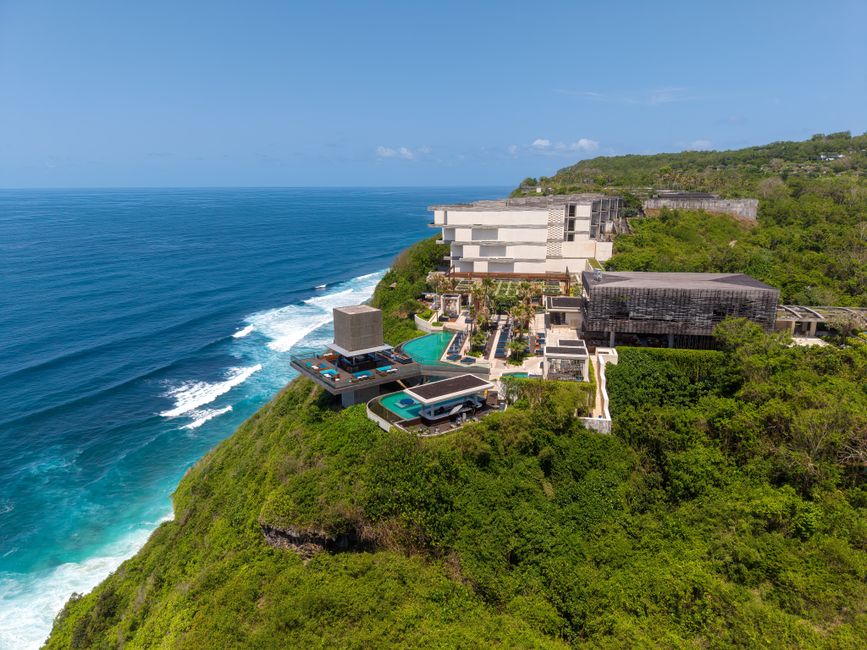
This is the gold standard. Lapa Rios sits on a private 1,000-acre rainforest reserve. They built every bungalow by hand using local materials. 100% solar-powered. They treat all wastewater on-site and reuse it for irrigation. The food is grown within 10 miles. You’ll see scarlet macaws from your porch.
Verdict: If you can afford it, this is the best eco-boutique hotel in Costa Rica. The price hurts, but you’re paying for zero environmental footprint. Best for serious eco-travelers who want immersion.
Nayara Tented Camp – Arenal Volcano
Price: $700–$1,100/night | CST: 4 leaves | Rooms: 25 luxury tents
Glamping done right. These tents sit on stilts above the rainforest floor, with private plunge pools fed by volcanic hot springs. Nayara uses geothermal energy for heating and has a zero-plastic policy. The spa uses only locally sourced organic ingredients.
Verdict: The most romantic eco-hotel in Costa Rica. Not fully carbon-neutral yet (they offset via a reforestation program), but close. Best for couples who want luxury without guilt.
Florblanca Resort – Santa Teresa
Price: $450–$700/night | CST: 3 leaves | Rooms: 11 villas
Santa Teresa is a surf town, and Florblanca is the only hotel there that takes sustainability seriously. They compost all kitchen waste, use solar water heaters, and employ 90% local staff. The villas are open-air, so you sleep to the sound of waves.
Verdict: Good value for the beach. The 3-leaf CST rating means they’re decent but not perfect—they still use some grid power. Best for surfers and beach lovers who want eco without sacrificing location.
El Silencio Lodge & Spa – Bajos del Toro
Price: $350–$550/night | CST: 4 leaves | Rooms: 16 cabins
Hidden in cloud forest near a 200-foot waterfall. El Silencio runs entirely on hydroelectric power from a stream on the property. They grow their own vegetables and raise trout for the restaurant. No TVs in rooms—they want you outside.
Verdict: The best bang for your buck among high-certification hotels. Best for hikers and nature lovers who want quiet.
Pacuare Lodge – Caribbean Side
Price: $600–$900/night | CST: 5 leaves | Rooms: 18 suites
Accessible only by raft or horseback. Pacuare Lodge runs on solar and micro-hydro. They built a school for local children and employ 95% indigenous staff. The food is farm-to-table from their own organic garden. No motorized vehicles on the property.
Verdict: The most adventurous eco-stay. You’ll raft the Pacuare River to get there. Best for adventure travelers who want to disconnect completely.
3. Price Comparison Table: 2026 High Season
| Hotel | Nightly Rate | CST Rating | Best For |
|---|---|---|---|
| Lapa Rios Lodge | $850–$1,200 | 5 leaves | Serious eco-travelers |
| Nayara Tented Camp | $700–$1,100 | 4 leaves | Couples, luxury |
| Florblanca Resort | $450–$700 | 3 leaves | Surfers, beach lovers |
| El Silencio Lodge | $350–$550 | 4 leaves | Hikers, budget-conscious |
| Pacuare Lodge | $600–$900 | 5 leaves | Adventure travelers |
Prices are per night for a double room, including taxes and breakfast. High season runs December through April. Low season (May–November) drops rates by 30–50%.
4. When NOT to Book an Eco-Friendly Boutique Hotel
I’ll be blunt: these hotels are not for everyone. Here’s when you should skip them.
If you need constant AC and hot water on demand. Most eco-boutiques use passive cooling (fans, open windows) and solar-heated water. On cloudy days, showers can be lukewarm. Lapa Rios and Pacuare Lodge are especially strict about energy use.
If you want nightlife and room service. These hotels are remote. Pacuare requires a 2-hour raft trip. El Silencio is 2 hours from the nearest town. You’re paying for isolation, not convenience.
If you’re on a tight budget. The cheapest option here is $350/night. You can find perfectly fine eco-hostels for $50/night. But they won’t have private bathrooms or boutique design.
If you’re skeptical about green claims. Fair. I was too. But every hotel above let me walk through their waste and water systems. Ask for a tour. If they say no, that’s a red flag.
5. Common Mistakes Travelers Make
Mistake #1: Booking based on the word “eco” alone. I saw a hotel near Manuel Antonio that advertised “eco-friendly” but had no recycling. Check the CST rating. If it’s not listed, assume it’s marketing.
Mistake #2: Not checking the location. Some “eco” hotels are in the middle of deforested areas. Lapa Rios and Pacuare sit on protected reserves. Others are surrounded by pastureland. Ask what the hotel is doing for reforestation.
Mistake #3: Ignoring transportation emissions. Flying to Costa Rica already has a carbon cost. If your hotel is far from the airport, you’ll burn more fuel in taxis and shuttles. El Silencio is 2 hours from San José. Pacuare requires a 3-hour drive plus raft. Factor that in.
Mistake #4: Assuming all-inclusive means eco. Many all-inclusive resorts in Guanacaste claim green practices but produce massive food waste. Boutique hotels like these have smaller kitchens and less waste.
6. How to Book for 2026 Without Getting Scammed

Direct booking is best. Hotels like Lapa Rios and Pacuare offer better rates on their own websites than on Expedia or Booking.com. They also guarantee the eco-practices you’re paying for.
If you use a third-party site, filter by CST certification. Booking.com has a “sustainable” badge, but it’s not always accurate. Cross-check on the CST official database (available in Spanish only, but Google Translate works).
Pro tip: Email the hotel directly and ask: “What is your CST rating? Can you show me your water treatment system?” If they respond with details, they’re legit. If they give vague answers, move on.
Prices in 2026 are up about 15% from 2026 due to inflation and increased demand. But low season (May–November) drops rates by 30–50%. If you can travel in September, you’ll pay $250–$400/night at El Silencio or Florblanca.
7. The Future of Eco-Boutique Hotels in Costa Rica
Costa Rica is already a global leader in sustainable tourism. But the boutique segment is growing fast. New hotels are opening with net-zero designs, like the upcoming Selva Verde Ecolodge expansion in Sarapiquí. Expect more 5-leaf properties by 2028.
The risk is greenwashing. As demand rises, more hotels will claim eco without the infrastructure. The CST certification is voluntary, so many skip it. Your job as a traveler is to ask hard questions.
I hope this guide saves you time and money. The hotels above are the real deal. Book them, enjoy them, and leave Costa Rica better than you found it.