
You want a place that doesn’t just slap a “green” sticker on the door. You want a hotel that actually protects the rainforest, pays its staff fairly, and doesn’t feel like a resort. Here are the five boutique eco-hotels in Costa Rica that deliver on all three, with real 2026 pricing.
The Real Cost of Going Green: 2026 Pricing Breakdown
Let’s kill the myth first: eco-friendly doesn’t mean cheap. These properties invest in solar, water treatment, and local employment. You pay for that. But you also get a room that’s 30-50% smaller than a chain hotel, with better views and zero plastic waste.
| Hotel | Location | Nightly Rate (2026) | Carbon Offset | Best For |
|---|---|---|---|---|
| Lapa Rios Lodge | Osa Peninsula | $480–$750 | 100% (solar + reforestation) | Wildlife lovers |
| Nayara Tented Camp | Arenal Volcano | $550–$900 | 80% (solar + water recycling) | Couples seeking luxury |
| El Silencio Lodge | Bajos del Toro | $320–$520 | 90% (organic farm + hydro) | Hikers and birders |
| Pacuare Lodge | Pacuare River | $400–$650 | 85% (river turbine + local sourcing) | Adventure travelers |
| Hotel Belmar | Monteverde | $250–$400 | 75% (solar + composting) | Budget-conscious eco-tourists |
Prices are per night for a double room in high season (December–April). Low season drops rates by 20–30%. Book direct—Booking.com and Expedia take a 15% cut that these hotels don’t need to lose.
What Makes a Hotel Actually Eco-Friendly? (Skip the Greenwashing)

Here’s the problem: half the “eco-lodges” in Costa Rica just have bamboo furniture and a recycle bin. That’s not enough. A real eco-hotel does three things:
- Energy independence – Solar panels or micro-hydro that covers at least 70% of usage.
- Water treatment – On-site greywater systems that don’t dump into rivers.
- Local employment – 90%+ staff hired from nearby communities, not imported managers.
Lapa Rios nails all three. They run on 100% solar, treat all wastewater through constructed wetlands, and employ 95% local staff. The rooms have no air conditioning—just ceiling fans and screened windows. That’s not a bug, it’s a feature. You hear howler monkeys at dawn instead of a compressor.
Hotel Belmar is the budget alternative that still checks the boxes. They compost all kitchen waste, use solar water heaters, and built their own hydroelectric plant on a nearby stream. The rooms are simpler—think solid wood furniture, no TV—but the cloud forest views from the terrace are worth the trade.
Three Mistakes That Ruin an Eco-Hotel Stay
Mistake 1: Expecting resort amenities. You won’t find a swimming pool at Lapa Rios. The Pacific Ocean is 50 meters away. You won’t find a minibar either. These hotels are designed to disconnect you from stuff. Pack a Kindle, not a Netflix list.
Mistake 2: Ignoring the road access. El Silencio Lodge sits at 1,500 meters in the cloud forest. The last 8 kilometers are unpaved, and in rainy season (May–November), you need a 4×4. Hotel Belmar requires driving up a steep, winding road from Santa Elena. If you get carsick, take Dramamine before breakfast.
Mistake 3: Not checking the meal plan. Pacuare Lodge includes all meals and activities in the room rate. Nayara Tented Camp charges $120 per person per day for full board. That adds up fast. Always ask: “What’s included?” before booking.
When to Skip an Eco-Hotel Altogether
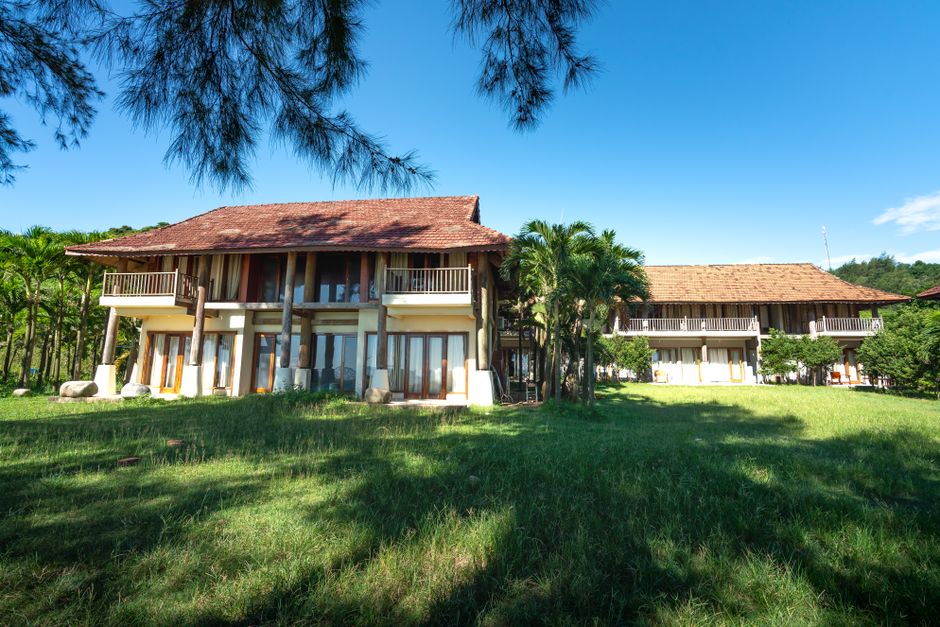
Honestly? If you want air conditioning, a flat-screen TV, and a pool with a swim-up bar, skip eco-boutique hotels. Go to the Westin in Playa Conchal. They have a nice beach, and you’ll get what you pay for.
But if you want to wake up to toucans, hike to a waterfall without a crowd, and sleep in a room that doesn’t leave a carbon footprint, then these hotels are your only choice. The tradeoff is simple: less luxury, more nature. Less convenience, more authenticity.
For families with kids under 10, skip Lapa Rios. The terrain is steep, the paths are muddy, and there’s no kids’ club. Go to El Silencio instead. They have family suites and a guided night walk that kids actually enjoy.
The Verdict: Which One Should You Book for 2026?
If you have the budget and want the full Costa Rica eco-experience, Lapa Rios Lodge is the best choice. It’s the gold standard for a reason: 100% solar, 95% local staff, and a private reserve that protects 1,000 acres of primary rainforest. You’ll see scarlet macaws, spider monkeys, and possibly a jaguar track. It’s not cheap—$480 per night minimum—but it’s worth every dollar.
If you’re on a tighter budget, Hotel Belmar in Monteverde is the smart pick. At $250 per night, you get real eco-credentials, a cloud forest location, and the best restaurant in town. No pool, no TV, but you won’t miss them.
For couples celebrating something, Nayara Tented Camp offers luxury without the guilt. The tents have plunge pools and king beds, but the property runs on 80% solar and recycles 100% of its greywater. It’s the compromise between eco and indulgence.
Book early. 2026 is shaping up to be a record year for Costa Rica tourism, and these boutique hotels have 12–20 rooms each. They sell out months in advance.