Why Norway’s Cliffs Are Unmissable for Adventure Seekers
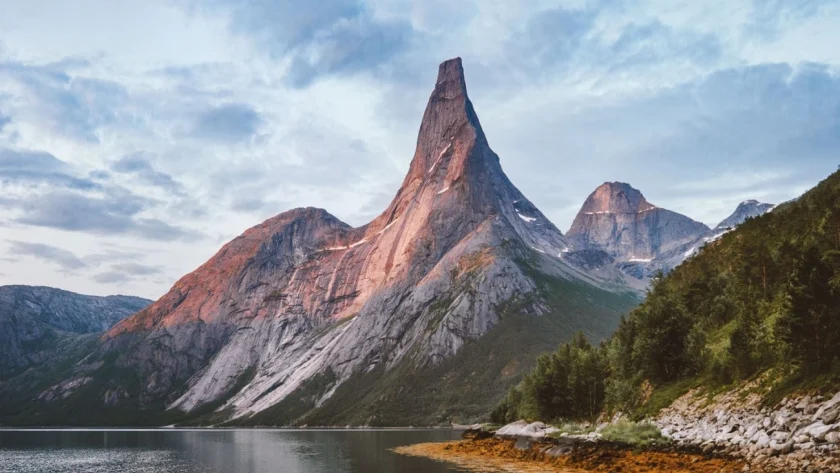
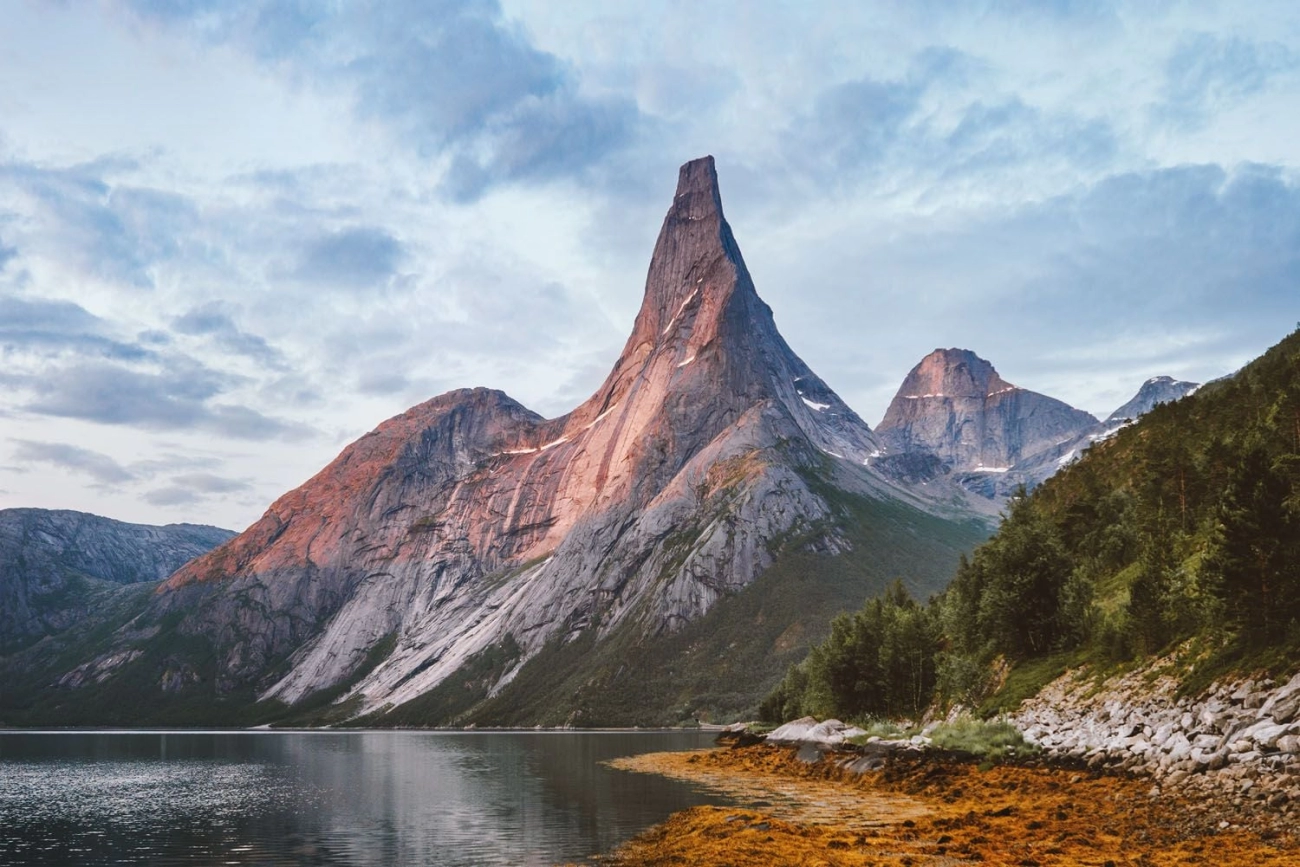
Norway’s cliffs are shaped by stunning glacial forces from the Ice Age, carving dramatic drop-offs and deep fjords that offer unmatched natural beauty. This glacial formation created iconic landmarks like the Trolltunga (Troll’s Tongue) and Preikestolen (Pulpit Rock), making Norway a top destination for cliff adventures.
What makes Norway’s fjord cliffs so special?
Feature
Description
Geological origin
Carved by glaciers, resulting in sheer cliffs and deep fjords
Accessibility
Well-marked trails and transport links to trailheads
Views
Panoramic vistas of fjords, mountains, and waterfalls
Adrenaline
Cliffs range from mild hikes to thrilling climbs and BASE jumping spots
Compared to global cliff destinations like the Cliffs of Moher or the Grand Canyon, Norway combines accessibility with jaw-dropping views and adventure, making it a bucket-list must for hikers and thrill-seekers worldwide.
Seasonal Highlights
Summer (June–September): Ideal hiking weather, long daylight hours, and lush landscapes.
Winter: Snow changes trail conditions; some routes close or require special gear—but the frozen fjords and snow-capped cliffs offer a striking, peaceful alternative for experienced adventurers.
Whether you’re after breathtaking views, heart-pounding hikes, or both, Norway’s cliffs serve up a unique blend of natural wonder and adrenaline-filled exploration.
Top Cliffside Adventures in Norway: Trolltunga (Troll’s Tongue)
Trolltunga, or Troll’s Tongue, is one of Norway’s most jaw-dropping cliffside spots. Located near the town of Odda in the Hardangerfjord region, this rock formation juts horizontally out from the mountain, offering stunning panoramic views over Ringedalsvatnet lake below. It’s become an iconic Norwegian hiking landmark and a must-do for adventure seekers.
The Trolltunga hike is challenging but rewarding: the round trip covers roughly 27 kilometers (about 17 miles) with an elevation gain of around 800 meters (2,600 feet). Most hikers spend 10-12 hours on the trail, so it requires good fitness and preparation. The trail cuts through varied terrain including alpine meadows, rocky paths, and streams.
Key highlights include the dramatic final viewpoint of Trolltunga itself, where you can snap incredible photos perched on the edge with breathtaking fjord views. To capture the best shots, arrive early in the day to avoid crowds and ensure softer, natural light.
Getting to Trolltunga is fairly accessible. The main starting point is Skjeggedal, where there is parking available, but spaces fill quickly during peak season. Many visitors opt for shuttle buses from Odda or Tyssedal to save time and hassle. Planning your trip during shoulder seasons like late spring or early autumn helps avoid the busiest periods while still enjoying good weather.
For anyone adding Trolltunga hike to their Norway bucket list hikes, remember to check trail conditions and gear up properly. You’re in for an unforgettable adventure above some of the most spectacular fjord cliffs in the world.
Top Cliffside Adventures in Norway: Preikestolen (Pulpit Rock)
Preikestolen, also known as Pulpit Rock, is one of Norway’s most famous cliffside adventures. Sitting high above Lysefjord, this massive flat plateau offers jaw-dropping views that make the hike well worth the effort. The trail to Preikestolen is about 8 kilometers round-trip, with an elevation gain of roughly 350 meters, and typically takes 4-5 hours depending on your pace.
This hike is great for families and casual hikers because it is relatively well-marked and maintained, with moderate difficulty. The path winds through beautiful forested areas before opening up to the stunning cliff edge where you can relax and soak in panoramic fjord views.
You can easily access Preikestolen from the city of Stavanger, either by car or by combining ferry rides on the scenic Lysefjord. Many visitors add ferry options to enjoy the fjord from the water or connect to nearby hikes for an extended adventure.
For the best experience, sunrise or sunset visits are highly recommended. These times offer softer lighting, cooler temperatures, and fewer crowds, making your photo opportunities even more magical. Just be sure to bring a headlamp if you plan early or late hikes.
Top Cliffside Adventures in Norway: Kjeragbolten (Kjerag Boulder)
Kjeragbolten, or the Kjerag Boulder, is one of Norway’s most iconic cliff challenges. This massive boulder is wedged firmly between two cliffs over 1,000 meters above the Lysefjord, making it a jaw-dropping photo spot for thrill-seekers.
The trail to Kjeragbolten is about 12 km round trip with an elevation gain of roughly 570 meters. It’s a moderately tough hike, featuring steep sections and rocky terrain that can demand a good level of fitness. The trek usually takes 6 to 8 hours depending on pace and weather. Be prepared for some scrambling near the summit, especially if you plan to step onto the boulder itself.
Kjerag is also famous for its adrenaline elements beyond hiking. It’s a hot spot for BASE jumpers who leap from the cliffs above Lysefjord, adding an extra edge to the area’s adventurous vibe. Always exercise caution, as the routes can be challenging and exposure to heights is significant.
Access to Kjeragbolten is possible either by road or by a scenic ferry cruise on the Lysefjord from Stavanger. Many hikers combine this trek with Preikestolen (Pulpit Rock) in one trip since both are in the same region and offer incredible fjord views. Combining them lets you experience two of Norway’s top fjord cliff hikes efficiently.
If you want a truly memorable adventure on Norway fjord cliffs, Kjeragbolten is hard to beat—with stunning views and a pulse-raising highlight on every step.
For those planning the logistics, check options for Lysefjord ferry timetables to maximize your visit and consider local transport choices for smooth access.
Other Notable Cliffside Experiences in Norway
Beyond the famous Trolltunga, Preikestolen, and Kjeragbolten, Norway offers plenty of other thrilling cliffside adventures. If you’re looking for something a bit different, consider the via ferrata routes like the one at Hornelen, the highest sea cliff in Europe. These iron path climbs provide an adrenaline rush with secured ladders and cables, perfect for those wanting a mix of hiking and climbing.
For a truly unique experience, try cliff camping or portaledge stays. Spending a night suspended on a cliff face gives a whole new meaning to outdoor adventure and stunning Norwegian scenery. Just remember to be fully prepared and experienced if you opt for this.
If you prefer to admire the cliffs from below, fjord kayaking or cruises are fantastic options. Paddling through the calm waters beneath towering Norwegian fjord cliffs offers close-up views and peace away from the busy trails. For fewer crowds, explore lesser-known fjords and cliffside locations around Hardangerfjord or even further north.
These alternative cliffside adventures showcase Norway’s diverse outdoor offerings and help escape the busiest spots while still soaking up incredible views and thrills.
For planning tips and gear advice, check out guides on why merino wool is perfect for outdoor activities, ensuring you’re comfortable in Norway’s changing weather conditions.
Planning Your Cliffside Adventure Trip
For a fulfilling Norway cliffside adventure, plan a 5 to 7-day itinerary covering the big three hikes: Trolltunga, Preikestolen, and Kjeragbolten. This timeframe gives you enough room to enjoy each trail without rushing, soak in Lysefjord views, and explore nearby fjord cliffs.
Transportation
Fly into Stavanger for easy access to Preikestolen and Kjeragbolten, or Bergen if you’re focusing on other fjord areas. Renting a car offers the most flexibility for reaching trailheads like Odda for Trolltunga or driving between locations. Public transport is available but can be less convenient, especially for early starts or remote access points.
Accommodation
Look for lodgings near trailheads — both Odda and Stavanger have a range of hotels, guesthouses, and cabins. Booking early during peak season helps secure spots close to the starting points, saving travel time before dawn hikes or sunset visits.
Guided Tours vs. Independent Hiking
Guided tours can be ideal for first-timers or those wanting expert insights on Norway fjord cliffs, safety, and local culture. However, many experienced hikers prefer independent trips to maintain their own pace and immerse fully in the landscape.
By combining efficient travel, smart accommodation choices, and clear plans, your Norway cliffside adventure will be memorable and smooth. For detailed packing and preparation tips, check out this essential guide on how to prepare for your outdoor journey.
Essential Preparation and Safety Tips
When tackling cliffside adventures in Norway like the Trolltunga hike or the Preikestolen Norway trail, being well-prepared is key for a safe and enjoyable experience. Here’s what you need to know:
Required Gear and Packing List
Sturdy hiking boots with good grip for uneven, sometimes slippery terrain.
Weather-appropriate clothing: Layers, waterproof jackets, and thermal wear for sudden changes.
Backpack essentials: Water (at least 2 liters), snacks, a first-aid kit, map or GPS device, and a fully charged phone.
Sun protection: Sunglasses and sunscreen, even in cooler months.
For longer hikes like Troll’s Tongue trail or Kjeragbolten boulder, include trekking poles and extra warm clothing.
Fitness Requirements and Weather Considerations
Norway’s fjord cliff hikes vary in difficulty, so physical fitness is important. Trails like Trolltunga and Kjerag involve long distances and steep elevations, so prepare with cardio and leg-strength workouts. Also, check the weather forecast carefully — Norway’s conditions can shift fast, especially in shoulder and winter seasons, affecting trail safety.
Safety Guidelines
Stay on marked trails to avoid accidents and protect fragile environments.
Manage crowds wisely: Start early in the day to avoid peak times and reduce risks on narrow paths.
Familiarize yourself with emergency protocols: Know local emergency numbers and nearest help points.
If you’re new to Norway fjord cliffs or hiking generally, consider guided tours for expert support.
Environmental Responsibility
Respect the pristine nature by following Leave No Trace principles:
Pack out all litter.
Avoid disturbing wildlife.
Camp only in designated areas when cliff camping or portaledge stays are involved.
Being prepared and cautious ensures you enjoy these Norwegian hiking icons safely while preserving their magic for others.
For more tips on outdoor adventure preparation, check out detailed guides like this one on the best places to hike safely.
Best Time to Go and Practical Advice
The best time to experience cliffside adventures in Norway, like the Trolltunga hike or Preikestolen Norway trek, is generally from June to September. This peak season offers longer daylight hours, more stable weather, and fully accessible trails. However, expect larger crowds at popular spots like Kjeragbolten boulder and Pulpit Rock adventure, especially in July and August.
Peak Season Pros and Cons:
Pros:
Ideal weather for hiking and fjord views
All facilities, shuttles, and guided tours available
Access to ferry services on Lysefjord for combined trips
Cons:
Busy trails and parking areas (especially Odda Trolltunga)
Higher accommodation prices near trailheads
Need to book early to avoid sold-out spots
Shoulder Season Benefits (May and September-October):
Fewer crowds for a more peaceful experience
Cooler temperatures, good for hiking if you prefer less heat
Lower prices on lodging and transport
Some trail restrictions might apply early or late in the season, so check ahead
Budget Tips and Cost Breakdown:
Accommodation: Consider camping or guesthouses near Stavanger Preikestolen and Odda Trolltunga for savings
Transport: Renting a car offers flexibility for reaching remote fjord cliffs but public transport and shuttles reduce costs
Tours: Guided hikes add comfort and safety but compare prices; some do-it-yourself routes are well-marked and budget-friendly
Food: Pack snacks or meals for the trail to avoid pricey stops
Photography and Social Media Guidance:
Early morning or late afternoon light gives the best photos of Norway fjord cliffs
Sunrise visits to Preikestolen or sunset at Trolltunga provide stunning colour contrast
Use wide-angle lenses or phones with panorama mode for expansive Lysefjord views
Share responsibly: respect other hikers and local nature by not disturbing the environment when capturing images
Tag locations correctly (e.g., #Kjeragbolten, #NorwayFjordCliffs) to connect with other adventure seekers
Planning your trip around these timing and budgeting pointers ensures you get the best experience and memorable photos from Norway’s iconic cliff adventures.
FAQs on Cliffside Adventures in Norway
How hard are the Trolltunga, Preikestolen, and Kjeragbolten hikes?
Trolltunga is the most challenging, with a long 22 km round trip and steep elevation. Preikestolen is more family-friendly, about 8 km round trip and well-marked. Kjeragbolten sits in the middle, with some steep parts and rough terrain, so a decent fitness level is needed for all three.
Do I need permits for these hikes?
No special permits are required for Trolltunga, Preikestolen, or Kjeragbolten. However, some nearby via ferrata routes or private accommodations like cliff camping might need bookings in advance.
When is the best time to avoid crowds?
Early mornings or late afternoons during June to September help beat the crowds, especially at Preikestolen and Trolltunga. Visiting in shoulder seasons like May or October means fewer people but keep in mind weather changes.
Can I combine multiple cliff hikes in one trip?
Yes, it’s common to combine Preikestolen and Kjeragbolten in a 3-4 day itinerary. Trolltunga, located near Odda, is a bit further but can be added with a 5-7 day plan including the main fjord cliffs.
What transport options work best?
Flying into Stavanger (for Preikestolen & Kjeragbolten) or Bergen (for Trolltunga) is easiest. Renting a car offers flexibility, but public buses and ferries like Lysefjord cruises also connect many trailheads.
Are there safety concerns on these hikes?
Always stay on marked trails, watch out on steep sections, and avoid cliff edges during bad weather. For Kjeragbolten, some sections require careful footing. Never attempt BASE jumping unless you’re a certified pro.
Tips for photographers?
Visit early or late for soft light and fewer people. For Trolltunga and Preikestolen, the plateau views over Norwegian fjords are perfect for wide angles. Drones are popular but check local restrictions first.
Is there accommodation near the trails?
Yes, towns like Odda and Stavanger offer guesthouses and hotels near trailheads. Camping spots exist too but respect local rules and Leave No Trace principles.
These FAQs cover the basics for your Norway fjord cliffs adventure, helping plan a smooth and safe trip to these iconic Norwegian hiking icons.