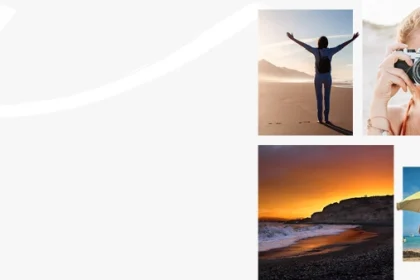
Looking for hidden beaches Europe offers a stunning mix of natural beauty and peaceful escapes. These secret coastal spots share some common traits: think crystal-clear waters, dramatic cliffs, and soft fine sands or smooth pebbles. Unlike crowded tourist hubs, these secluded shores usually have minimal development, providing a quiet, almost untouched vibe that lets you truly connect with nature.
But Europe’s remote beaches vary widely depending on the region. The Mediterranean warmth brings sun-soaked coves with turquoise waters and rugged rock formations. In contrast, the Atlantic wildness delivers powerful waves, jagged cliffs, and a more untamed atmosphere. Up north, the Baltic serenity offers calmer waters, cooler temperatures, and peaceful sandy stretches perfect for reflection.
Before you head out, pack smart to fully enjoy these off-the-beaten-path beaches:
Sturdy shoes for hiking rugged trails and rocky access points
Snorkel gear to explore underwater life in crystal-clear coves
Eco-friendly essentials like reusable water bottles and biodegradable sunscreen to protect these pristine hidden beaches
Light layers for sudden changes in coastal weather
Are you ready to discover some of Europe’s best-hidden gems and quieter coastal escapes?
Top Secluded Beaches by Region
Mediterranean Greece
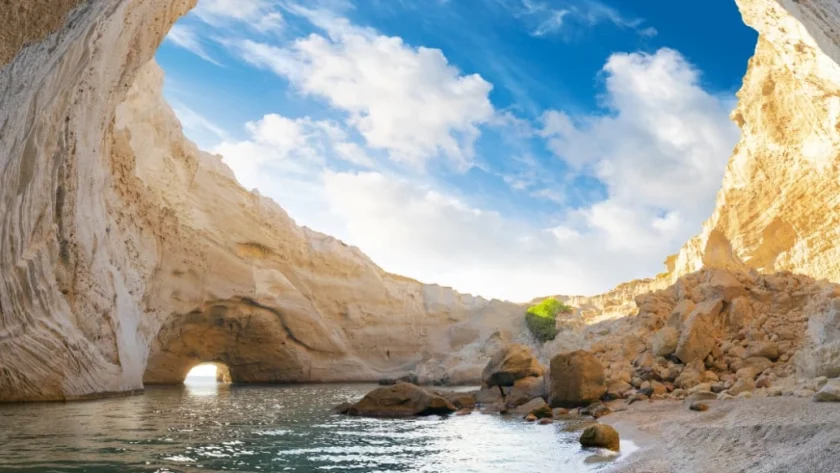
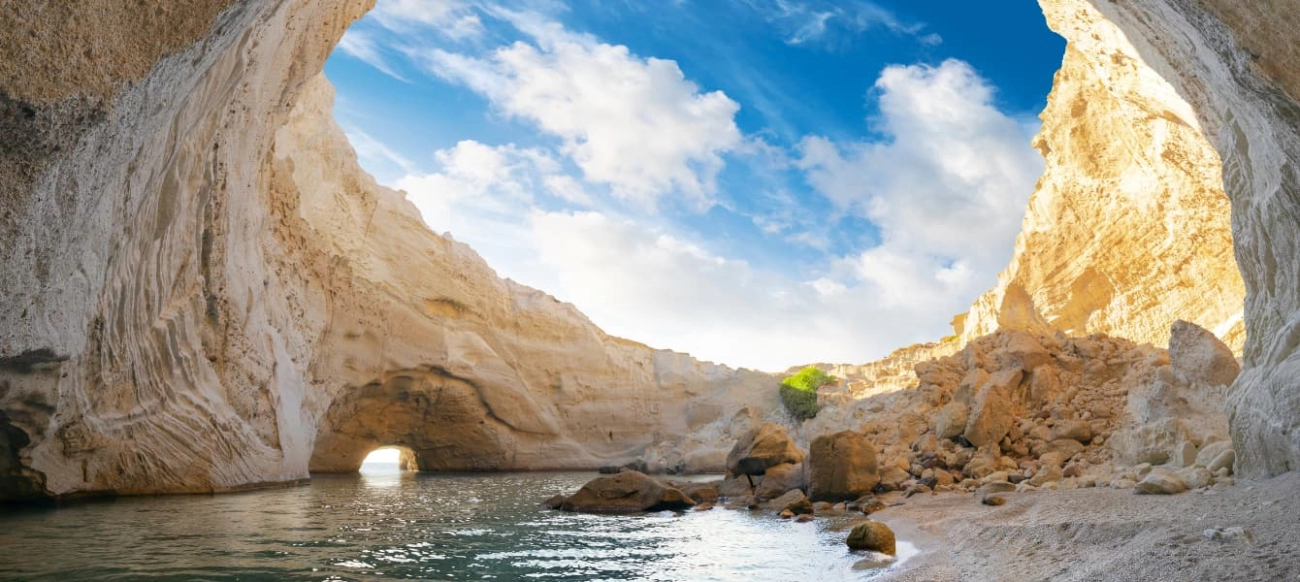
Greece is packed with remote beaches that blend stunning nature with quiet charm. Tsigrado Beach in Milos requires climbing down a ladder but rewards visitors with sea caves and excellent snorkeling in crystal-clear waters. Fteri Beach on Kefalonia offers white pebbles and turquoise waves, accessible via a scenic hike or boat ride. For those wanting a wild, untouched spot, Seychelles Beach on Ikaria features dramatic rocky landscapes reached by a remote trail, perfect for adventurous travelers seeking less crowded shores.
Italy and Islands
Italy’s hidden gems include Cala dei Gabbiani in Sardinia, a pristine cove best reached by boat or a challenging hike. Spiaggia di Piscinas on Costa Verde is famous for its vast dunes and wild vibe, appealing to those after raw, natural beaches. In Calanques National Park, Calanque d’En Vau stands out with its cliff-framed inlet and hiking access, combining dramatic scenery with a peaceful atmosphere.
Croatia and Adriatic
Croatia’s secluded shores are ideal for off-the-beaten-path beach lovers. Pasjača Beach near Konavle is reached via a tunnel and steep path descent, revealing a gravel shore that feels untouched. Stiniva Cove on Vis is accessible only by boat and offers an enclosed bay that’s perfect for a quiet swim. Mljet’s Saplunara Beaches provide sandy bays inside a national park, blending natural beauty with tranquility.
Portugal and Atlantic Coast
Along Portugal’s coast, Praia da Ursa in Sintra is a rugged paradise reached by a cliff path, known for its wild waves and dramatic solitude. Odeceixe Beach in Alentejo is a unique spot where river waters meet the sea—popular with surfers yet less crowded. The Madeira Islands add volcanic charm with black-sand coves and striking volcanic landscapes, offering a very different vibe from the mainland’s typical sandy bays.
Spain and Balearics
Spain hides some true hidden gems like Playa del Silencio in Asturias, famous for its crescent shell shape nestled between cliffs. Cala Macarella in Menorca is a pine-fringed beach accessible by boat or foot, offering crystal-clear waters and peaceful surroundings. Playa de Gulpiyuri in Asturias is a rare inland tidal beach with a unique formation, giving beachgoers a one-of-a-kind experience away from the crowds.
France and Corsica
France’s lesser-known coastal spots include Saleccia Beach in Corsica, reachable only by 4×4 or boat, known for its white sands and pure nature. Plage Mala on the French Riviera is a hidden cove tucked close to Monaco, perfect for a secluded escape near the glamour. Nonza Beach on Corsica stands out for its black pebbles and dramatic cliffs, giving a truly raw coastal backdrop.
Emerging and Northern Spots
For those looking for quieter, less explored places, Mirror Beach (Mirore) in Albania offers untouched Adriatic shingle shores, ideal for solitude seekers. Golden Beach on Cyprus’s Karpas Peninsula is known for its dunes and turtle nesting, an eco-conscious traveler’s dream. Up north, the Danish Riviera beaches offer cooler Baltic sands, perfect for refreshing, crowdfree coastal escapes.
For more hidden treasures along the Mediterranean, check out insights on top hidden beaches in the Mediterranean to expand your list of secret coves and remote beaches.
How to Reach and Enjoy These Beaches
Getting to Europe’s secluded shores often means choosing adventurous access methods like hiking trails, boat taxis, 4×4 drives, or even kayaking. Many hidden beaches require a bit of effort to reach, which helps keep them peaceful and crowdfree. For example, some of the secret coves in the Mediterranean are best approached by boat or on foot, while remote beaches along the Atlantic coast might call for rugged hikes or off-road drives.
To experience these quiet beaches at their best, plan your visit during the shoulder seasons of May-June or September-October. This timing offers pleasant weather and fewer tourists, ensuring you can fully enjoy these pristine hidden beaches without crowds.
Once there, there’s plenty to do beyond just soaking up the sun. Popular activities include snorkeling in crystal-clear waters, hiking along dramatic cliffs or coastal paths, wildlife spotting, or capturing stunning landscapes through photography. Preparing for your trip with the right gear, such as sturdy shoes for hikes and snorkel equipment, will help you make the most of your adventure on Europe’s secret sandy bays. For more tips on preparation, consider checking out detailed advice on how to prepare for your beach getaway.
Practical Travel Tips for Europe’s Secluded Beaches
Getting to Europe’s hidden beaches is easier than you might think, but planning ahead helps you make the most of your trip. Here are some practical travel tips for navigating these secret coves and remote beaches.
Transportation Options Across Europe
Flights: Major hubs like Athens, Rome, Barcelona, and Lisbon connect you quickly to the regions hosting these secluded shores. Low-cost carriers can take you closer to quieter spots, especially in Greece, Spain, and Portugal.
Ferries: Many remote island coves, particularly in Greece and Croatia, are best reached by ferry. Book in advance during peak seasons to avoid missing out on these crowdfree beaches.
Car Rentals: Renting a car gives you the freedom to explore off-the-beaten-path beaches along the Atlantic coast or the lesser-known bays of Italy. Some remote spots require 4×4 vehicles, so check access needs beforehand.
Accommodation Nearby
To stay close to pristine hidden beaches without losing their tranquility:
Eco-lodges: These are perfect for environmentally conscious travelers looking to support sustainable tourism near Europe’s secret sandy bays.
Apartments and Guesthouses: Family-run stays often provide a personal touch and insider knowledge about uncrowded locations.
Camping: Many secluded coastal spots allow camping or have nearby campgrounds, offering a back-to-nature experience with unparalleled beach access.
Sustainability Tips
Respecting the environment and local communities is essential when visiting Europe’s secluded beaches:
Leave No Trace: Pack out everything you bring in, avoid disturbing wildlife, and stick to marked trails.
Respect Protected Areas: Some of these quiet beaches lie within national parks or conservation zones; follow all local guidelines.
Support Local Communities: Choose local businesses and guides to help sustain the economies of these often remote coastal spots.