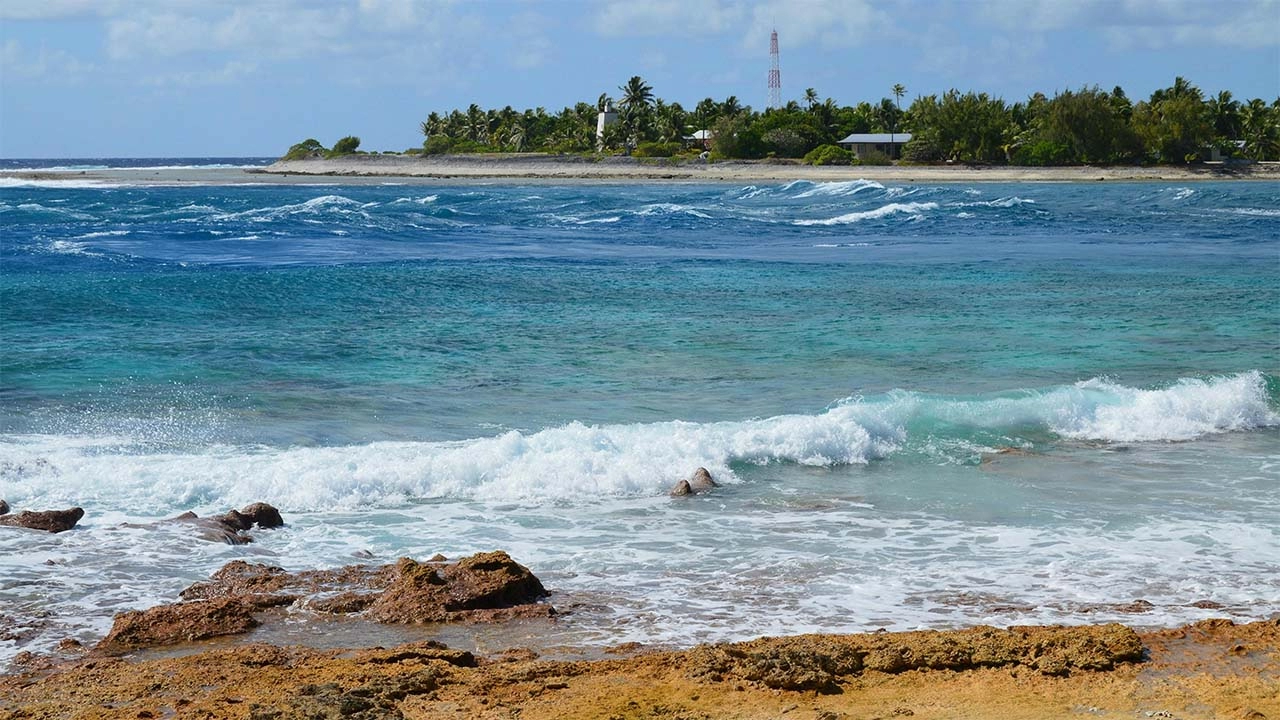
Nauru’s Coastal History: A Quick Background
Nauru’s shores hold stories that stretch far back, starting from the pre-colonial era when indigenous communities first settled along the coastline. The island’s natural harbors and rich marine life shaped early shoreline life, with locals relying on fishing and gathering from the vibrant reefs and beaches. This intimate connection to the sea remains a vital part of Nauru’s cultural heritage.
With colonialism came dramatic changes, especially due to phosphate mining. Coastal landscapes were altered as mining operations expanded, leaving visible marks like phosphate cantilevers reaching into the ocean. These remnants tell a story of economic boom and environmental challenge that still influences Nauru’s shores today.
During World War II, Nauru’s strategic location turned its beaches into military fronts. The Japanese occupation fortified the coastline with bunkers, guns, and tunnels, many of which still dot the shores as silent witnesses of the island’s wartime past. These WWII relics enrich Nauru’s coastal attractions, blending history with natural beauty.
Today, the combined layers of indigenous heritage, colonial impact, and wartime legacy shape Nauru’s pristine beaches and bays. Walking along these shores, you’re not just enjoying picturesque views—you’re tracing the island’s unique journey through time.
Top Historical Gems Along Nauru’s Shores
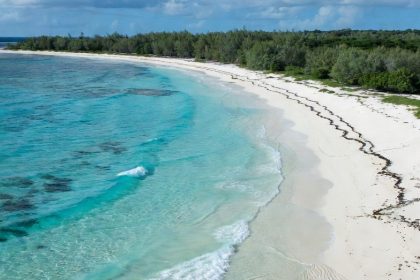
Nauru’s coastline is dotted with fascinating historical gems that tell stories from its past. Anibare Bay offers pristine white sands perfect for relaxing and snorkeling over coral reefs connected to historical maritime activity. Nearby, you can spot several WWII landmarks, linking the bay to the island’s wartime defenses and seafaring heritage.
At Command Ridge and surrounding coastal lookouts, you get panoramic views from Nauru’s highest point. This spot is well-known for its Japanese WWII bunkers, guns, and tunnel systems that once guarded the island’s shores, giving you a direct glimpse into Pacific island WWII history.
Along the beaches and ring road shores, Japanese WWII relics are scattered—pillboxes, cannons, and artillery remain as silent reminders of the occupation period. For those interested in how history and daily life intertwined, Anibare Harbour and nearby sites reveal man-made protections that supported both local fishing traditions and wartime activities.
The Aiwo District shores feature prominent remnants of Nauru’s phosphate mining era, including abandoned cantilevers extending into the sea. These structures represent the island’s economic history and its impact on the coastal landscape.
Lastly, don’t miss the hidden coastal caves and limestone rock formations near various beaches. These natural features hold ancient cultural significance, connecting Nauru’s indigenous roots to its shoreline environment.
For travelers keen on exploring off-the-beaten-path Nauru coastal attractions, these historical sites provide both rich stories and unforgettable views. They also tie into wider historical themes seen across other notable sites, such as the historic beaches of Turkey, blending natural beauty with deep-rooted history.
Exploring Inland Gems Connected to the Shores
Beyond Nauru’s stunning coastline, several inland historical gems offer a unique glimpse into the island’s natural and cultural heritage, all easily reached via coastal routes.
Buada Lagoon is a refreshing freshwater oasis tucked close to the shores, surrounded by lush vegetation that reflects the island’s pre-colonial landscape. It’s a vital habitat for local birdlife and holds historical significance as a long-standing community resource in Nauru’s coastal life.
Nearby, the Moqua Caves and Well provide a fascinating underground escape with deep geological roots and cultural history. These caves, accessible from coastal roads, have been important to Nauruans for centuries, offering shelter and fresh water. Exploring these caves reveals ancient ties to the island’s indigenous past, blending natural wonder with heritage.
Further inland, the Central Plateau, known locally as Topside, presents striking views resembling a lunar landscape—a direct result of phosphate mining’s impact. From coastal drives around Nauru, you can see these vast mined scars that tell the story of economic history linked closely to the island’s shorelines.
These inland sites complement the coastal attractions, enriching any visit to Nauru with a blend of natural beauty and layered history. For a similar mix of scenic drives and historical views along coastlines, travelers often explore scenic drives along Irish shores, which offer inspiring ways to connect land and sea heritage.
Practical Guide to Visiting These Historical Gems
When planning your trip to explore Nauru’s historical gems along the coast, timing and preparation make all the difference.
Best Time to Visit
The dry season is the ideal period for clear coastal exploration, offering calm seas and sunny skies—perfect for seeing WWII relics along Nauru beaches and enjoying pristine spots like Anibare Bay history areas.
Getting Around
Most sites are accessible via Nauru’s ring road, making scenic drives a simple way to uncover cultural shoreline sites. For hidden or off-the-beaten-path gems like Moqua Caves Nauru shores or Japanese guns Nauru coast installations, teaming up with local guides is highly recommended. They provide insight and access to less obvious spots while ensuring safety.
Safety and Etiquette
Many historical sites are near private land, so always seek permission and respect local property. Be cautious of strong currents on some beaches, especially if you’re snorkeling at Anibare Bay or near old phosphate mining remnants shoreline. Guided tours offer extra safety when visiting World War II bunkers Pacific relics and other fragile sites.
Combining History with Activities
Mix your historical discovery with fun activities such as snorkeling over coral reefs tied to maritime history, hiking to Command Ridge Nauru for panoramic views, or photography along Nauru’s coastal attractions. This blend enriches your visit and deepens understanding of the island’s past.
For more ideas on combining sightseeing with outdoor activities, check out similar coastal explorations in top activities along the African coast, offering a fresh perspective on historic shorelines worldwide.
Preservation and Responsible Tourism
Nauru’s coastal historical gems face growing challenges from environmental damage, mainly due to past phosphate mining and the ongoing effects of climate change. Mining has left scars on the shoreline, threatening fragile ecosystems and historical sites like phosphate mining remnants along the shores. Rising sea levels and stronger storms also put WWII relics and cultural shoreline sites at risk, accelerating erosion and habitat loss.
Visitors can play a key role in protecting these valuable sites by supporting local guides who understand the island’s history and environment. Sustainable tourism practices—such as sticking to marked paths, avoiding disturbance of hidden historical sites, and respecting local customs—help keep these coastal treasures intact. By choosing eco-friendly tours and learning about Nauru’s unique Pacific island WWII history and cultural heritage, travelers contribute directly to conservation efforts and the island’s long-term preservation.
Promoting responsible tourism ensures that Nauru’s pristine beaches history and WWII relics on Nauru beaches remain for future generations to explore and appreciate.