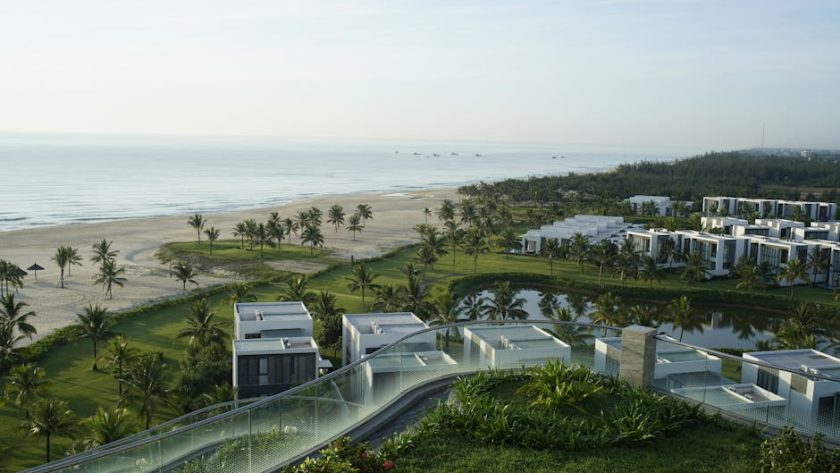
Selecting a high-end property in Mexico requires an understanding of the diverging hospitality philosophies found between the Pacific and Caribbean coasts. If you seek immediate recommendations, the data suggests that for architectural seclusion and lagoon-based privacy, Rosewood Mayakoba remains the standard-bearer in the Riviera Maya. Conversely, for those prioritizing dramatic topography and service-to-guest ratios that often exceed three-to-one, One&Only Palmilla in Los Cabos continues to dominate the Baja Peninsula. The Mexican luxury market has shifted significantly over the last decade, moving away from traditional all-inclusive models toward a European Plan (EP) structure that emphasizes bespoke culinary experiences and deep architectural integration with the local environment.
Defining the Mexican Luxury Resort Landscape
The evolution of Mexican hospitality has created a tiered system where ‘luxury’ is no longer a monolithic term. To evaluate these properties effectively, one must distinguish between the four primary archetypes currently dominating the market: the Grand Dame (historic, service-heavy), the Eco-Modernist (architecturally integrated), the Wellness Sanctuary (focused on longevity and ritual), and the Ultra-Boutique (limited keys, high privacy). The distinction matters because a traveler seeking the social energy of a Cabo beach club will find the austere silence of a Yucatecan jungle retreat unsatisfying, regardless of the price point.
Service standards in Mexico are among the highest globally, often characterized by the ‘butler’ or ‘ambassador’ system. In top-tier resorts, this is not merely a marketing term. These staff members manage everything from unpacking luggage to coordinating off-site excursions and securing difficult dining reservations. When analyzing the cost-to-value ratio, the inclusion of these services often justifies the $1,500+ nightly rates. Furthermore, the geographical diversity of the country means that ‘luxury’ in the desert of Los Cabos involves sophisticated water desalination and infinity pools that blend into the Sea of Cortez, while in the Riviera Maya, it involves the preservation of mangroves and underground river systems (cenotes).
Current data indicates a surge in ‘Residences’ within resort footprints. Many of the properties discussed below offer multi-bedroom villas that function as private homes but retain full access to resort amenities. This trend caters to the growing demand for multigenerational travel where privacy is the primary luxury. Understanding these nuances is the first step in selecting a property that aligns with specific logistical needs and aesthetic preferences.
Top Luxury Resorts in Los Cabos and Baja California Sur
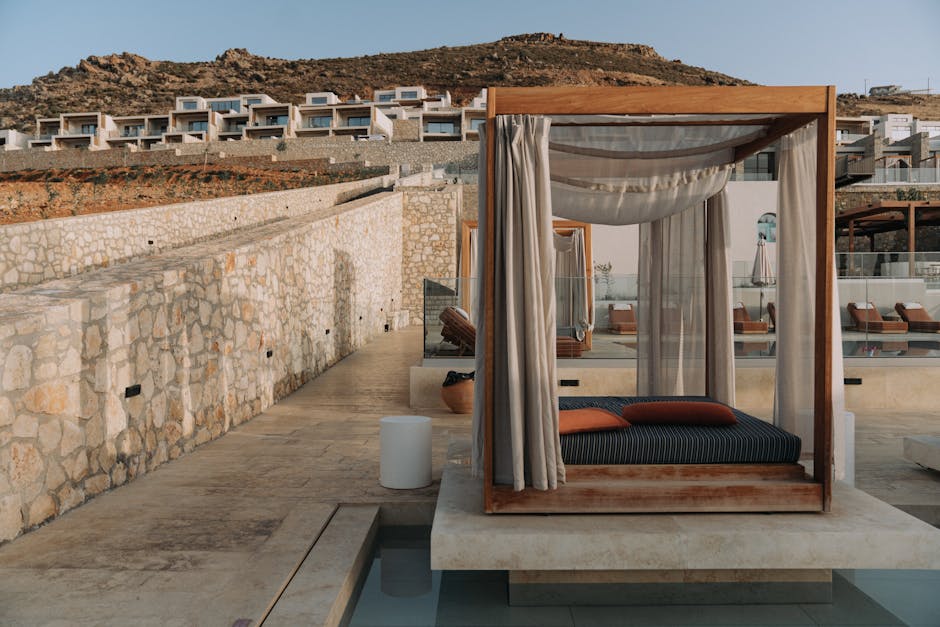
Los Cabos has established itself as the most expensive luxury market in Mexico. The region’s unique ‘desert-meets-sea’ geography provides a stark backdrop for some of the world’s most ambitious hospitality projects. The focus here is often on the ‘Golden Corridor’—the stretch of highway between Cabo San Lucas and San José del Cabo.
One&Only Palmilla
Originally built in 1956 as a 15-room hideaway for the President of Mexico, this property has evolved into a 174-room icon. It remains one of the few resorts in the region with a swimmable beach, a rarity in Cabo due to strong undertows. Approximate Price: $1,200 – $4,500 per night. Pro: Unmatched historical prestige and one of the best service teams in North America. Con: On-site dining is exceptionally expensive, even by luxury standards.
Zadún, a Ritz-Carlton Reserve
Located in the Puerto Los Cabos area, Zadún is part of the elite ‘Reserve’ tier of Ritz-Carlton properties, which focuses on human connection and cultural immersion. The resort features 115 rooms, suites, and villas, all of which come with a dedicated ‘Tosoani’ (private attendant). Approximate Price: $1,100 – $3,800 per night. Pro: Modern, desert-inspired architecture with massive outdoor living spaces. Con: The beach is not swimmable, requiring guests to rely on the stunning pool complexes.
Four Seasons Resort Los Cabos at Costa Palmas
Situated on the East Cape, about 45 minutes from the main Cabo corridor, this resort offers a different experience of the Sea of Cortez. The water here is calm, clear, and swimmable, resembling the Caribbean more than the Pacific. Approximate Price: $1,000 – $5,000 per night. Pro: Access to a private marina and incredibly calm waters. Con: Isolated location means you are largely ‘trapped’ on property for the duration of your stay.
| Resort Name | Region | Vibe | Swimmable Beach? |
|---|---|---|---|
| One&Only Palmilla | Los Cabos | Classic/Glamorous | Yes |
| Zadún | Los Cabos | Modern/Artistic | No |
| Four Seasons Costa Palmas | East Cape | Sleek/Secluded | Yes |
Premier High-End Stays in the Riviera Maya and Caribbean Coast
The Caribbean side of Mexico offers a different sensory experience: turquoise waters, white sand, and dense tropical jungle. The luxury market here is centered around the Riviera Maya, stretching from Cancun south to Tulum. Unlike the open vistas of Cabo, many resorts here are tucked away in private gated communities or vast estates.
Rosewood Mayakoba
Set within the 620-acre Mayakoba complex, this resort is famous for its winding lagoons. Guests often arrive at their suites via electric boat. Every room is a suite, and every suite has a private plunge pool. Approximate Price: $1,100 – $4,000 per night. Pro: Exceptional privacy and a unique lagoon-based layout that feels worlds away from the typical beach resort. Con: The Mayakoba complex is large; getting between different areas (beach vs. lagoon) requires golf carts or bikes.
Hotel Esencia
Originally the private estate of an Italian duchess, Hotel Esencia is located on Xpu-Ha beach, widely considered the finest stretch of sand in the region. It is a boutique property that avoids the ‘corporate’ feel of larger luxury chains. Approximate Price: $900 – $3,500 per night. Pro: Aristocratic residential feel and incredible attention to detail in design. Con: Smaller gym and spa facilities compared to the mega-resorts.
Belmond Maroma Resort & Spa
After a massive multi-year renovation, Belmond Maroma has reopened as a masterclass in Mexican craftsmanship. The resort uses local materials—sourcing over 80% of its furniture and decor from Mexican artisans. Approximate Price: $1,000 – $3,000 per night. Pro: Deep cultural authenticity and a world-class spa focused on Mayan healing rituals. Con: The proximity to other resorts on the beach can occasionally diminish the sense of total isolation.
The Riviera Maya is currently experiencing significant infrastructure changes, including the opening of the Tulum International Airport (TQO) and the Maya Train. While these improve access, travelers seeking total seclusion should verify if their chosen resort is impacted by nearby construction or increased flight paths.
Exclusive Boutique and Wellness Retreats in the Mexican Interior and Pacific
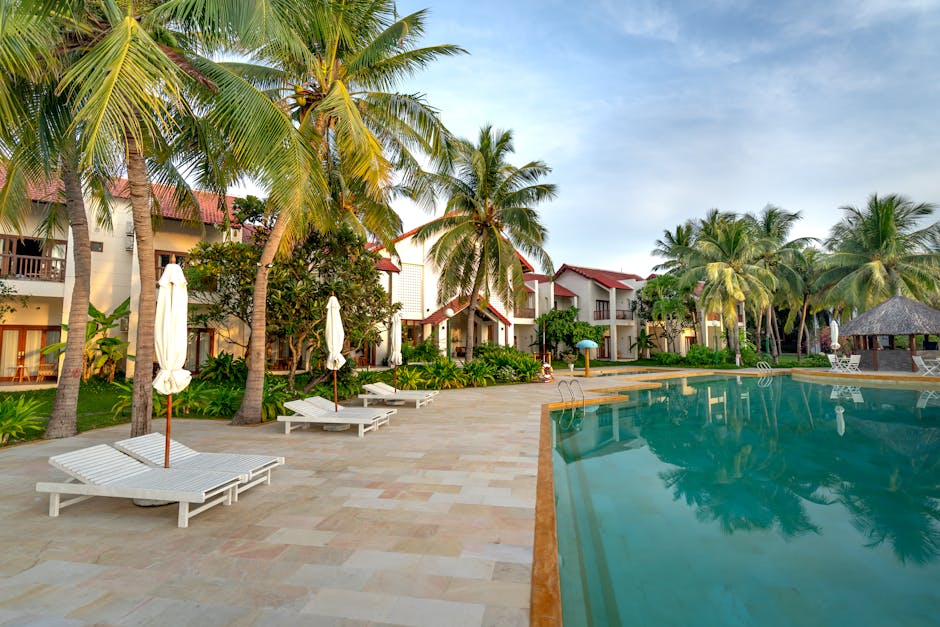
Beyond the major hubs of Cabo and Cancun, Mexico offers specialized luxury experiences that focus on wellness, history, and radical privacy. These properties often cater to the ‘quiet luxury’ segment, where the value is found in the rarity of the experience rather than the scale of the amenities.
Naviva, A Four Seasons Resort (Punta Mita)
This is an ultra-exclusive, adults-only tented camp located in the forests of Punta Mita. With only 15 luxury tents, it is one of the smallest footprints of any major luxury brand. It operates on an all-encompassing model that includes all meals, drinks, and many spa treatments. Approximate Price: $3,500+ per night. Pro: Unrivaled privacy and a ‘nature-first’ philosophy that is rare in Mexico. Con: Extremely high entry price and limited social interaction for those who enjoy a lively atmosphere.
Chablé Yucatán
Located in the heart of the Yucatán jungle near Mérida, this resort is built around a private cenote on the grounds of a restored 19th-century henequen hacienda. It has consistently been ranked as one of the best hotels in the world for its design. Approximate Price: $800 – $2,500 per night. Pro: Stunning integration of colonial history and modern architecture; world-leading spa. Con: It is inland, meaning no beach access, and requires a flight to Mérida or a long drive from Cancun.
Four Seasons Resort Tamarindo
Located on a private 3,000-acre nature reserve on the ‘Costalegre’ (Happy Coast) between Puerto Vallarta and Manzanillo, this is perhaps the most ambitious opening in recent years. Only 2% of the land will ever be developed. Approximate Price: $1,100 – $4,000 per night. Pro: Absolute isolation in a pristine natural environment with three private beaches. Con: Very difficult to reach; involves a long drive from Manzanillo airport or a private charter.
Comparing Value, Seasonality, and Service Standards Across Regions
The financial commitment required for these resorts necessitates a strategic approach to booking. Mexico’s luxury market is highly seasonal, with prices fluctuating by as much as 100% depending on the month. Understanding the ‘why’ behind these price shifts can help travelers maximize their experience.
High Season vs. Low Season Dynamics
The peak period for all Mexican luxury resorts is from mid-December through April. During this time, weather is most predictable—dry and temperate. However, this is also when resorts operate at 90%+ capacity, and service can occasionally feel stretched. The ‘shoulder’ seasons of May-June and October-November offer a compelling middle ground: lower rates (often 30-40% off peak) and fewer crowds, though the heat and humidity increase significantly.
The Hidden Costs of Luxury Stays
When budgeting for these properties, the room rate is rarely the final cost. In Mexico, it is standard for high-end resorts to add a 15% service charge and a 16% VAT (IVA), plus a 3-5% local lodging tax. This can add nearly 35% to the base bill. Furthermore, because many of these resorts are isolated, guests are often ‘captive’ to the on-site restaurants. A dinner for two at a resort like One&Only Palmilla or Rosewood Mayakoba can easily exceed $400 without heavy alcohol consumption. It is advisable to look for ‘Resort Credit’ promotions or breakfast-inclusive rates to mitigate these secondary costs.
Service Expectations and Gratuity
While a service charge is often included in the bill, it is customary to tip individual staff members who provide exceptional service, such as your private butler or pool attendants. In the ultra-luxury segment, a tip of $20–$50 per day for a butler is standard, depending on the level of complexity of your requests. This ensures a level of attention that goes beyond the standard protocol. Most properties also offer ‘pre-arrival’ concierges; utilizing these individuals to map out your itinerary at least 30 days in advance is the most effective way to ensure access to the best spa times and dining tables.
Ultimately, the ‘best’ resort is a function of your tolerance for travel time and your preference for environment. Los Cabos offers a high-energy, sophisticated desert vibe with world-class golf. The Riviera Maya provides a lush, jungle-shrouded escape with deep cultural roots. For those willing to venture further afield to places like Tamarindo or the Yucatecan interior, the reward is a level of privacy and natural immersion that the more developed corridors can no longer provide.