
Are you wondering if that famous Hong Kong mist will actually hide the 34-meter-tall bronze statue before you even reach the top of the 268 stairs? It is a valid concern for anyone planning a trek to Lantau Island. The Tian Tan Buddha, colloquially known as the Big Buddha, sits atop Mount Muk Yue, nearly 500 meters above sea level. This elevation creates a micro-climate that can differ wildly from the humid streets of Tsim Sha Tsui or the concrete canyons of Central. Choosing the right moment to visit is not just about avoiding a crowd; it is about ensuring the statue is actually visible through the orographic clouds that frequently shroud the peak.
To understand the timing, one must look at the intersection of Hong Kong’s subtropical climate and its massive tourism surges. A visit during the wrong week can result in a three-hour wait for a cable car, while a visit during the wrong month might leave you staring at a wall of white fog. This analysis breaks down the seasonal shifts, the daily rhythms of the Ngong Ping plateau, and the logistical realities of reaching one of the world’s largest seated bronze Buddhas.
Atmospheric Conditions and Seasonal Weather Patterns on Lantau Island
The most significant variable for a successful visit is the visibility. Hong Kong experiences four distinct seasons, but for the purposes of visiting the Big Buddha, they can be categorized into the “Clear Window,” the “Mist Season,” and the “Heat/Typhoon Block.” If your primary goal is to see the Buddha against a crisp blue sky, the clear window from October to December is objectively the best time to visit Big Buddha Hong Kong. During these months, the humidity drops significantly as the northeast monsoon brings dry, cool air from the mainland. The air is typically at its most transparent, allowing for views that stretch across the South China Sea and even toward the distant Macau coastline on exceptionally clear days.
Conversely, the period from March to May—the mist season—presents the highest risk. As the seasons transition from winter to summer, warm, moist air from the south meets the cooler landmass, creating thick sea fog. Because the Big Buddha is situated on a high plateau, it often acts as a literal cloud catcher. You might find that Tung Chung (the base of the cable car) is overcast but clear, while the summit at Ngong Ping is completely engulfed. While some travelers find the mist adds a “spiritual” or “mystical” aura to the Po Lin Monastery, it makes photography nearly impossible and obscures the sheer scale of the statue. If you must visit during these months, check the Hong Kong Observatory’s Lantau-specific webcams before you depart your hotel.
The summer months, June through September, offer high visibility between rain showers, but they come with the caveat of extreme heat and the threat of tropical cyclones. Climbing the 268 steps in 34°C (93°F) heat with 90% humidity is a physical challenge that should not be underestimated. Furthermore, if a Typhoon Signal No. 3 or higher is hoisted, or if there are high winds, the Ngong Ping 360 cable car will cease operations immediately for safety reasons. This leaves the New Lantao Bus as the only way up, which is a winding, 45-minute journey that can be nauseating for those prone to motion sickness.
Monthly Weather Breakdown for Lantau Peak
- January – February: Cool and often grey. Visibility is moderate. Great for hiking but bring a heavy jacket as the plateau is wind-whipped.
- March – April: High humidity. Frequent fog. High chance of “white-out” conditions at the statue.
- May – September: Hot, humid, and prone to sudden thunderstorms. Excellent visibility on non-rainy days, but the heat is punishing.
- October – December: The “Golden Period.” Low humidity, mild temperatures, and the highest frequency of clear blue skies.
Navigating the Crowds: The Impact of Holidays and Weekly Cycles
Crowd density at the Big Buddha is not a linear progression; it spikes violently during specific windows. If you value personal space and a shorter queue for the Ngong Ping 360 cable car, you must avoid the weekends. Saturday and Sunday see a massive influx of local residents taking a day trip away from the city centers. On a typical Sunday, the wait time for a cable car can exceed 90 minutes if you haven’t pre-booked. On a Tuesday or Wednesday morning, that same wait might be less than 15 minutes.
The most critical dates to avoid are the “Golden Weeks” (the first weeks of October and May) and the Lunar New Year period. During these times, mainland Chinese tourism peaks, and the Ngong Ping village becomes incredibly congested. Another specific date to watch is the Birthday of the Buddha (usually in May). While this is a culturally significant time to visit the Po Lin Monastery, the sheer volume of pilgrims and tourists makes moving around the site difficult. The monastery serves special vegetarian meals during this time, but expect long lines and a very loud, bustling atmosphere that contrasts with the site’s intended serenity.
To optimize your day, the “Early Bird” strategy is the only one that consistently works. The Ngong Ping 360 cable car typically opens at 10:00 AM on weekdays and 9:00 AM on weekends/holidays. You should aim to be at the Tung Chung terminal at least 30 minutes before the first cabin departs. By arriving at the Big Buddha by 10:30 AM, you beat the tour groups that usually arrive via bus or cable car between 11:30 AM and 1:00 PM. This early arrival also gives you the chance to visit the Po Lin Monastery and the Wisdom Path before the midday heat and noise reach their peak.
If you find yourself stuck in a massive queue at Tung Chung, consider taking the NLB Route 23 bus instead. While it lacks the views of the cable car, it is significantly cheaper and often has a shorter wait time during peak hours.
Photography and Lighting: Capturing the Tian Tan Buddha at Its Best
From a photographic perspective, the Big Buddha presents a unique challenge: it faces North. Most traditional Buddha statues face South to catch the sun throughout the day. Because the Tian Tan Buddha faces North toward Beijing, the sun is behind the statue for a large portion of the day. This means that if you arrive at high noon, the Buddha’s face will be in a heavy downward shadow, making it difficult to capture the details of its expression without high-dynamic-range (HDR) processing or significant post-production work.
The best time for photography is during the early morning (from 10:00 AM to 11:30 AM) or the late afternoon (after 3:30 PM). In the morning, the light hits the statue from the side-front, providing enough contrast to define the folds of the robes and the features of the face. The late afternoon is arguably even better, as the sun begins to dip lower in the sky, casting a warmer, golden glow over the bronze. However, be mindful of the cable car’s closing time (usually 6:00 PM). If you stay for the late afternoon light, you may find yourself in a massive queue of people all trying to leave the mountain at the same time.
For those interested in the Wisdom Path—a series of 38 wooden uprights arranged in a figure-eight pattern representing infinity—the lighting is best in the early morning. The path is nestled in a valley slightly below the Buddha, and by mid-afternoon, the surrounding peaks begin to cast long shadows over the wooden pillars. To get the best shots of the calligraphy against the greenery of Lantau Peak, visit the Wisdom Path immediately after seeing the Big Buddha, before the sun gets too high and flattens the texture of the wood.
Photography Equipment Recommendations
Because you are climbing 268 steps, a heavy gear bag is your enemy. A versatile 24-70mm lens (full-frame equivalent) is usually sufficient for both wide shots of the plateau and tighter portraits of the statue. A circular polarizer is highly recommended, especially during the clear months of October to December, to deepen the blue of the sky and cut through any remaining haze. If you are visiting in the mist, a lens cloth is mandatory; the moisture in the air on Lantau is remarkably persistent and will coat your glass in seconds.
Logistics and Transport Timing: Optimizing Your Journey to Ngong Ping
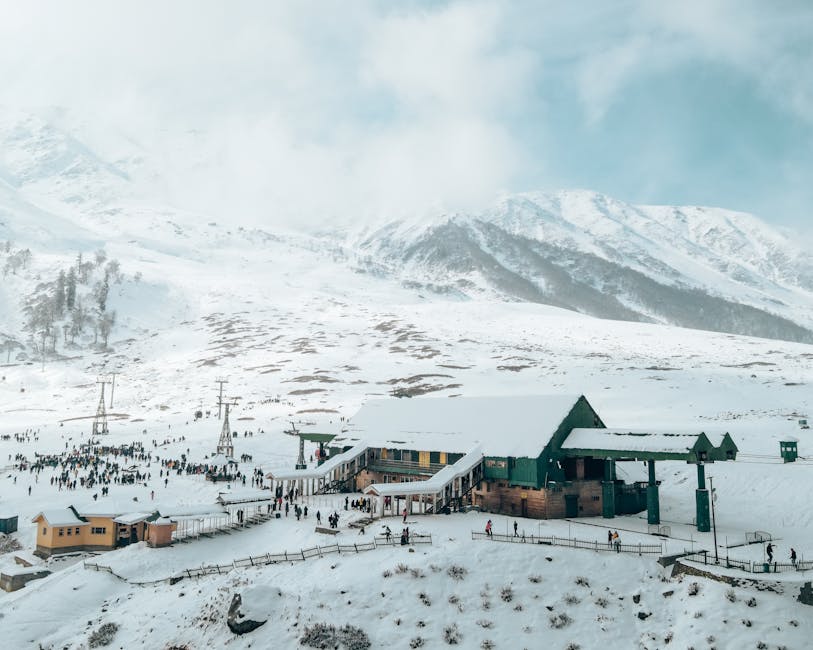
The journey to the Big Buddha is as much a part of the experience as the statue itself. How you get there—and when you book—can save you hours of frustration. The Ngong Ping 360 cable car is the preferred method for most, offering a 5.7km journey with views of the Hong Kong-Zhuhai-Macau Bridge and the airport. However, the pricing and cabin types can be confusing for first-time visitors.
| Cabin Type | Approx. Price (Round Trip) | Pros | Cons |
|---|---|---|---|
| Standard Cabin | $270 HKD | Most affordable; frequent cabins. | Metal floor; can feel cramped during peak times. |
| Crystal Cabin | $350 HKD | Glass bottom offers unique views of the forest below. | Slightly longer wait times for specific cabins. |
| Crystal+ Cabin | $450 HKD | 80% glass visibility (floor to ceiling); incredible for photos. | Most expensive; limited number of cabins available. |
To maximize your time, booking online is mandatory. There are two separate lines at the Tung Chung terminal: one for those purchasing tickets on-site and one for those with pre-booked vouchers (via the official site or third-party apps like Klook). The pre-booked line moves significantly faster. Even with a voucher, you should still arrive early. If you arrive at 11:00 AM on a Saturday without a ticket, you are looking at a logistical nightmare.
Another logistical factor is the Po Lin Monastery’s vegetarian lunch. The kitchen typically serves food between 11:30 AM and 4:30 PM. If you want to experience the traditional monk-style meal, aim to eat early (around 11:45 AM) or late (after 2:30 PM). The period between 12:30 PM and 1:30 PM is when the large tour groups descend on the dining hall, making for a chaotic and very loud experience. The “Deluxe” meal is roughly $150 HKD per person and includes several courses of seasonal vegetables, tofu, and soup. It is a worthwhile experience but requires proper timing to be enjoyable.
Finally, consider the alternative route for your return journey. Instead of taking the cable car back to Tung Chung, take the NLB Route 2 bus down to Mui Wo. This takes you through the lush southern side of Lantau Island. From Mui Wo, you can catch a ferry back to Central. This “loop” route prevents you from seeing the same scenery twice and often avoids the massive evening queues for the cable car. The ferry ride back into Victoria Harbour at sunset is a spectacular way to end the day, and it places you directly back in the heart of the city without having to navigate the MTR during rush hour.
In summary, the best time to visit Big Buddha Hong Kong is a weekday in November, arriving at the cable car terminal by 9:30 AM. This combination ensures the highest probability of clear skies, manageable temperatures, and the ability to photograph the statue before the harsh midday sun creates difficult shadows. By avoiding the major holidays and utilizing the “Mui Wo Loop” for your return, you can transform a potentially exhausting tourist trek into a smooth, culturally rich excursion.