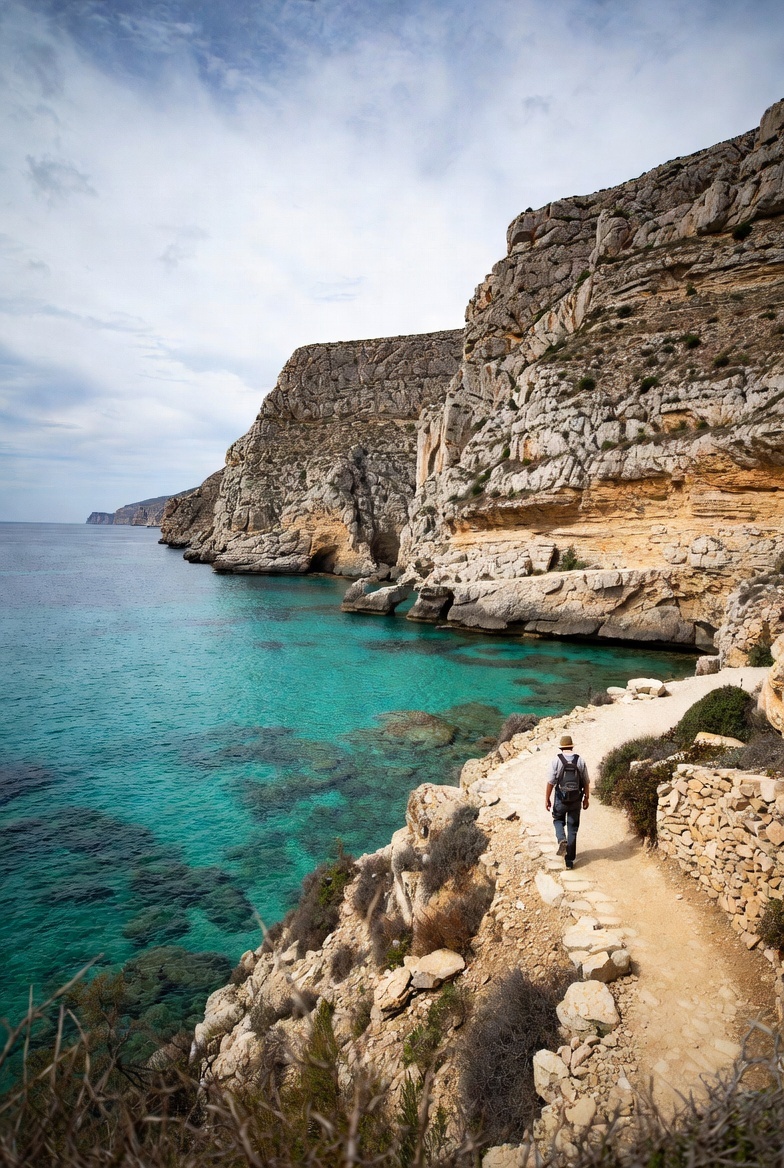
Why Explore Historical Walks on Algeria’s Coast?
Are you wondering why historical walks along Algeria’s coast are worth your time? The answer lies in the unique mix of ancient civilizations set against breathtaking Mediterranean views. From Roman amphitheaters to Phoenician tombs, Algeria coastal ruins offer a rare window into history, where culture meets nature right by the sea.
Unique Blend of Ancient Civilizations Overlooking the Sea
Walking these paths, you’ll feel the whispers of history—from Tipasa’s UNESCO heritage walks boasting Roman and Phoenician sites, to Cherchell’s Royal Mausoleum of Mauretania. These ruins aren’t just relics; they live scenically along the coastline, providing panoramic views that refresh the mind and soul.
Benefits of Historical Walks on Algeria’s Coast
- Low crowds: Unlike other Mediterranean tourist spots, Algeria’s historical coastal trails see fewer visitors, so you enjoy a peaceful experience.
- Affordable access: Cost-effective transportation and entrance fees make exploring easy on your wallet.
- Cultural plus nature: Combine rich heritage with stunning sea vistas and beachside relaxation for a balanced trip.
Best Time to Visit
Plan your walks in:
| Season | Months | Benefits |
|---|---|---|
| Spring | March – May | Mild weather, blooming landscapes, fewer tourists |
| Autumn | September – November | Cool temperatures, quiet trails, colorful scenery |
These shoulder seasons provide ideal conditions for comfortable walking and photography.
Practical Essentials for Historical Walks
Before you lace up your walking shoes, keep these tips in mind:
| Aspect | Tips |
|---|---|
| Visa | Most travelers need a visa; apply in advance through Algerian consulates. |
| Transportation | From Algiers, take trains or buses to coastal towns like Tipasa and Cherchell. Hiring a car offers more flexibility. |
| Safety | Coastal areas are generally safe; stay alert, avoid isolated spots after dark. |
| Packing | Bring comfortable walking shoes, sun protection, water, and a light rain jacket. |
Exploring Algeria’s coastal trails connects you with ancient history framed by the sparkling Mediterranean—a compelling, affordable escape for any traveler passionate about heritage and nature.
Top Historical Coastal Walks in Western Algeria
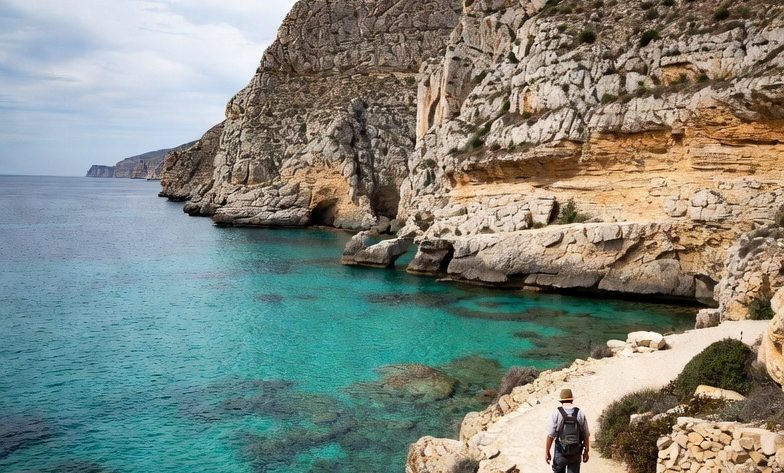
Western Algeria offers some of the most captivating historical walks along the Mediterranean, starting with the Tipasa UNESCO ruins. Here, you can explore clifftop paths winding through a remarkable Roman amphitheater, ancient basilicas, and fascinating Phoenician tombs, all overlooking stunning sea views. The combination of well-preserved Roman sites and coastal scenery makes Tipasa a must-visit for anyone interested in Algeria coastal ruins.
Not far from Tipasa lies Cherchell, known in antiquity as Caesarea. After a visit to its impressive museum, take leisurely walks to see the Royal Mausoleum of Mauretania and the ruins of the old harbor. These sites highlight the region’s rich blend of Numidian, Roman, and Phoenician heritage.
For those wanting a longer experience, the coastal trail that connects Tipasa to Cherchell is a hidden gem. It passes by quiet beaches and several lesser-known Numidian ruins, perfect for travelers seeking a mix of history, nature, and tranquility. This route provides a unique way to immerse yourself in Algeria’s ancient coastal culture while enjoying Mediterranean landscapes.
For similar coastal heritage experiences, travelers might also appreciate the historic Mediterranean walks featured in charming destinations like Italy’s coast, offering striking sunset views and cultural richness. You can explore those in depth through sunset views from Italian coasts.
Central Coast: Algiers and Surrounds
Exploring the heart of Algeria’s Mediterranean coast means diving into the rich history and vibrant culture of Algiers. The Algiers Casbah UNESCO site offers labyrinthine uphill walks through narrow streets lined with Ottoman palaces, ancient mosques, and panoramic viewpoints over the bay. This maze-like historic district is perfect for anyone keen on soaking up centuries of architecture and local life intertwined.
Along the waterfront, the promenade walks along the Bay of Algiers stretch from the bustling port area to the stunning Notre-Dame d’Afrique Basilica. These seaside paths blend urban energy with peaceful views of the Mediterranean, ideal for a relaxed cultural stroll.
For a refreshing day trip, consider the Mount Chenoua coastal hikes just outside Algiers. These trails offer breathtaking views of turquoise waters and nearby ruins, adding a scenic natural layer to your historical walk experience. The combination of coastal beauty and archaeological sights here makes it a top choice for those wanting to explore beyond the city.
For more cultural exploration along other Mediterranean coasts, you might find similarities with wildlife and coastal walks found in wildlife watching on Albanian coasts, which also focus on rich natural and historical landscapes.
Eastern Coastal Highlights
The eastern Algerian coast offers some of the most captivating historical walks along the Mediterranean. In Annaba and Hippo Regius, you can stroll through well-preserved Roman theaters and basilicas, with the added depth of visiting St. Augustine’s ancient sites—all set against peaceful beach backdrops. This blend of history and coastal calm creates a unique experience.
Further west, Bejaïa (Bougie) is known for its impressive forts and winding casbah trails. The scenic corniche paths here combine spectacular Mediterranean sea views with a rich Kabyle cultural heritage, perfect for those who appreciate both nature and history.
For more adventurous walkers, the Jijel region reveals its wild side with rugged coves and hidden Phoenician tombs Algeria coast remnants. These lesser-explored Roman and Phoenician sites can be accessed by foot, offering a quiet, immersive experience away from the usual tourist routes. These trails are ideal for travelers looking to connect deeply with Algeria’s coastal ruins and natural beauty.
Lesser-Known Gems and Multi-Day Itineraries
Oran’s seafront promenade offers stunning sunset walks along the bay, with the imposing Santa Cruz Fort overlooking the city. The blend of Spanish and Ottoman history here makes for a captivating coastal exploration beyond the usual spots.
For a richer experience, consider a 7-10 day historical coastal route from Algiers to Tipasa, then Oran, and finally Annaba. This itinerary connects Algeria’s best UNESCO heritage walks along the Mediterranean coast, including Roman and Phoenician ruins, Ottoman kasbahs, and serene beaches.
To truly embrace the local vibe, combine your historical walks with authentic experiences—enjoy fresh seafood meals by the sea, pause for traditional mint tea stops, and spend time chatting with fishermen in small harbors. These moments bring Algeria’s coastal culture to life, making your journey much more memorable and immersive.
Practical Tips for Your Walks
When exploring historical walks by Algerian coasts, choosing between guided and self-guided tours can shape your experience. Guided tours offer deeper insights into the rich history behind Algeria coastal ruins, from Roman sites in Tipasa to the Algiers Casbah promenade. Local guides share stories and hidden details that often go unnoticed on solo walks. However, self-guided options give you more flexibility to explore at your own pace, especially along peaceful trails like the Annaba Hippo Regius paths or Bejaïa coastal paths.
Footwear and hydration are essential—opt for comfortable walking shoes that handle uneven terrain and bring plenty of water to stay hydrated, especially during warm spring or autumn days. Don’t forget sun protection: hats, sunscreen, and lightweight clothes help shield you during long seaside walks.
Respecting local culture and sites is important. Many historical spots such as Phoenician tombs along the coast and UNESCO heritage walks in Algeria require mindful behavior—avoid climbing on ruins and respect local customs when visiting fishing villages or Kabyle coastal heritage trails.
For sustainable travel, minimize your impact by sticking to marked paths, avoiding littering, and supporting community-run tours or local eateries. This helps preserve fragile ruins and Mediterranean beaches ruins for future visitors while enriching your cultural immersion.
For more detailed packing advice and preparation tips for exploring Algeria’s coasts, check helpful resources on how to prepare for your trip to ensure a smooth and enjoyable journey.