You’re standing in a Bangkok alley. The smell of grilled pork skewers and fried basil fills the air. A woman in a stained apron waves you over. Her wok flames shoot three feet high. The chicken looks perfect. But your brain whispers: “Will this ruin my trip?”
That doubt kills more travel experiences than any bad meal. The truth? Street food in Asia is often safer than restaurant food — if you know the rules. Here’s exactly how to eat without fear.
What Actually Makes Street Food Risky (It’s Not What You Think)
Most people blame the food itself. Wrong. The real danger is poor handling after cooking — not the ingredients or the open air.
The Heat Rule
If it’s cooked in front of you at high temperature, it’s safe. Bacteria die at 165°F (74°C). A wok over a propane flame hits 400°F+. That pad thai? Sterile when it leaves the pan. The problem starts when it sits out for hours under a heat lamp.
Water Is the Real Enemy
Ice cubes, washed vegetables, and diluted sauces are where trouble lives. In Hanoi, skip the herb plate if it looks wet. In Mumbai, avoid any drink with ice cubes unless they’re factory-sealed. Bottled water only — and check the seal is intact.
The Crowd Test
If locals line up for it, eat it. A stall with a queue means high turnover. That meat has been sitting for 20 minutes max. An empty stall with pre-cooked food sitting under plastic? Walk past. Every time.
7 Rules for Picking the Right Stall (Table Format)
| What to Check | Good Sign | Red Flag |
|---|---|---|
| Customer volume | At least 5 people waiting | Empty or 1-2 tourists |
| Food storage | Raw meat in ice chest, covered | Raw meat at room temp, flies on it |
| Cook’s hands | Uses tongs or gloves, no cash handling | Handles money then food without washing |
| Oil condition | Clear, changed visibly that day | Dark brown, smoking, thick |
| Utensils | Separate for raw and cooked | Same tongs for raw chicken and cooked rice |
| Serving temperature | Cooked to order, steaming hot | Pre-cooked, lukewarm |
| License or permit | Visible health certificate (common in Singapore, Tokyo) | None — especially in regulated cities |
Use this table before you order. Takes ten seconds. Saves you a day in the bathroom.
Street Food Safety by City — The Short Version
Not all Asian cities are equal. Some have strict food safety laws. Others run on trust and reputation. Here’s the honest breakdown.
Singapore — Safest in Asia. Hawker centers are government-regulated, inspected regularly, and cleaned overnight. Eat anywhere. The Michelin-starred Liao Fan Hawker Chan chicken rice ($3) is proof that street-level food can be world-class.
Tokyo — Extremely clean. The Japanese obsession with hygiene means even a tiny yakitori stall in Shinjuku follows strict protocols. Raw fish from a market stall? Safer than most sushi restaurants in the West.
Bangkok — High turnover is your friend. Stick to stalls on Yaowarat Road (Chinatown) or around Sukhumvit Soi 38. Avoid anything that looks like it’s been sitting for an hour. The pad see ew from a busy wok station is a safe bet.
Hanoi — Watch the herbs. The bun cha is incredible, but the raw greens are washed in tap water. Ask for no herbs or rinse them yourself with bottled water. The grilled pork is fine.
Bali — Most variable. Tourist areas like Seminyak have decent stalls. Rural warungs? Riskier. Stick to food cooked to order — nasi goreng from a busy beachside warung is usually fine. Avoid pre-made satay.
What to Eat and What to Skip
This is where most guides go soft. Not here. Here’s exactly what’s worth the risk and what isn’t.
Eat These Without Worry
- Grilled meats on skewers — satay, yakitori, pork sticks. Cooked at high heat, served immediately. The safest street food category.
- Wok-fried noodles — pad thai, pad see ew, char kway teow. Oil temperature kills everything. Just make sure it’s cooked to order.
- Steamed dumplings — xiao long bao, gyoza, siomai. Steam heat is consistent and thorough.
- Deep-fried anything — spring rolls, tempura, fried chicken. 350°F oil is a sterilizer.
- Fresh fruit — only if you peel it yourself. Mango, papaya, dragon fruit. Skip pre-cut fruit sitting in a bowl.
Skip These or Be Careful
- Raw or undercooked meat — rare beef in pho, raw pork dishes. Not worth it from a street cart.
- Pre-made salads — som tam (papaya salad) made in advance. The fish sauce and lime don’t kill bacteria from unwashed produce.
- Ice cream from unrefrigerated carts — it melts and refreezes. Bacterial playground.
- Anything with raw egg — certain Thai desserts, some Vietnamese coffee drinks. Salmonella risk goes up fast in heat.
- Seafood that doesn’t smell like the ocean — if it smells fishy (ammonia), it’s old. Fresh seafood smells like clean saltwater. Trust your nose.
The One Thing Nobody Tells You About Street Food Safety
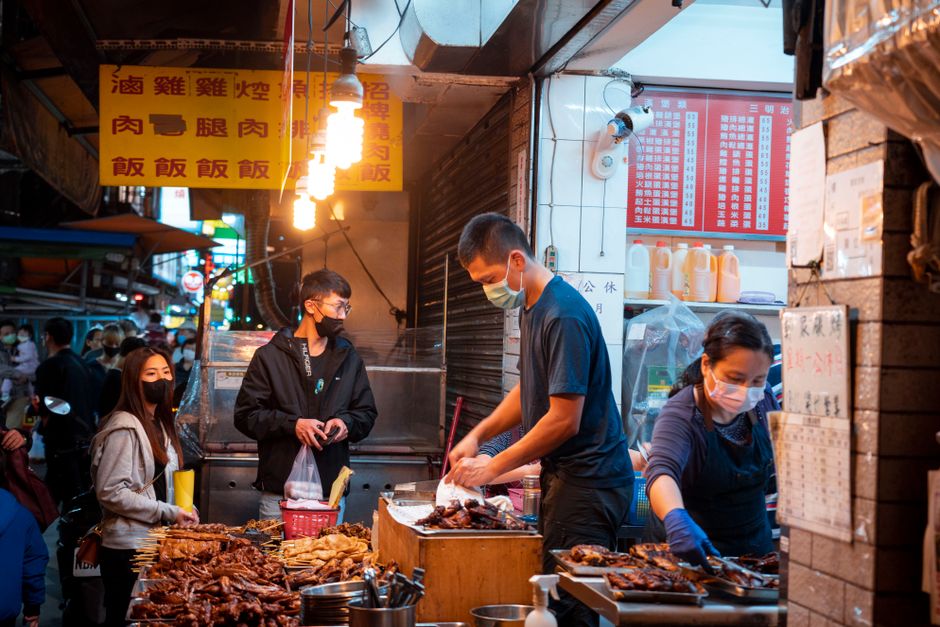
Your gut bacteria matter more than the food. A local can eat the same skewer you’re eyeing and feel fine. You might not. That’s not the food’s fault — it’s your microbiome.
If you’ve been eating bland hotel food for three days, your gut isn’t ready for a chili-laden assault from a night market. Ease into it. Start with cooked rice dishes and grilled meats on day one. Add spicy curries and fermented stuff on day three. Give your digestive system time to adjust.
Also: carry oral rehydration salts. Not Imodium. If you get sick, you want to flush the bacteria out, not trap it inside. A packet of ORS costs $1 and works better than anything else. Pack three sachets in your day bag.