Most first-time visitors to Kyoto spend 80% of their trip queuing for photos at Fushimi Inari, Kinkaku-ji, and the Arashiyama Bamboo Grove. They leave exhausted, having seen the postcard version, not the actual city. This 5-day itinerary flips that. It hits the iconic spots early (before 8 AM or after 5 PM), then spends the real daylight hours on quieter neighborhoods, local temples with zero crowds, and food streets where tourists don’t go. Total cost for transport, entry fees, and food: roughly ¥38,000–¥45,000 per person. That leaves room for a nice dinner or two.
Why This Itinerary Works Better Than the Standard Routes
Standard Kyoto itineraries treat the city like a checklist. Temple A at 9 AM, Temple B at 11, lunch, Temple C at 2. You spend more time on buses than actually experiencing anything. This plan uses three principles:
- Time-shifting — hit the famous spots at 6:30 AM or 7 PM. You get them nearly empty.
- Neighborhood clustering — group walks by geography. No backtracking across the city.
- Replacement logic — swap Kiyomizu-dera (50,000 daily visitors) for Kodai-ji (2,000 daily visitors) with nearly identical views.
The result? You see more, pay less, and never feel like you’re in a theme park line.
Day 1: The Eastern Hills Without the Madness
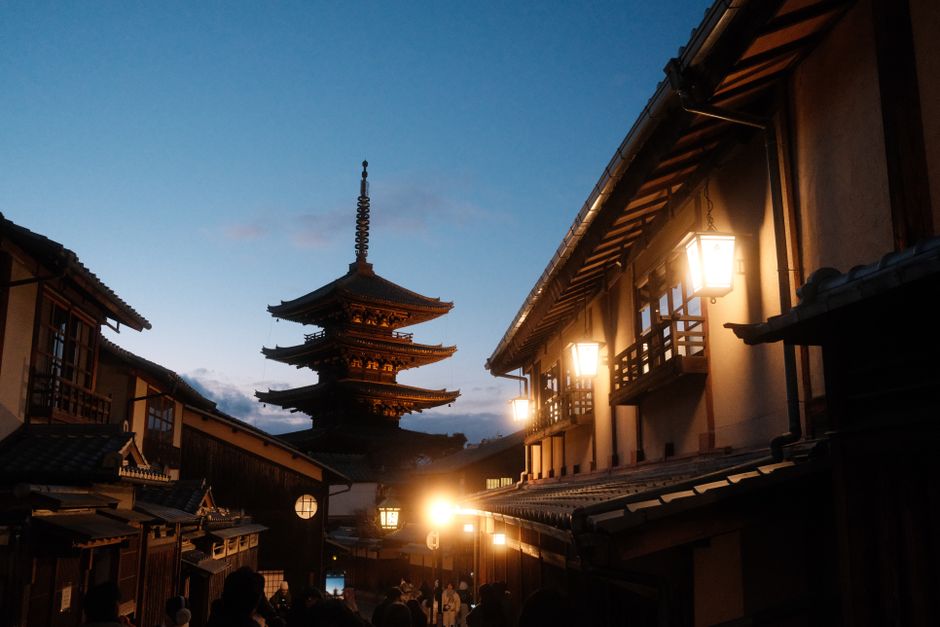
6:30 AM – Fushimi Inari Before the Herd
Fushimi Inari opens 24/7. At 6:30 AM, you’ll share the trail with maybe 20 other people. By 9 AM, it’s a human river. Walk the first 30 minutes of gates, then turn left onto the small side path near the Yotsutsuji intersection. Most tourists miss this loop — it takes you through a quiet bamboo grove and past tiny Inari shrines with zero crowds. Free entry. Takes 90 minutes total.
9:30 AM – Breakfast at Vermillion Coffee
Skip the convenience store onigiri. Walk 10 minutes from Fushimi Inari’s south exit to Vermillion Coffee (¥800–¥1,200 for coffee + toast set). Small shop, good pour-over, quiet back garden. Opens at 8 AM.
11:00 AM – Kodai-ji Instead of Kiyomizu-dera
Kiyomizu-dera charges ¥400 and packs 50,000 people onto its wooden terrace daily. Kodai-ji (¥600, open 9 AM–5 PM) sits 15 minutes uphill from Kiyomizu’s main path. Same hillside city views, a stunning bamboo grove in its garden, and a moss-covered stone path that barely sees 50 people an hour. The tea house inside serves matcha (¥500) with a view over the raked sand garden. Spend 90 minutes here, not the 3+ hours you’d waste at Kiyomizu.
1:00 PM – Lunch at Honke Owariya (Soba Since 1465)
This is Kyoto’s oldest restaurant — 550 years of continuous operation. Their nishin soba (herring soba, ¥1,800) is the signature dish. Short wait (15–20 minutes) if you arrive before 1:30 PM. Located on a side street near the Higashiyama district. Cash only.
3:00 PM – The Philosopher’s Path (South Section)
Most tourists walk the entire 2 km path from Ginkaku-ji to Nanzen-ji. The southern half (from Nanzen-ji up to the Otawa Waterfall) is quieter, has more cherry trees, and passes Honen-in temple (free, tiny moss garden, open 6 AM–5 PM). Walk slowly. Takes about 45 minutes.
6:00 PM – Dinner at Pontocho Alley’s Back Streets
Pontocho’s main street is tourist central. Walk one block east to Kiyamachi-dori. Find Yakitori Gonpachi (grilled skewers, ¥200–¥500 each, open 5 PM–midnight). No English menu, but point at what looks good. Expect 8–10 skewers plus a beer for ¥3,500–¥4,000.
| Day 1 Costs | Amount |
|---|---|
| Entry fees (Kodai-ji) | ¥600 |
| Breakfast | ¥1,000 |
| Lunch | ¥1,800 |
| Dinner | ¥3,800 |
| Transport (IC card) | ¥500 |
| Total | ¥7,700 |
Day 2: Arashiyama Done Differently (No Bamboo Crowds)
7:00 AM – The Bamboo Grove at Dawn
Yes, you’re going to the bamboo grove. But at 7 AM, it’s empty. The light filters through differently in the morning. You’ll get your photos without 200 people in them. Takes 20 minutes to walk through. Free.
7:45 AM – Okochi Sanso Garden (The Real Gem)
Most people leave Arashiyama after the bamboo. They miss Okochi Sanso (¥1,000 entry, includes matcha and a sweet). This was a film actor’s private villa. The garden is massive — 45 minutes of terraced hills, a tea house, and a viewpoint over the entire Arashiyama valley. The entry fee feels high, but the matcha service alone is worth ¥600. Opens at 9 AM, so grab a coffee from % Arabica Arashiyama (¥500, open 8 AM) while you wait.
10:30 AM – Jojakko-ji Temple (Best Autumn Colors, Quiet Year-Round)
Walk 10 minutes up the hill from the bamboo grove. Jojakko-ji (¥500) has a pagoda, moss stairs, and a view over the river. On a Tuesday in October, I saw exactly 12 other visitors. The garden is deliberately unkempt — wild moss, fallen leaves left in place. Feels like stumbling into a forgotten shrine. Takes 30–40 minutes.
12:30 PM – Lunch at Shoraian (Tofu Kaiseki on the River)
This restaurant sits on a platform over the Katsura River. Their yudofu set (¥3,800) includes 7 small dishes, all tofu-based, plus a view of the water. Reservations required — book 2 days ahead via your hotel. The lunch set is half the price of dinner.
2:30 PM – The Sagano Romantic Train (Optional, ¥620)
If you have energy, take the Sagano Scenic Railway (¥620, 25 minutes one-way) along the Hozugawa River. Runs from Saga Station to Kameoka. The river gorge views are spectacular in autumn. Skip it in summer — too hot and the foliage is green, not colorful. Alternative: walk the river path back (40 minutes, flat, scenic).
Day 3: The Northern Temples (and the One Everyone Misses)
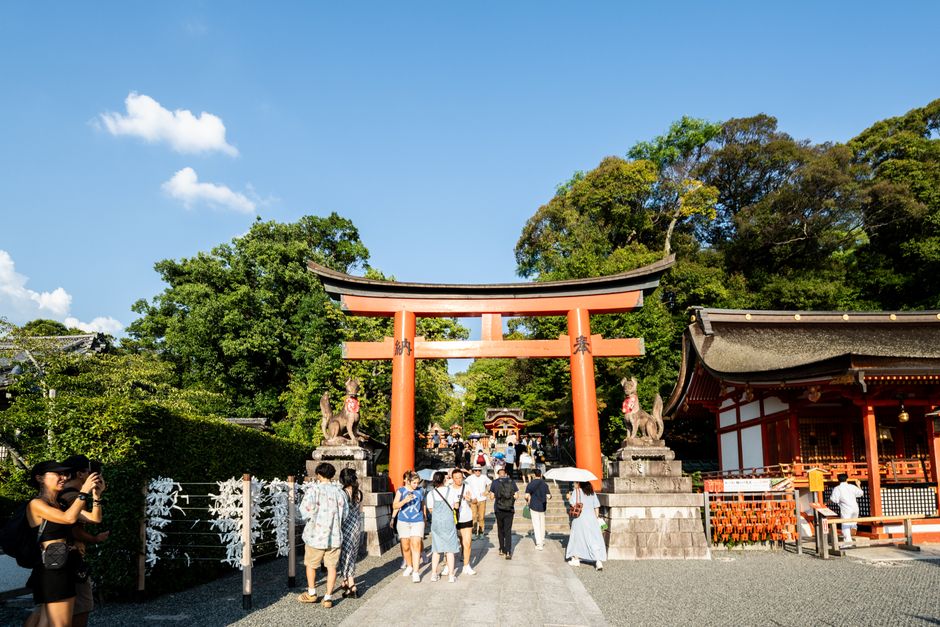
9:00 AM – Ryoan-ji’s Rock Garden (Yes, It’s Worth It)
Ryoan-ji (¥500) is famous for its 15 rocks arranged so you can never see all of them at once. The trick: sit on the veranda for 15 minutes without looking at your phone. The garden changes as the light shifts. Most people spend 5 minutes here. Spend 20. Free audio guide on the website.
10:30 AM – Kinkaku-ji (Golden Pavilion) From the Side Path
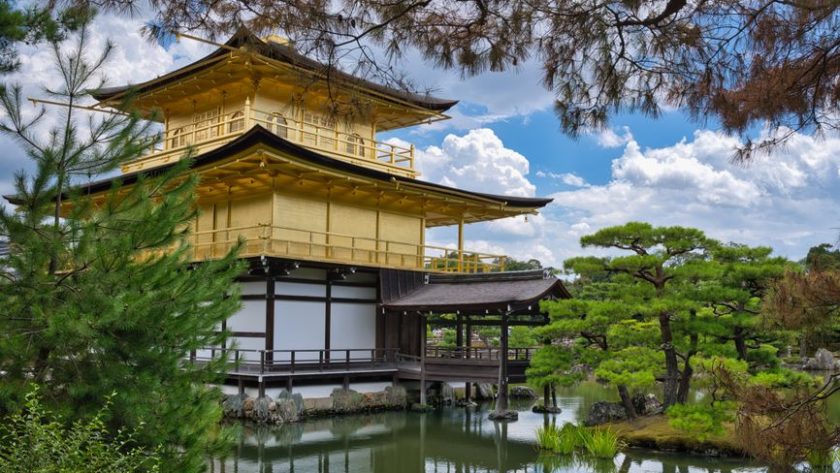
Kinkaku-ji (¥400) is always crowded. The standard route walks you past the pavilion in 10 minutes. Instead, enter and immediately turn left onto the gravel path that circles the pond. You’ll see the pavilion from the back first — fewer people, better reflection in the water. Takes 30 minutes total. Accept the crowds; the gold leaf is genuinely stunning.
12:00 PM – Lunch at Udon Yamaoka (Local Favorite, No Tourists)
15-minute bus ride north from Kinkaku-ji. Udon Yamaoka serves handmade udon in a house that’s been a noodle shop since 1920. Their kitsune udon (¥700) comes with a thick, sweet fried tofu on top. No English sign — look for the red noren curtain and the line of 5–6 locals. Cash only. Opens 11:30 AM, closes when the soup runs out (usually 2 PM).
1:30 PM – Daitoku-ji Temple Complex (The Hidden Gem)
This is the biggest miss on most itineraries. Daitoku-ji is a complex of 22 sub-temples, most of which you can enter for ¥400 each. The standout: Daisen-in (¥400), which has a dry landscape garden that tells a story of a river from mountains to ocean. You can sit in the garden room for as long as you want. I spent 45 minutes here. Total complex visit: 1.5–2 hours. Bus from Kinkaku-ji: 10 minutes, ¥230.
4:00 PM – Kitano Tenmangu Shrine and the Flea Market (25th Only)
If your trip includes the 25th of any month, Kitano Tenmangu’s flea market is one of Kyoto’s best. 1,000+ stalls selling antiques, used kimono, ceramics, and street food. The shrine itself (free) is dedicated to the god of learning — students come to pray for exam success. The plum blossoms in February are spectacular.
Day 4: The Southern Suburbs (Where Locals Actually Go)
9:00 AM – Tofuku-ji Temple (Best Autumn, Underrated Year-Round)
Tofuku-ji (¥500) has a massive Zen garden, a bridge over a valley of 2,000 maple trees, and about 90% fewer tourists than Kiyomizu-dera. The main hall’s ceiling painting of a dragon is worth the entry alone. Takes 1 hour. Walk from Kyoto Station: 15 minutes east.
10:30 AM – Fushimi Sake District (Tastings for ¥500)
Take the Keihan line to Fushimi-Momoyama station (¥260, 10 minutes). This neighborhood produces 40% of Kyoto’s sake. Gekkeikan Okura Sake Museum (free entry, ¥400 for a tasting set of 3 sakes) is the main stop. But the real move is walking the canal path — 20 minutes of old warehouses, wooden bridges, and sake barrels stacked outside breweries. Kizakura Kappa Country (free, tasting sets ¥500–¥1,000) has a small museum and a beer garden in summer.
12:30 PM – Lunch at Torisei (Grilled Chicken, 70 Years Running)
In the Fushimi district, Torisei has been grilling chicken over charcoal since 1955. Their teishoku set (¥1,200) comes with grilled thigh, rice, miso soup, and pickles. The smoke smell hits you from 50 meters away. Cash only. Opens 11:30 AM, expect a 10-minute wait.
2:00 PM – Byodo-in Temple (The ¥10 Coin View)
Take the Keihan line 20 minutes south to Uji (¥310). Byodo-in (¥600, plus ¥300 for the museum) is the temple on the back of the ¥10 coin. The Phoenix Hall reflects perfectly in the pond. The museum has original Buddhist statues and a video about the temple’s construction. Takes 1 hour. Uji is also famous for matcha — grab a soft-serve matcha ice cream (¥350) from Nakamura Tokichi by the station.
5:00 PM – Return to Kyoto and Nishiki Market Dinner
Nishiki Market is a 400-meter covered street of food stalls. It closes at 6 PM for most stalls, but the restaurants on the side streets stay open. Try Karasu no Oyatsu (fried tofu stuffed with mochi, ¥300) and Nishiki Tako (octopus balls, ¥500 for 6). Dinner on the go: ¥1,500–¥2,000.
Day 5: The Western Hills and a Final Evening in Gion
8:00 AM – Katsura Imperial Villa (Free, But You Need to Book)
Katsura Imperial Villa is free, but entry is by guided tour only. Book 3 months ahead on the Imperial Household Agency website. The garden is considered the pinnacle of Japanese landscape design — 7 hectares of ponds, bridges, and tea houses designed for moon viewing. The tour lasts 1 hour. If you can’t book, Shugakuin Imperial Villa (also free, same booking system) is a solid backup.
10:00 AM – Koryu-ji Temple (The Oldest Wooden Statue in Japan)
Bus from Katsura station (15 minutes, ¥230). Koryu-ji (¥700) houses the Miroku Bosatsu, a 7th-century wooden bodhisattva. The museum has a rotating exhibit of Buddhist art. The temple grounds are quiet — maybe 30 visitors on a busy day. Takes 45 minutes.
12:00 PM – Lunch at Men-ya Inoichi (Michelin Bib Gourmand Ramen)
Ramen shop near Nishinomiya station (10-minute bus from Koryu-ji). Men-ya Inoichi won Bib Gourmand status for its shoyu ramen (¥950). The broth is chicken and seafood base, topped with a slow-cooked pork chashu. Expect a 20-minute line. Opens 11 AM, closes when the broth runs out (usually 2 PM).
2:00 PM – The Gion District (The Right Way)
Skip the main street (Shijo-dori) — it’s a gauntlet of souvenir shops and selfie sticks. Walk the side streets: Shinbashi-dori and Tatami-dori. These narrow lanes have preserved wooden machiya houses, and if you’re lucky, you’ll see a geiko (Kyoto’s term for geisha) walking to an appointment. Best time: 5 PM–6 PM, when they head to evening engagements. Yasaka Shrine (free, open 24/7) is at the eastern end of Gion and looks beautiful lit up at night.
6:00 PM – Final Dinner at Sushi Iwa (Counter-Only, ¥5,000 Set)
Hidden on a side street in Gion, Sushi Iwa has 8 counter seats. The omakase set (¥5,000–¥7,000) includes 8 pieces of nigiri and a hand roll. The chef speaks limited English but will gesture through the fish types. Reservations essential — book via your hotel concierge 3 days ahead. Cash only.
Budget Breakdown and Common Mistakes to Avoid
Total estimated cost per person for 5 days: ¥38,000–¥45,000 (food, entry fees, transport). This assumes ¥800–¥1,200 per meal for breakfast and lunch, ¥3,000–¥5,000 for dinner, and ¥500–¥1,000 daily on buses and trains. Accommodation is separate — budget hostels start at ¥3,000/night, mid-range hotels at ¥8,000–¥12,000.
Three mistakes that ruin a Kyoto trip:
- Buying a bus pass without checking routes. The Kyoto City Bus 1-day pass (¥600) looks cheap, but buses crawl through central Kyoto. For two people, taxis often cost the same and save 30 minutes per trip. Use the subway (faster) and walk (more interesting).
- Eating near major temples. Restaurants within 200 meters of Kinkaku-ji or Kiyomizu-dera charge 30–50% more for lower quality. Walk 10 minutes away — the prices drop and the food improves.
- Overpacking the schedule. Kyoto is a city for slow walking. Three temples a day is the max. Four means you’re rushing, taking photos without looking, and missing the point entirely.
When to skip this itinerary entirely: If you have mobility issues or hate walking, this plan won’t work. Kyoto’s hills are steep, and many temples require climbing stone stairs. Consider a taxi-based itinerary with fewer sites, or stick to the flat areas like central Kyoto and Nishiki Market. If you only have 2 days, skip Days 3 and 5 and focus on the Eastern Hills and Arashiyama.