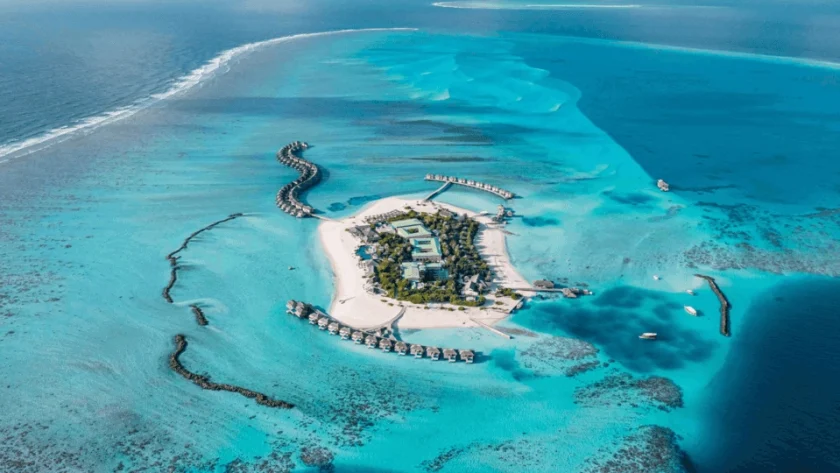
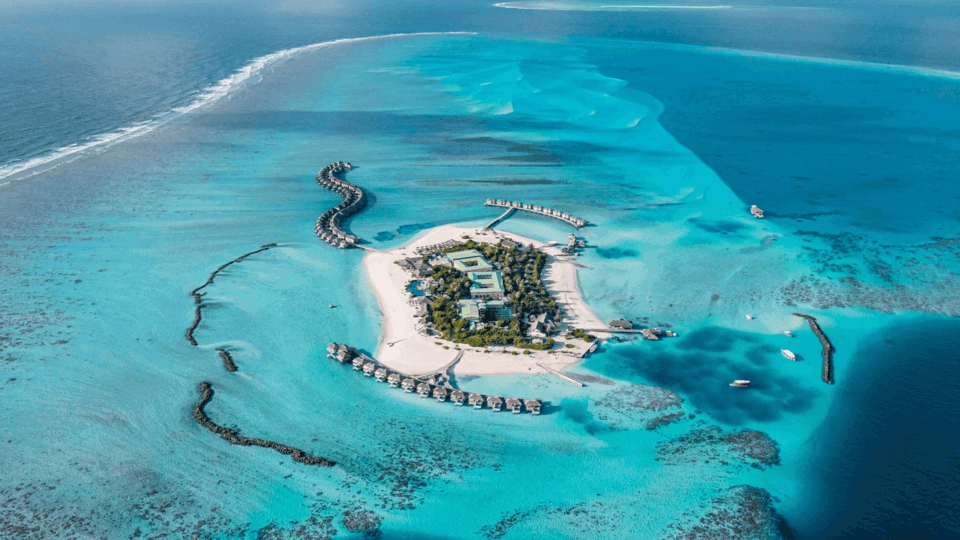
The Maldives is a stunning chain of over 1,000 coral islands scattered across the Indian Ocean. These islands form 26 atolls, stretching north to south over 800 kilometres. Most resorts and tourist hubs cluster around easily accessible atolls like South Male and North Male, making them popular but often crowded.
However, when we talk about remote islands in the Maldives, it goes beyond just physical distance. It means escaping the usual tourist trail to find places where:
Nature feels untouched and pristine,
Crowds vanish and privacy reigns,
Local culture breathes quietly alongside eco-friendly tourism,
And luxury blends with simplicity, sometimes far from civilisation.
Geography & Resort Distribution at a Glance
Region
Key Characteristics
Accessibility
Typical Island Type
South & North Male Atolls
Close to capital, many resorts
Speedboat, short seaplane ride
Busy, popular tourist spots
Central Atolls (Ari, Baa)
More resort clusters, good diving
Domestic flights + boats
Secluded but accessible
Northern & Southern Atolls
Sparsely developed, far from crowds
Longer domestic flights, boats
Truly remote, eco-lodges & local islands
Secluded vs Private vs Truly Remote
Secluded islands might be quiet but still near other resorts or inhabited islands.
Private islands offer exclusive use, often for individual luxury resorts, but can still be close to busy hubs.
Truly remote islands are far-flung, often hard to reach, with minimal human footprint and a strong feel of wilderness and authentic Maldivian culture.
Why Seek Remoteness in 2026–2026?
More travellers today crave genuine escape and sustainability. The desire to step back from crowded beaches and resort clusters motivates explorers to find:
Untouched islands with uncrowded beaches and pristine reefs,
Off-the-beaten-path Maldives experiences blending adventure and cultural immersion,
Eco-friendly islands offering authentic stays supporting local communities,
Exclusive privacy without sacrificing comfort.
In 2026 and 2026, remoteness is not just a trend; it’s a meaningful way to connect deeply with the Maldives’ natural charm and traditions, avoiding overdeveloped and mainstream areas.
Remoteness Levels in the Maldives (Classification Guide)
The Maldives offers a wide range of islands, varying from bustling tourist hubs to untouched desert islands. Understanding the remoteness levels helps travelers pick the perfect spot for their ideal getaway. Here’s a quick guide to the main categories:
Level 1 – Classic Tourist Atolls
These include South Male, North Male, and Ari Atolls. They are the most developed and accessible, hosting many well-known resorts and guesthouses. Expect lively atmospheres, easy transport links, and a mix of local culture with tourist conveniences. While not remote, these areas are perfect for first-timers wanting a taste of Maldives with familiar comforts.
Level 2 – Popular but Slightly Farther Atolls
Atolls like Baa, Lhaviyani, and Noonu fall into this category. They’re a step away from the crowded main hubs but still easy to reach by seaplane or speedboat. These atolls feature exclusive private island resorts and pristine reefs, offering more privacy, quieter beaches, and better chances for snorkeling and diving away from crowds.
Gaafu Alifu, Haa Alifu, and Laamu Atolls represent true remoteness with inhabited islands that combine authentic local culture and serene environments. These atolls are less visited and require more effort to reach, often involving domestic flights plus boat transfers. They’re perfect for travelers seeking off-the-beaten-path Maldives experiences while enjoying eco-friendly islands and cultural immersion.
This level includes ultra-private Maldives resorts situated on far-flung islands, sometimes at the very edge of the Maldivian archipelago. These resorts offer desert island isolation with luxury and tranquility unmatched anywhere else. Expect tailor-made experiences and limited access, ideal for travelers who prioritize silence and exclusivity.
Level 5 – Desert Island & Castaway Experiences
The ultimate remote experience awaits on uninhabited islands, offering true solitude and untouched natural beauty. These are Maldives desert island experiences in their purest form—perfect for castaway-style stays, private picnics on sandbanks, and wildlife encounters without a soul in sight. Transport is usually by charter boat or seaplane, emphasizing adventure and disconnection.
Each level offers unique ways to enjoy the Maldives’ quietest places to stay, from accessible yet uncrowded beaches to isolated, exclusive private islands. Choosing your ideal remoteness depends on whether you want easy access or off-grid tranquility blended with authentic Maldivian culture.
Most Remote Resorts & Islands to Explore
If you’re looking to escape the crowds, the authentic northern islands like Haa Alifu Atoll offer a true break from mass tourism. These faraway Maldivian islands are perfect for those seeking untouched nature, quiet beach life, and glimpses of authentic Maldivian culture away from busy hubs.
Down south, Gaafu Alifu and Laamu Atolls stand out as genuinely remote inhabited local islands. Here, you can enjoy deep tranquility, rich biodiversity, and cultural immersion by visiting local villages alongside resorts. These southern atolls of Maldives provide a perfect blend of nature, serenity, and traditional island life.
For those wanting a mix of activity and seclusion, several secluded atolls offer fantastic opportunities for snorkeling, diving, and island hopping without the crowds. You’ll find pristine reefs, uncrowded beaches, and peaceful settings that make the Maldives a top destination for eco-friendly and off-the-beaten-path adventures.
Whether it’s exploring hidden gem atolls or finding quiet spots on exclusive private islands, these remote luxury resorts Maldives are where you experience the quieter, more authentic side of this island nation.
Practical Travel Advice for Remote Islands
Reaching the more remote islands of the Maldives usually means combining speedboats, domestic flights, and sometimes seaplanes. Most classic tourist atolls are accessible by speedboat, but for those faraway Maldivian islands in the northernmost or southern atolls, domestic flights or scenic seaplane rides are your best bet. Booking transfers in advance is key, especially for ultra-private Maldives resorts or secluded atolls Maldives stays, to avoid surprises.
When visiting remote islands, expect a slower pace and embrace local customs. Many islands are bikini-friendly beaches, but modest dressing might be appreciated when visiting local villages. Eco-tourism opportunities abound on these untouched islands Maldives, offering chances to participate in reef conservation, turtle protection, or guided nature walks.
For those seeking hidden gems Maldives offers plenty of options, from quietest places to stay Maldives that cater to relaxation to islands perfect for adventure, like snorkeling pristine reefs or island hopping off-the-beaten-path Maldives spots. These authentic local islands combine tranquility and natural beauty, making them ideal for travelers wanting to avoid mainstream crowds. Planning well helps make the most of your dream remote island experience. For tips on sustainable and respectful travel, check out this practical guide for living like a local.
Avoiding Mainstream & Overdeveloped Spots
If you’re after a truly remote island experience in the Maldives, it’s best to skip the crowded hotspots like Malé, Maafushi, and Velaa. These places are popular for a reason but tend to be packed with tourists and highly commercialized, which can take away from the peaceful, authentic vibe many travelers seek.
Here are some tips to avoid the mainstream:
Choose authentic local islands over resorts clustered near the capital. Islands like Thulusdhoo or Dhigurah offer a quieter, more genuine glimpse of Maldivian culture without the tourist crowds.
Look for less commercialized island stays such as community guesthouses or eco-lodges. These are often located in hidden gem atolls and provide a more intimate, sustainable experience.
Opt for off-the-beaten-path Maldives locations in northern or southern atolls, which are less developed but rich in natural beauty and authenticity.
For a deeper dive into sustainable and mindful travel in remote islands, check out practical advice on how to respect local customs and eco-tourism options, which go hand-in-hand with avoiding overdeveloped areas. This way, you get to enjoy the quietest places to stay in the Maldives without sacrificing cultural richness or environmental care.
Best Time to Visit Remote Maldives
The ideal time to explore the remote islands of the Maldives is during the dry season, which runs from November to April. This period offers the best weather conditions—clear skies, calm seas, and plenty of sunshine—making it perfect for beach relaxation, snorkeling, and diving the pristine reefs. You’ll also enjoy the benefits of uncrowded beaches Maldives-wide, especially on the less-visited northernmost and southern atolls.
For wildlife enthusiasts, timing your trip around wildlife spotting seasons will add extra magic. Whale shark spotting is best from May to December, mainly in areas like the South Ari Atoll, while manta rays are more common between August and November, often seen around Baa and Lhaviyani Atolls. If you’re after a more thrilling experience, tiger shark sightings tend to peak between December and April in deeper waters near some of the distant atolls of Maldives.
Keep in mind that the Maldives is a year-round destination, but certain differences exist between the northern and southern remote islands. The northernmost atolls can be slightly drier outside the main dry season, while the southern atolls, including Gaafu Alifu and Laamu, may experience more rain but also more authentic local quietness and lush nature.
Planning your visit with these seasonal patterns in mind helps you maximize both comfort and unique wildlife encounters on your off-the-beaten-path Maldives adventure. For tips on preparing for your trip, check out expert advice on packing and comfort in remote destinations.
Reaching and Staying on Remote Islands
Getting to the most remote islands of the Maldives often means combining domestic flights, speedboats, and sometimes seaplanes. Booking your domestic flights early is crucial—these small planes fill up fast, especially during peak travel seasons. For islands a bit closer, speedboat transfers are common, but for faraway Maldivian islands, you’ll likely need a seaplane. Coordinating these transfers through your resort or guesthouse helps avoid delays and ensures smooth connections.
Packing for remote islands means thinking beyond just swimwear. Bring eco-friendly sunscreen, reef-safe toiletries, and reusable water bottles to support the Maldives’ eco-tourism efforts. Lightweight, modest clothing is useful too, especially when visiting authentic local islands where customs call for respectful dress.
Many ultra-private Maldives resorts offer decent Wi-Fi, but don’t expect reliable internet everywhere—faraway Maldivian islands can have patchy signals. Embrace the chance to disconnect and live like a local: enjoy quiet beaches, local food, and slow island rhythms.
For a deeper guide on preparations, check out tips on how to prepare for your Maldives trip for practical steps and packing advice.
Things to Do on Remote Islands
When you visit remote islands of the Maldives, there’s plenty to keep you busy while soaking up the untouched paradise vibe. First up, snorkeling and diving around pristine reefs is a must. These faraway Maldivian islands boast some of the clearest waters and healthiest coral reefs you’ll find anywhere, perfect for spotting manta rays, whale sharks, and a kaleidoscope of tropical fish.
Island hopping is another top activity, letting you explore secluded atolls and hidden gem atolls away from the crowds. Pack a picnic and head to a sandbank for a truly castaway experience—imagine being surrounded by nothing but turquoise sea and powdery white sand.
If you’re interested in authentic local life, take the chance for village walks and taste the unique flavors of Maldivian cuisine. Many remote local islands offer eco-friendly tours and cultural activities that give you a real feel for the Maldives beyond the resorts.
For relaxation, try sunrise yoga by the calm ocean, paddle through quiet lagoons in a kayak, or visit bioluminescent beaches where the water glows at night—one of the most magical and rare experiences in the Maldives.
In short, remote luxury resorts and local islands alike offer the perfect mix of adventure, culture, and peace for travelers looking to escape mainstream spots and enjoy the true quietest places to stay in the Maldives.
Accommodation Options on Remote Islands
When it comes to staying on remote islands of the Maldives, you’ve got a few solid choices: guesthouses, eco-lodges, luxury resorts, or community-based stays. Each offers a different vibe and experience, depending on what you want from your faraway Maldivian islands getaway.
Guesthouses and Eco-Lodges: Budget & Mid-Range
Affordable & Authentic: Many guesthouses and eco-lodges are on inhabited local islands, giving you a true taste of authentic Maldivian culture.
Eco-friendly: Most focus on sustainability—solar energy, waste reduction, and minimal disruption to local life.
Comfortable but Simple: Clean rooms, local hospitality, and eco-conscious design, but expect fewer luxury extras.
Great for: Travelers wanting budget-friendly stays, cultural immersion, and quiet, uncrowded beaches.
Luxury Resorts vs. Community-Based Stays: Pros & Cons
Aspect
Luxury Resorts
Community-Based Stays
Privacy
Ultra-private Maldives resorts; isolated villas
Shared Island life; more social interaction
Amenities
Pools, spas, fine dining, water sports
Basic facilities; local food, laid-back vibe
Sustainability
Often eco-luxury with green initiatives
Deep local focus; supports island communities
Price
High-end, expensive
Budget to mid-range
Experience
Exclusive, pampered
Authentic, cultural
Balancing Sustainability and Comfort
The best remote island accommodations today focus on blending comfort with eco-friendly values. Whether you pick an off-the-beaten-path guesthouse or a remote luxury resort, look for places that:
Use renewable energy
Minimise single-use plastics
Respect local culture and environment
Support community development
Staying sustainably ensures your trip to the least crowded islands Maldives remains beautiful and enriching for years to come.
Choosing the right accommodation depends on your budget, desire for remoteness, and how much local culture you want to soak in. Either way, remote Maldives lodgings provide a unique chance to relax amidst pristine reefs and untouched islands Maldives solo travelers and families alike will treasure.
Final Thoughts on True Remoteness in the Maldives
Choosing true remoteness in the Maldives means balancing the peacefulness of faraway Maldivian islands with the convenience and comfort you might be used to. While ultra-remote island life offers unmatched privacy, untouched natural beauty, and authentic local vibes, it often comes with limited luxury and fewer amenities. If you value quietest places to stay and want to escape crowded beaches, the trade-off can be worth it.
Is the journey to these remote luxury resorts Maldives worthwhile? For travelers craving genuine seclusion, pristine reefs, and a deep cultural connection, absolutely yes. These hidden gem atolls Maldives offer a unique chance to slow down and experience the islands beyond the typical tourist trail.
Above all, embracing mindful travel here is key—respecting local customs, supporting eco-friendly islands Maldives, and engaging with authentic Maldivian culture enrich your stay and help preserve these fragile island environments. If you’re ready for less commercialized, off-the-beaten-path Maldives adventure, prioritizing sustainability and genuine experiences will make your trip truly memorable.