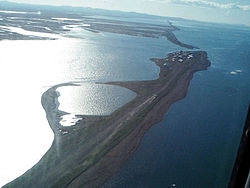
North American coastal lagoons are some of the most dynamic and diverse ecosystems you’ll find along the continent’s shores. From the barrier islands and sand spits that shape them, to the way changing sea levels continuously remodel their forms, these lagoons are living landscapes.
How They Form
Barrier islands and sand spits protect lagoons from the open ocean, creating calm, sheltered waters.
Sea-level changes over thousands of years have shifted coastlines, carving out lagoons with varying sizes and depths.
This constant geological dance means lagoons here are forever changing, offering unique habitats.
Their Ecological Role
These lagoons play a huge part in coastal life:
Serve as nurseries for fish and shellfish, offering safe breeding grounds.
Act as vital rest stops for migratory birds, filling flyways with life each year.
Support high biodiversity in their brackish waters — a mix of fresh and saltwater that sustains diverse plants and animals.
Variations Along the Coasts
North America’s lagoons aren’t one-size-fits-all. They vary a lot depending on where you are:
Region
Water Type
Climate Type
Key Features
Southern Gulf Coast
Hypersaline
Subtropical
High salt content, unique species like Laguna Madre Texas
Northern Atlantic
Freshwater-influenced
Temperate
Cooler waters, more freshwater from rivers
Pacific Coast
Brackish to fresh
Temperate to cool
Influenced by redwoods, rare lagoon types like Humboldt Lagoons California
How They Compare Globally
While lagoons exist worldwide, North American coastal lagoons stand out for:
Their range of climates from subtropical Florida to temperate Alaska.
The variety of wildlife they host, from manatees and sea turtles to migratory snow geese.
Their mix of urban-adjacent spots like Great South Bay (New York) to remote wilderness lagoons on the Pacific Coast.
In essence, these lagoons are complex, living mosaics—balancing geology, ecology, and geography in ways that make North American coastal lagoons true coastal wonders.
Atlantic Coast Wonders
The Atlantic Coast is home to some of the most impressive barrier island lagoons, stretching from New York down to Virginia. These coastal waters are shaped by long, narrow islands that protect calm bays and sounds behind them, creating rich habitats for wildlife and outdoor enthusiasts alike.
North Carolina’s Pamlico Sound and Albemarle Sound form the largest lagoon system in the U.S., shielded by the famous Outer Banks. These waters serve as vital nurseries for fish and provide exceptional opportunities for birdwatching, especially waterfowl. The area’s vibrant fisheries support both commercial and recreational fishing, making it a hotspot for anglers.
Further north, Great South Bay in New York has a deep history rooted in clamming and shellfish harvesting. Efforts in shellfish restoration have helped revive this once heavily impacted lagoon, which lies close to urban centers yet remains a peaceful retreat for wildlife and visitors.
Heading south into Florida, the Indian River Lagoon stands out as one of North America’s most biodiverse estuaries. Home to manatees, dolphins, and extensive seagrass beds, this coastal lagoon supports a wide range of marine life in its brackish waters, drawing nature lovers and researchers alike.
For travelers interested in exploring these unique coastal lagoons, practical details on reaching the region can be found through resources like how to get to the airport in nearby cities, helping plan your visit smoothly.
Gulf Coast Wonders
The Gulf Coast is home to some of North America’s most unique coastal lagoons, starting with Laguna Madre in Texas. This rare hypersaline lagoon supports extensive, pristine seagrass meadows that provide essential habitats for fish, birds, and other wildlife. Birdwatchers flock here for world-class opportunities, spotting everything from migratory shorebirds to vibrant waterfowl, while anglers enjoy excellent fishing in these rich waters.
Nearby, Padre Island National Seashore complements Laguna Madre with its expansive dunes and shallow coastal waters. This area is a vital nesting site for sea turtles and offers calm conditions perfect for kayaking and paddling along the coast. The landscape blends sandy beaches with protected estuarine environments, making it a hotspot for nature lovers.
Further east, the Virginia Barrier Islands and Coastal Bays feature shallow lagoons and mudflats that support important migratory bird habitats. These waters are crucial stopovers for shorebirds and home to horseshoe crabs, whose annual spawning events attract both wildlife and researchers alike.
For a closer look at fascinating coastal lagoons around the world, travelers often compare these Gulf Coast wonders with the diverse lagoons highlighted in ecotours like those described in Madagascar Islands, which showcase unique lagoon ecosystems in other parts of the globe.
Pacific Coast Wonders
The Pacific Coast is home to some truly unique coastal lagoons, with Humboldt Lagoons State Park in California standing out. This park features a string of lagoons like Big Lagoon and Stone Lagoon, all backed by towering redwoods. These lagoons support diverse fish species and serve as critical stopovers along the Pacific Flyway for migratory birds, making them hotspots for lagoon birdwatching.
Other notable sites include Bolinas Lagoon in California, famous for its resident harbor seals, as well as rare temperate lagoons found along the shores of Washington and Alaska. These cooler, northern lagoons offer a different vibe, blending dramatic coastal scenery with old-growth forest surroundings.
Visitors to these Pacific coast lagoons will find excellent opportunities for kayaking through calm, sheltered waters that wind between lush forests and beaches. This connection of seascape and forest creates a striking backdrop, perfect for exploring nature at a relaxed pace.
For similar spectacular coastal wildlife experiences, you might find interest in the excellent wildlife watching opportunities on the Albanian coasts, which share a focus on protected lagoon ecosystems and migratory species.
Wildlife and Biodiversity Highlights
North American coastal lagoons are true havens for wildlife, showcasing rich lagoon wildlife biodiversity that supports countless species. These areas serve as vital stopovers along major migratory bird flyways, attracting millions of birds such as snow geese, pelicans, and endangered species like snowy plovers. Birdwatching here offers a chance to witness spectacular migrations and a variety of rare shorebirds.
The marine life in these brackish water ecosystems thrives thanks to the nutrient-rich waters. Lagoons act as crucial fish nurseries, sheltering species like flounder and salmon during their early life stages. Notably, the Indian River Lagoon in Florida is a sanctuary for manatees and sea turtles, while numerous lagoons host a range of invertebrates essential to the food web.
Mammals like seals and river otters find refuge in these coastal environments, supported by extensive seagrass meadows that stabilize the ecosystem. In southern lagoons, mangroves add complexity and shelter, enhancing biodiversity and protecting shorelines from erosion.
Conservation efforts across North American coastal lagoons are making positive strides. Programs focused on habitat restoration, protection of endangered species, and water quality improvement are vital. Thanks to these ongoing projects, many lagoons continue to flourish despite pressure from climate change and development. Visitors are encouraged to practice responsible wildlife viewing and support conservation initiatives to help preserve these extraordinary ecosystems.
For those interested in exploring similar rich coastal wildlife habitats, the thriving ecosystems found in wildlife spots along Kenyan beaches offer fascinating comparisons and insights.
Best Activities and Visitor Tips
North American coastal lagoons offer fantastic opportunities for outdoor fun. Kayaking and paddling are popular because the calm, sheltered waters make for smooth, relaxing exploration. Whether you’re gliding through seagrass meadows or along barrier island lagoons, paddling lets you get close to nature without disturbing wildlife.
Birdwatching and wildlife viewing are must-do activities here. Prime seasons vary by region—spring and fall bring migratory bird hotspots like snowy plovers and pelicans to places such as Pamlico Sound and Laguna Madre, while winter hosts waterfowl in northern lagoons. Bring binoculars and check local guides to spot the best viewing spots.
If you enjoy more active time on land, try fishing, hiking, and beachcombing along coastal lagoon edges. Many lagoons have nearby trails or beaches with unique shells and birdlife. Always follow local fishing regulations to help protect these delicate ecosystems.
Practical Tips:
Best times to visit: Spring and fall for birds; summer for paddling and fishing.
Access points: Public boat launches and kayak rentals are common around major lagoons.
Permits: Some areas require permits for kayaking or fishing—check ahead.
Eco-friendly practices: Stick to marked paths, pack out all trash, avoid disturbing wildlife, and use reef-safe sunscreen.
For accommodations, coastal towns near lagoon hotspots like the Outer Banks, Indian River Lagoon, and Humboldt Lagoons offer great local stays, from cozy inns to beachside resorts. Many of these communities also feature restaurants and shops to round out your visit.
For more tips on exploring North American waters safely and sustainably, check out our practical guides on responsible travel, such as the advice on taking the best care of your gear and the environment.
Conservation Challenges and Future Outlook
North American coastal lagoons face several serious threats that could change their landscapes and ecosystems. Sea-level rise driven by climate change is flooding low-lying barrier island lagoons and altering their delicate balance. Pollution from urban runoff and agriculture adds nutrients and toxins to these brackish water ecosystems, harming wildlife and seagrass meadows. Coastal development and erosion threaten to shrink lagoon habitats, putting pressure on migratory bird habitats and fish nurseries.
On the bright side, many positive actions are underway to protect these valuable areas. Several lagoon sites enjoy protection through national parks and wildlife refuges, which help preserve natural habitats and regulate human activity. Restoration projects, such as shellfish bed recovery in Great South Bay and seagrass planting in Laguna Madre, have shown promising results. Protected status and active management are key to safeguarding lagoon biodiversity for the long term.
Visitors also play an important role in conservation. By practicing responsible tourism — such as following local guidelines for birdwatching, kayaking, and fishing — people help minimize disturbance to lagoon wildlife. Supporting conservation groups and opting for eco-friendly tours can boost restoration efforts. Staying informed and respectful ensures that North American coastal lagoons remain vibrant coastal wonders for generations to come.