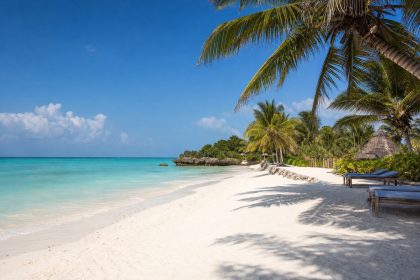
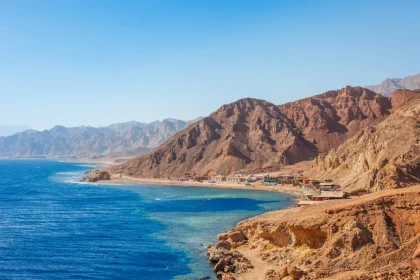
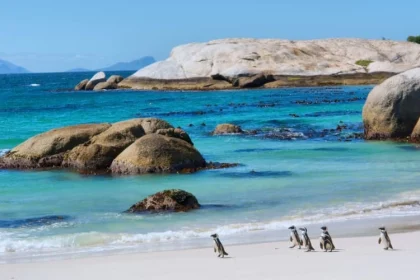
If you’re dreaming of a trip where wildlife spots along Kenyan beaches merge seamlessly with turquoise waters and powdery sands, you’re in the right place. Kenya’s coastline isn’t just about sun and surf—it’s a vibrant playground for turtles, dolphins, rare coastal birds, and even curious monkeys. Whether you’re an eco-adventurer, a family seeking unique encounters, or someone wanting to blend safari thrills with seaside serenity, this hidden gem offers unforgettable moments just steps from the ocean. Ready to discover where to find Kenya’s best marine parks, coastal forests, and wildlife hotspots? Let’s dive in!
Why Kenya’s Beaches Are Perfect for Wildlife Viewing
If you’ve experienced Kenya’s famous inland safaris, you might be surprised to learn that the coastline offers an entirely different, yet equally thrilling wildlife experience. Unlike the savannah’s big game, Kenya’s beaches and marine national parks showcase vibrant marine ecosystems, flourishing coral reefs, and lush coastal forests that support unique wildlife you won’t find inland.
Along the Kenyan coast, more than 250 fish species dart through crystal-clear waters. You can also spot endangered species like green and hawksbill turtles nesting on the beaches. Dolphins and even majestic whales cruise these waters seasonally, while colorful coastal birds and mammals thrive in the nearby forests.
For the best chance of clear water and peak wildlife sightings, plan your visit during the dry seasons: June to October and January to February. These months offer calm seas perfect for snorkeling and boat safaris.
When enjoying these natural wonders, remember to keep your impact low:
Choose ethical snorkeling and diving tours led by trained guides
Support local conservation projects and marine parks
Keep a respectful distance from wildlife, especially nesting turtles and dolphins
By following these tips, you help protect Kenya’s incredible coastal biodiversity and ensure these wildlife spots remain vibrant for years to come.
Top Marine Wildlife Spots Along Kenyan Beaches
Kenya’s coastal marine parks are some of the best places to experience rich marine wildlife. Watamu Marine National Park is easily accessible and famous for its green and hawksbill turtles, playful dolphins, and even the elusive whale sharks. The park’s vibrant coral gardens make it a hotspot for snorkeling and diving, while glass-bottom boat tours offer a great way to explore without getting wet.
Nearby, Malindi Marine National Park offers excellent reef exploration with an abundance of colorful fish and turtle sightings. Seasonal humpback whales pass through these waters, making it a prime spot for whale watching. For those interested in deep-sea fishing or snorkeling, Malindi delivers fantastic marine biodiversity right off the coast.
Further south, Kisite-Mpunguti Marine Park near Wasini Island is a must-visit for spotting bottlenose and spinner dolphins alongside sea turtles. With over 250 fish species, this marine park offers pristine reefs perfect for snorkeling trips and dhow cruises, combining wildlife viewing with scenic coastal experiences.
If you plan your visit right, these parks will bring Kenya’s coastal marine wonders to life.
Coastal Forests and Terrestrial Wildlife Near Beaches
Kenya’s coastline is not just about marine life — the coastal forests nearby offer rich terrestrial wildlife experiences too. Arabuko-Sokoke Forest, one of the largest coastal forests in Kenya, is a hotspot for rare endemic birds, including some you won’t find anywhere else. Along with vibrant butterflies, visitors often spot the elusive golden-rumped elephant shrew, plus troops of black-and-white colobus and vervet monkeys.
Another beautiful gem is the Kaya Kinondo Sacred Forest, the last remnant of coastal jungle on the south coast. It’s home to black-and-white colobus monkeys and vervet monkeys as well. Beyond wildlife, Kaya Kinondo holds immense cultural significance for the local communities. Guided walks here allow you to explore both its natural and cultural heritage respectfully.
For those based near Diani Beach, the Shimba Hills National Reserve makes a perfect day trip. This forested hill area is known for its unique blend of wildlife, from sable antelope to elephants, giraffes, and elusive leopards. The mix of forest and open grassland sets it apart from typical inland safaris, offering a different but equally thrilling wildlife encounter close to the coast.
These coastal forest wildlife spots complement your marine park visits, enriching your Kenya beach trip with both underwater and terrestrial nature wonders.
Other Notable Beachside Wildlife Experiences
The Diani Beach area is a great spot to see lively monkey troops playing in the beachfront scrub. You might also catch a glimpse of turtle nesting along its sandy shores during the right season, a magical sight for wildlife lovers. Just north, the Mombasa Marine National Park offers vibrant reef fish and even delicate seahorses close to the city’s beaches, making it easy to enjoy marine life without straying far from urban comforts. Further up the coast, the Lamu Archipelago features dense mangroves that shelter crocodiles and a variety of coastal birds. Its quiet, secluded beaches are perfect for spotting dolphins in their natural habitat, adding an extra thrill to your coastal adventures. These highlights show why Kenya’s beachside wildlife experiences go beyond the usual, combining marine and terrestrial wonders along its shores.
Activities for Wildlife Enthusiasts on the Coast
Kenya’s coastline is a playground for wildlife lovers, offering a variety of activities to connect with the diverse marine and coastal ecosystems.
Snorkeling and diving hotspots: Explore vibrant coral reefs teeming with marine life at spots like Watamu Marine National Park and Kisite-Mpunguti Marine Park. These areas offer clear waters filled with colorful fish, sea turtles, and even whale sharks during certain seasons.
Birdwatching: The coastline hosts over 400 species of birds, including migratory shorebirds that use Kenya’s beaches and coastal forests as critical stopovers. Arabuko Sokoke Forest is a top location for spotting rare endemic birds alongside coastal birdlife.
Turtle conservation: Join guided visits to the Watamu Turtle Watch and other turtle nesting sites along the Kenyan beach turtle nesting areas. These programs offer unique insights into the protection of endangered green and hawksbill turtles.
Boat safaris and sunset dhow trips: Take a traditional dhow cruise to spot pods of bottlenose and spinner dolphins, or catch sightings of humpback whales along the coast. These trips provide excellent opportunities for dolphin spotting Kenya’s sparkling waters.
Combining with short inland excursions: Many travelers combine their beach wildlife adventures with nearby forest and safari day trips, such as visits to Shimba Hills National Reserve or Arabuko Sokoke Forest, to enjoy both coastal and terrestrial wildlife.
For those planning their wildlife visits, checking out eco tours Kenyan beaches offer can enhance your experience with knowledgeable guides and responsible travel practices. For insights into similar marine wildlife watching destinations, exploring high-quality guides on wildlife watching in coastal regions like Albanian coasts might offer useful ideas for your trip.
Practical Tips for Your Visit
Getting There
The easiest way to reach Kenya’s coastal wildlife spots is by flying into Mombasa or Malindi airports. Both offer good connections to major cities. From there, you can arrange transfers or rent a car to access marine parks and beachside reserves. Many lodges and tour operators also provide airport pickups for convenience.
Accommodation Choices
Depending on your preference, you can stay at eco-lodges located near Kenya coastal marine parks like Watamu or Kisite-Mpunguti, which offer immersive nature experiences and support conservation efforts. Alternatively, luxury beach resorts along Diani Beach and Malindi provide comfort with easy access to snorkeling, diving, and wildlife tours. Choosing eco-friendly accommodation goes a long way in protecting the coastal environment.
Conservation Notes
When visiting, it’s crucial to support protected areas by paying park fees and following local guidelines. Avoid single-use plastics to keep the beaches and reefs clean, and choose ethical tours that prioritize wildlife wellbeing. These small actions help maintain the unique biodiversity found along Kenya’s shores.
Safety and Sustainability Guidelines
Always follow safety instructions on snorkeling and diving trips.
Use reef-safe sunscreen to protect coral gardens.
Stick to marked trails in coastal forests to avoid disturbing wildlife habitats.
Respect local communities and wildlife; avoid feeding animals or disturbing nesting turtles.