Thriving shark populations (hammerhead, oceanic whitetip) and dugongs
Coral Health
Moderate, recovering from past damage
Generally healthier and more diverse
Diving Style
Reef & wreck exploration
Pelagic encounters, shark action
Marine Highlights You Can’t Miss
Sharks: Encounter majestic hammerheads and the rare oceanic whitetip sharks.
Turtles & Dugongs: Graceful sea turtles glide among reefs; dugongs frequent southern bays like Abu Dabbab.
Schools of Fish & Corals: Rainbow coral gardens teem with vibrant fish, making every dive a colorful spectacle.
Whether you’re exploring the wrecks in the northern Red Sea or chasing pelagics in the south, Egypt’s Red Sea offers an immersive diving experience rich in marine biodiversity and spectacular underwater landscapes.
Essential Planning Guide for Diving Gems in Egypt’s Red Sea
The Red Sea is a fantastic year-round diving destination, but the best times to dive are generally from March to May and September to November. These months bring calmer seas and better chances of spotting big pelagics like hammerhead sharks and oceanic whitetips, making your underwater experience even more memorable.
When it comes to access, you can choose from several dive options depending on your preferences and experience level:
Resort-based day trips are perfect for easy access to popular sites.
Shore diving suits those who prefer flexibility and budget-friendly options.
Liveaboards offer the advantage of reaching remote, less-visited spots like the Brothers Islands or Daedalus Reef, giving you access to unique marine life.
Popular diving hubs include Sharm El Sheikh, known for its dramatic walls; Hurghada and Dahab, offering diverse reefs and wrecks; and Marsa Alam, famous for its healthy coral gardens and pelagic encounters.
For beginners, it’s important to have the right certifications—Open Water Diver or equivalent—and to stick to shallower, sheltered sites, especially around Dahab or Abu Dabbab Bay. Advanced divers can explore deeper wrecks like the SS Thistlegorm or drift dives in the Straits of Tiran but should be comfortable with currents and variable depths.
Safety tips include:
Always check local currents before diving.
Make sure your gear is suited for warm Red Sea waters but prepare for occasional chilly thermoclines at depth.
Dive within your limits and consider guided dives in challenging areas.
Planning carefully will ensure you get the most out of the stunning Red Sea dive sites Egypt has to offer. For more insights on combining diving adventures with cultural exploration, you might find tips about cultural dives in Indonesia inspiring for your overall travel plans.
Top Diving Gems in the Northern Red Sea
The northern Red Sea offers some of Egypt’s most iconic dive sites, each with its own unique appeal. The SS Thistlegorm wreck is a must-see for history buffs and divers alike, with its well-preserved WWII cargo and vibrant fish life swimming through the holds. Nearby, Ras Mohammed National Park, including Shark and Yolanda Reefs, boasts colorful walls covered in gorgonians and scattered wreck debris, creating a spectacular underwater landscape.
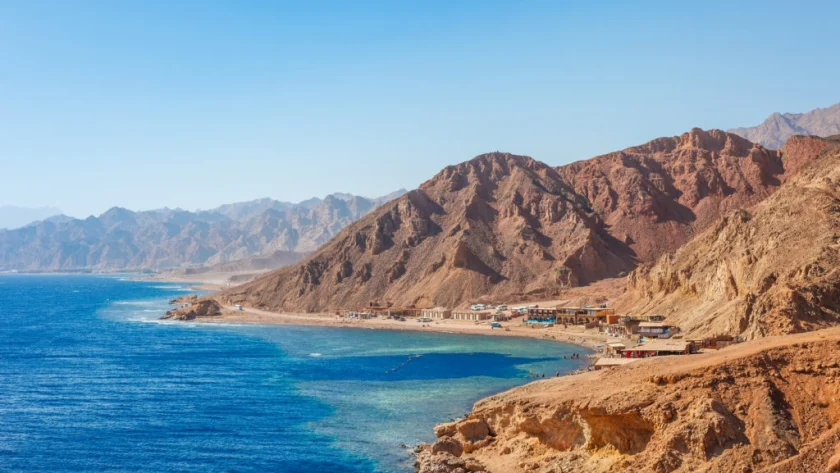
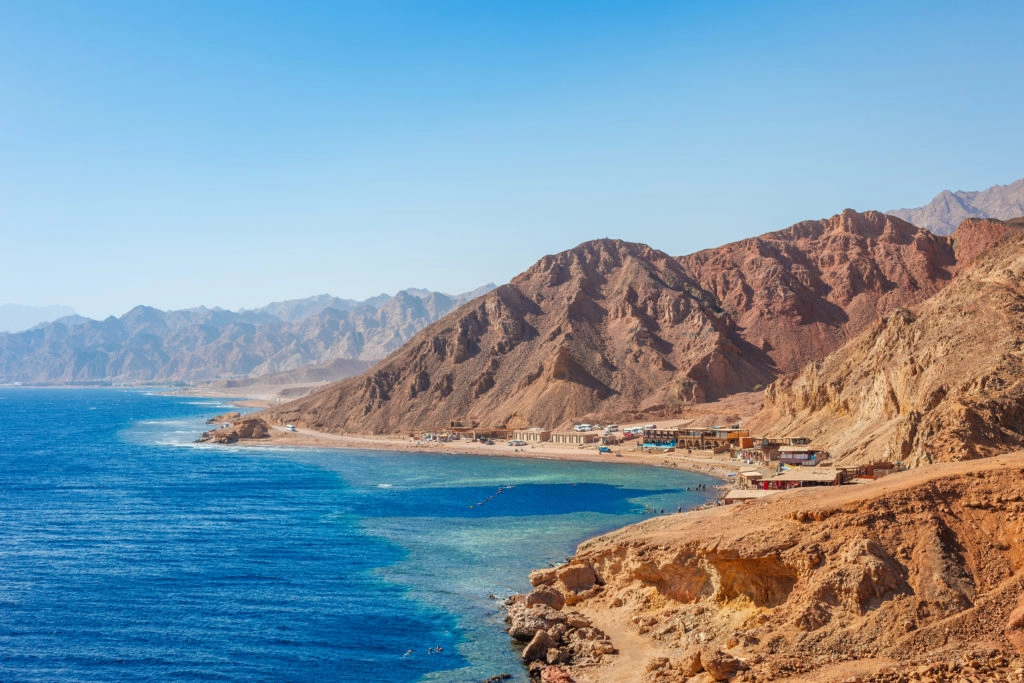
For those who love drift diving, the Straits of Tiran—featuring Jackson, Gordon, Thomas, and Woodhouse Reefs—offer thrilling currents, dramatic canyons, and frequent pelagic sightings. Over in Dahab, the Blue Hole is famous worldwide for its deep descents, an impressive arch, and challenging conditions, perfect for experienced divers looking for a thrill.
Finally, the Dunraven wreck is an accessible, upside-down steamship covered in marine encrustations, offering a fascinating site close to the shore. These northern Red Sea dive spots are perfect for both wreck enthusiasts and reef lovers seeking diverse marine life in clear waters.
Hidden and Iconic Gems in the Southern Red Sea
The southern Red Sea holds some of Egypt’s best diving gems, often less crowded but equally spectacular. Elphinstone Reef is a top spot thanks to its long plateau attracting oceanic whitetips, hammerhead sharks, and vibrant soft corals—an absolute must for shark lovers. Nearby, the Brothers Islands offer remote pinnacles teeming with thresher and hammerhead sharks, set against stunning vertical walls that make every dive unforgettable.
For those after big pelagic action, Daedalus Reef is a famous offshore hotspot where hammerhead sharks patrol and manta rays gather at cleaning stations. If you prefer calmer dives, Abu Dabbab Bay is perfect for spotting gentle residents like dugongs, turtles, and guitar sharks amidst easy-going coral gardens.
Further south, the Fury Shoals and St. John’s Reefs form a maze of caverns and channels where you might even swim alongside dolphins. These areas are prized for their healthy hard coral formations and diverse marine life, offering a peaceful yet thrilling diving experience.
If you want to explore remote Egyptian dive sites beyond the usual, the southern Red Sea has plenty of hidden treasures to discover. For liveaboard options to these spots, check out popular Red Sea liveaboard trips that focus on southern routes, providing access to pristine reefs and abundant marine life.
Underrated Gems and Off-the-Beaten-Path Spots
For divers looking to escape the busiest sites, the Red Sea offers some underrated gems that are well worth exploring. Dolphin House (Sha’ab Sataya) is famous for wild dolphin encounters in sheltered lagoons, providing a rare chance to swim alongside these playful mammals in their natural habitat.
Further offshore, Rocky and Zabargad Islands offer stunning dramatic drop-offs and thriving turtle populations, all with far fewer crowds than the main tourist spots. These islands are perfect for those wanting a more tranquil, intimate dive experience surrounded by pristine marine life.
Another hidden treasure is the Panorama Reef and Abu Nuhas Wreck Graveyard. Panorama Reef dazzles with colorful coral gardens, while Abu Nuhas is a must-visit for wreck enthusiasts, featuring multiple historic shipwrecks scattered across its waters. These lesser-known locations add variety to any Red Sea diving itinerary and showcase the region’s vast underwater diversity.
For a fantastic mix of reefs and wrecks, these spots are a great complement to more popular Red Sea dive sites in Egypt. They also pair well with liveaboard trips that venture beyond the usual routes to reveal the Red Sea’s quieter side.
(If you’re interested in adventure diving beyond the Red Sea, also check out some great options like the adventure diving spots in Croatia for a completely different marine experience.)
Practical Tips for an Unforgettable Trip
When planning your dive adventure in Egypt’s Red Sea, choosing between liveaboards and resort-based diving is key. Liveaboards are perfect for reaching remote gems like the Brothers Islands or Daedalus Reef, offering access to pristine sites often missed on day trips. On the other hand, resorts based in Sharm El Sheikh, Hurghada, or Marsa Alam provide easy shore diving and convenient day trips to popular spots like Ras Mohammed and the Straits of Tiran.
Conservation is crucial for keeping the Red Sea’s ecosystems thriving. Always avoid touching or standing on corals, maintain good buoyancy to prevent accidental damage, and respect marine park rules to support these fragile environments. By diving responsibly, you help protect hotspots such as Elphinstone Reef’s shark populations and the vibrant coral gardens at Fury Shoals.
Packing smart can make all the difference underwater. Extra weights may be necessary due to the Red Sea’s higher salinity, and bringing good camera gear will help you capture the region’s colorful corals, schools of fish, and majestic creatures like hammerhead sharks or dugongs at Abu Dabbab. Don’t forget a reliable dive computer and backup safety equipment for currents and deeper dives.
Finally, balance your scuba diving with some topside exploration. The Red Sea’s desert landscapes and ancient Egyptian sites nearby offer a rich cultural experience after your underwater adventures. For first-timer tips and broader travel advice, checking out detailed travel safety and preparation guides can help ensure a smooth, enjoyable trip.
For more on travel preparation, see our practical travel tips for first-timers.