Why Choose Eco-Tours in Madagascar’s Islands?
Are you wondering why eco-tours in Madagascar’s islands are a must for any nature lover? The answer lies in the islands’ unique biodiversity, the clear benefits of sustainable tourism, and the distinct experience islands offer compared to the mainland.
Unique Biodiversity to Discover
Madagascar’s islands are home to some of the world’s most fascinating wildlife:
| Wildlife Highlights | What to Expect |
|---|---|
| Lemurs | Endemic species found in forest reserves and coastal areas like Nosy Komba and Lokobe Reserve. |
| Chameleons | Stunning color changes and rare species spotted during guided walks. |
| Marine Life & Coral Reefs | Pristine coral reefs teeming with fish, turtles, and sometimes whale sharks around Nosy Be and Sainte Marie. |
This rare blend of creatures and ecosystems makes every moment exciting for eco-tourists.
Benefits of Sustainable Tourism in Madagascar
Choosing sustainable tourism Madagascar means you’re helping more than just the local economy. Your travel supports:
- Habitat protection through conservation projects.
- Community livelihoods by promoting local businesses and employment.
- Reduced environmental impact on fragile island ecosystems.
By joining eco-tours focused on sustainability, you help keep these habitats pristine for generations.
Islands vs. Mainland: Why Choose the Islands?
| Aspect | Islands | Mainland |
|---|---|---|
| Beaches | Pristine, less crowded white sands | More accessible but often busier |
| Access | Easier island hopping routes | Longer drives, often bumpy roads |
| Crowds | Fewer tourists, serene experiences | More visitors, especially near national parks |
Islands like Nosy Be and Sainte Marie provide easier access to remote spots with a tranquil atmosphere, perfect for immersive eco-tours without the crowds.
With Madagascar’s islands, you get a front-row seat to some of nature’s rarest spectacles, all while supporting sustainable travel that protects this incredible treasure. Ready to explore?
Top Island Destinations for Eco-Tours
Madagascar’s islands offer some of the best eco-tour experiences, each with its own unique appeal.
Nosy Be, known as the “Perfume Island” for its fragrant ylang-ylang plantations, is a hotspot for biodiversity. Here, you can explore the Lokobe Reserve, a protected area full of endemic lemurs and chameleons. Nosy Be also offers excellent whale watching between July and September and vibrant snorkeling around coral reefs, making it a prime choice for Madagascar ecotourism.
Nearby, Nosy Komba and its surrounding archipelago are perfect destinations for close lemur encounters and exploring volcanic landscapes. The quieter atmosphere compared to Nosy Be lets you enjoy peaceful hikes and authentic wildlife spotting.
For a blend of nature and culture, Sainte Marie (Ile Sainte-Marie) is famous for its whale watching season from July to October. This island also has a rich pirate history and is home to numerous eco-lodges that emphasize sustainable tourism Madagascar travelers appreciate.
If you’re after remote adventures, the Masoala Peninsula and Nosy Mangabe bring you where rainforest meets ocean. This area offers dense rainforest trails alongside pristine beaches, ideal for wildlife spotting and immersive eco experiences.
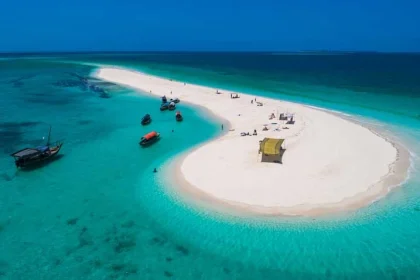
Don’t miss the lesser-known gems like Nosy Iranja, Nosy Sakatia, and Tsarabanjina. These islands provide secluded marine experiences with crystal-clear waters and healthy coral reefs, great for ethical snorkeling Madagascar tourists seek.
To explore similar island-hopping adventures but in a different region, you might find inspiration in the detailed tips on island adventures like those in island hopping in Malta.
Each of these destinations highlights the best of Madagascar’s biodiversity and sustainable travel opportunities, making them ideal for eco-conscious visitors.
Must-Do Eco-Friendly Activities in Madagascar Islands
Madagascar ecotourism offers a rich mix of activities that keep nature and culture front and center. For wildlife spotting, lemur trekking is a must—explore trails early morning or join guided night walks to spot nocturnal species. Birding is also rewarding, with many endemic species found in sacred forests and reserves.
Marine adventures are equally exciting. Take part in ethical snorkeling and diving around coral reefs where marine conservation Madagascar efforts keep underwater life thriving. Encounters with gentle giants like whale sharks or humpback whales during the whale watching Nosy Be season add unforgettable highlights.
For those who love hiking, numerous rainforest trails await, such as on Nosy Mangabe or Masoala Peninsula. These walks often lead through pristine protected areas where you can join beach clean-ups that support local conservation.
Lastly, cultural immersion rounds out the experience. Visit local fishing villages to learn traditional methods and connect with the community. These respectful visits support sustainable tourism Madagascar and often include demonstrations of age-old fishing techniques or crafting.
Together, these activities make eco-tours in Madagascar’s islands rewarding for both travelers and the environment. For wider coastal adventures, you might also appreciate other destinations highlighted in this guide to top beach markets and cultural spots along the Indian Ocean.
Recommended Eco-Tour Itineraries
For those eager to explore Madagascar’s islands deeply, there are several eco-tour itineraries that balance wildlife, culture, and relaxation.
7-10 Day Nosy Be Base
Start with Nosy Be as your base. Spend days island hopping to nearby gems like Nosy Komba and Lokobe Reserve, enjoying lemur watching Madagascar-style and snorkeling in vibrant coral reefs. This itinerary blends active wildlife tours with plenty of downtime on pristine beaches, making it perfect for first-time eco travelers.
10-14 Day Multi-Island Adventure
Extend your trip from Nosy Be to Ile Sainte-Marie, adding whale watching Nosy Be and Sainte Marie whale tours during peak seasons (July-September). This journey offers a fantastic mix of marine biodiversity and cultural heritage, including the island’s pirate history. You can also plan a short mainland extension for a broader Madagascar biodiversity tours experience.
Extended Adventures with Mainland Combo
For more adventurous travelers, combine island hopping with inland ecotourism destinations. Pair Nosy Be with the Masoala Peninsula or Andasibe, where you can explore lush rainforests, unique wildlife, and engage in conservation activities. These diverse ecosystems provide a deeper look into Madagascar ecotourism.
No matter the itinerary, choosing responsible travel Madagascar options ensures your visit supports local conservation efforts and communities. Exploring with eco lodges Nosy Be or sustainable operators helps maintain the delicate balance of these incredible habitats.
Choosing Responsible Tour Operators and Accommodations
When planning eco-tours in Madagascar islands, picking the right tour operator is key to a truly responsible experience. Look for companies that employ local guides who know the terrain and wildlife well, ensuring authentic encounters while supporting the community. Ethical operators also contribute to conservation efforts, such as funding reforestation or protecting fragile habitats.
Eco-lodges play a big part in sustainable tourism Madagascar. The best ones are solar-powered, use eco-friendly materials, and are often community-owned, meaning your stay directly benefits locals. Staying at such accommodations helps reduce your environmental footprint and encourages better practices across the industry.
Be cautious of tours that seem overcrowded or those that allow activities like feeding wildlife—these can harm animal behavior and the ecosystem. Choosing operators who prioritize respectful wildlife interactions and low-impact travel ensures you’re making a positive difference on your Madagascar biodiversity tours.
For tips on responsible travel and avoiding common pitfalls, you can check out our detailed guide on travel tips for first-time eco-tourists, which also includes advice relevant to eco tours in Madagascar.
Best Time to Visit and Practical Tips
For eco-tours in Madagascar islands, the dry season from April to November is the best time to visit. This period offers excellent wildlife spotting opportunities, with lemurs, chameleons, and birds more active and easier to find. If your focus is on whale watching, plan your trip between July and September when humpback whales migrate near Nosy Be and Sainte Marie.
When packing, bring lightweight, breathable clothing, insect repellent, sturdy hiking shoes, and reef-safe sunscreen to protect coral reefs during snorkeling or diving. Stay up to date on vaccinations and carry a basic first aid kit to ensure health and safety throughout your adventure. Always aim to minimize environmental impact by using reusable water bottles, avoiding single-use plastics, and respecting local wildlife habitats.
Most visitors fly into Nosy Be’s Fascene Airport, the main gateway for Madagascar island hopping tours. From there, sustainable transport options like local boats or eco-friendly transfers can help reduce your carbon footprint while traveling between islands.
For more insights on practical travel tips, check out this helpful guide on how to take the best photos to capture your Madagascar wildlife adventures responsibly.
How Eco-Tourism Supports Conservation in Madagascar
Eco-tourism plays a vital role in protecting Madagascar’s unique ecosystems. Many community reserves have been established thanks to sustainable tourism efforts, helping conserve endangered species like lemurs and rare chameleons. Reforestation projects, often funded by eco-tour operators and travelers alike, restore vital habitats that have been damaged by deforestation.
Travelers on eco-tours in Madagascar can contribute directly by choosing responsible operators who support local conservation programs. Offsetting your carbon footprint, participating in habitat restoration activities, or donating to marine conservation Madagascar initiatives are excellent ways to make a positive impact. Supporting community-based tourism also helps improve local livelihoods, creating a strong incentive to protect the island’s biodiversity for generations to come.