Tonga’s coastal cultural sites hold a special place in the islands’ rich heritage, shaped intimately by the ocean that surrounds them. The sea is more than just a backdrop—it’s a living force in Tongan culture. From ancient navigation techniques that allowed Polynesians to voyage across vast Pacific distances, to captivating ocean myths and legends, the shoreline is where history and daily life blend seamlessly.
Geography plays a key role in this heritage. Many of Tonga’s ancient settlements and Tonga historical sites are found on coral limestone formations near lagoons and white-sand beaches, where the environment provided both sustenance and spiritual connection. This natural setting influenced architectural styles, such as the use of coral stone in monumental constructions like the Ha’amonga ‘a Maui trilithon. Coastal sites offer easy accessibility and breathtaking views, often framed by dramatic natural features like blowholes and shimmering lagoons, creating a sensory experience unique from inland locations.
In contrast to the island’s interior, where cultural landmarks tend to be more secluded and surrounded by lush vegetation, the shores invite a dynamic interaction with nature. Here, heritage is not only preserved in stone and artifact but is also alive within the rhythms of tides, the calls of seabirds, and the warmth of the sun on sandy shores. This vibrant fusion of natural beauty and deep history makes Tonga’s coastal cultural sites truly stand out.
Top Cultural Sites on Tongatapu’s Shores
Tongatapu’s coastal heritage offers some of the most iconic Tonga historical sites tied closely to the sea. The Ha’amonga ‘a Maui Trilithon near Niutoua stands out as a striking coral stone gateway. This ancient monument is steeped in legends about the demigod Maui and is believed to have astronomical significance, aligned with the sun during solstices. Its location near Tongatapu’s eastern beaches adds to its majestic seaside ambiance.
Not far from there, the Lapaha Royal Tombs (Langi) in Mu’a are imposing stepped pyramids built as burial sites for the powerful Tu’i Tonga dynasty. These Langi burial mounds in Tonga rest close to lagoons and coastal villages, where they remain sacred and respected by locals today.
Further along the eastern shore is the Nukuleka Lapita Settlement, one of Polynesia’s earliest known archaeological sites. This coastal spot reveals ancient shellfish middens and pottery shards, offering a rare glimpse into early Tongan life and migration.
In Nuku’alofa, the Royal Palace and Waterfront provide a more recent but no less significant cultural landmark. The Victorian-style architecture on the northern coast mirrors Tonga’s modern monarchy, with splendid views over the harbor showcasing the island’s ongoing connection to the sea.
Lastly, the Captain Cook Landing Site at Mu’a lagoon holds great historical importance, marking the first recorded European contact with Tonga. Nearby, natural wonders like blowholes and sandy beaches complement the cultural experience, blending history with Tonga’s stunning coastal landscape. These locations create a vibrant link between Tonga’s past and natural maritime heritage.
For those interested in exploring coastal cultural festivals and scenic views, similar to what you find on other vibrant shores, check out inspiring cultural festivals by Baltic beaches and their coastal celebration styles.
Coastal Heritage Beyond Tongatapu
Beyond Tongatapu, the Ha’apai Group offers rich coastal cultural sites like the Velata Mound Fortress near Lifuka Island. This site reflects early Tongan chiefly history and the community’s encounters with foreign explorers. Along the shores, memorials and ancient remains connect visitors to the deep-rooted heritage of the islands.
Other island highlights include important cultural landmarks on the beaches of Vava’u and ‘Eua, such as ancient mounds and landing plaques that mark significant historical events. These coastal sites continue to represent Tonga’s maritime heritage and are vital for understanding the broader Polynesian archaeological sites across the kingdom.
For those interested in exploring cultural sites connected to island shores, these locations provide a unique look at how geography and history intertwine along Tonga’s beautiful coasts.
(For travel enthusiasts looking to combine cultural adventures with scenic island hopping, destinations like the historic beaches of Turkey show similar coastal cultural significance.)
Visiting Tips for Coastal Cultural Exploration
The best time to explore Tonga’s coastal cultural sites is during the dry season, from May to October. This period offers comfortable weather and the added bonus of whale-watching right from the shore. To get there, most travelers fly into Fua’amotu International Airport on Tongatapu, then use local ferries or rent a car to easily reach key cultural landmarks along the coast.
When visiting Tonga’s historical sites, remember to respect local customs—dress modestly and always ask permission before entering sacred areas. Joining guided tours can provide richer insight into the significance of places like the Ha’amonga ‘a Maui trilithon or Lapaha royal tombs, while also supporting knowledgeable local guides. Combining your visits with beach time, snorkeling, or exploring nearby blowholes makes for a balanced and immersive cultural experience.
Sustainable travel matters here. By supporting local communities and preserving these living heritage sites, visitors help maintain Tonga’s unique coastal landmarks for future generations.
Cultural Immersion Experiences Near the Shores
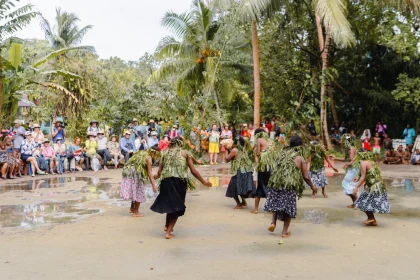
Experiencing Tonga’s coastal cultural sites goes beyond sightseeing—it’s about diving into living traditions that still shape daily life. Near many historical sites, you can join traditional ceremonies, witness authentic kava sessions, or enjoy communal feasts where storytelling and local music bring the past to life. These gatherings are often held close to the shore, letting you soak in the natural beauty while connecting with Tongan heritage.
Pair your visits to iconic landmarks like the Ha’amonga ‘a Maui trilithon or the Lapaha royal tombs with hands-on cultural activities. Many community centers and local guides offer tapa cloth-making demonstrations and show how the unique bark fabric is crafted using age-old techniques. Another highlight is sharing an umu meal, where food is slow-cooked underground, often right by the lagoon—offering a taste of traditional flavors deeply tied to the islands’ coastal lifestyle.
These immersive experiences reveal how Tonga’s shoreline cultural sites are more than just historical markers. They remain vibrant hubs of identity, where past and present mingle, illustrating the enduring bond between the Tongan people, their ocean, and their heritage. For travelers keen on authentic encounters, exploring these coastal cultural experiences provides a richer understanding of Tonga’s unique identity and the subtle ways traditions continue to thrive.
If you’re interested in exploring other island cultures connected to their shores, similar immersive experiences can be found in places like Bali, adding context to the wider Pacific and Asian coastal heritage landscape. For insights into cultural dives beyond Tonga’s reefs, check out vibrant cultural scenes aboard the hidden gems of Bali shores.