Understanding the Marshall Islands Atolls: Ratak and Ralik Chains
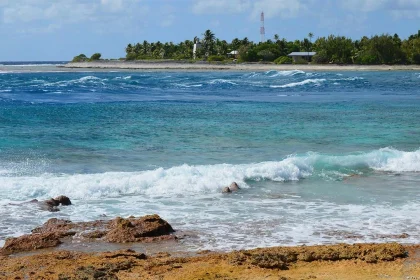
Have you ever wondered what makes some atolls in the Marshall Islands truly secluded? The Marshall Islands are made up of 29 atolls grouped mainly into two chains: the Ratak (eastern) and Ralik (western) chains. Each chain hosts a mix of inhabited and uninhabited islands, but what sets apart the remote Marshall Islands atolls is their low population, limited access, and undisturbed ecosystems.
Secluded atolls here mean places with minimal development, few residents, and rich marine biodiversity—perfect if you’re after pristine coral reefs and quiet lagoons. Unlike Majuro, the capital and main hub of the Marshall Islands known for its accessibility and amenities, these outer islands offer a completely different vibe: untouched, peaceful, and ideal for nature lovers seeking hidden Pacific paradises.
In essence, secluded atolls are defined by:
Sparse human presence
Difficult or infrequent transport connections
Thriving, often protected, marine environments
Traditional Marshallese culture remaining strong due to limited outside influence
If you’re looking to escape the crowds and dive into authentic, off-the-beaten-path Micronesia, understanding this layout sets the stage for exploring the best remote spots.
Top Secluded Atolls to Explore
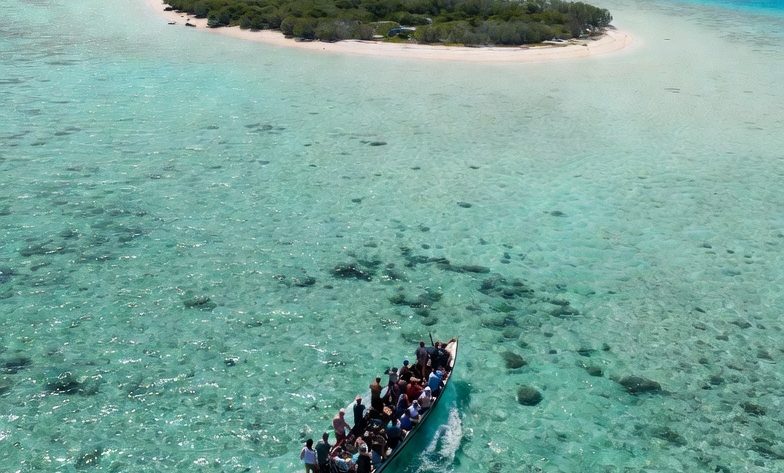
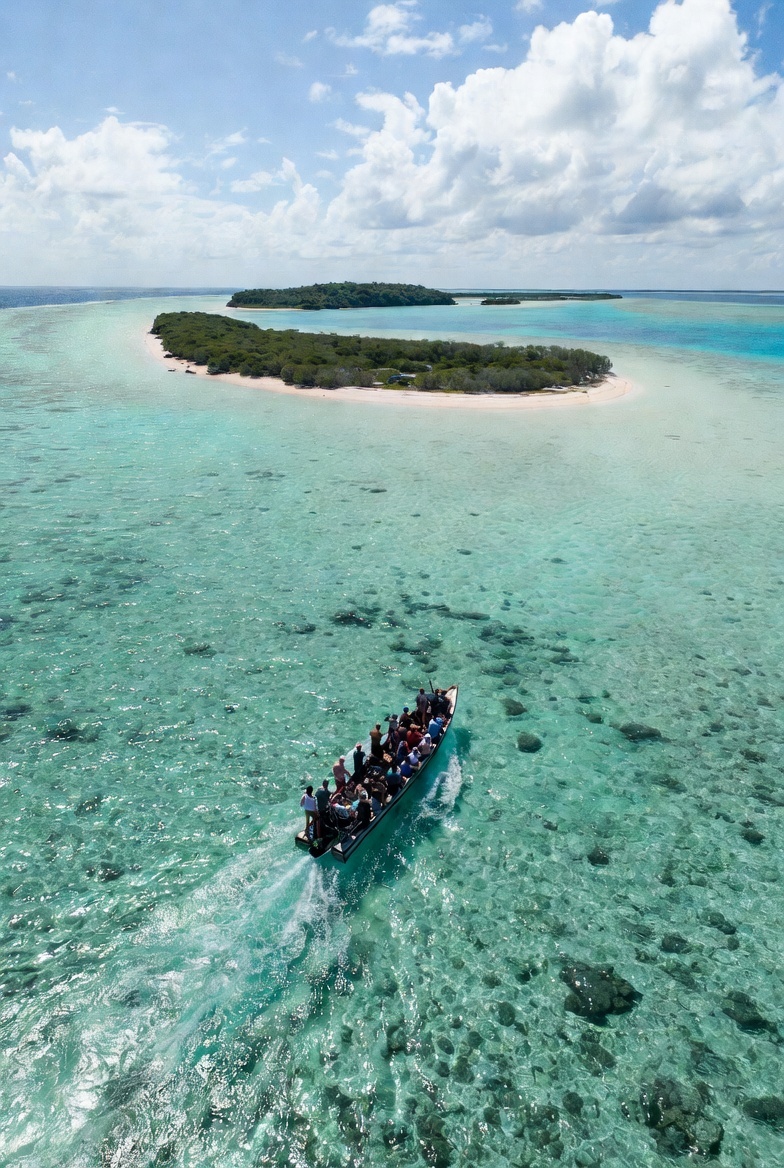
If you’re looking for remote Marshall Islands atolls that offer peace and untouched beauty, several gems stand out. Arno Atoll is close to Majuro but feels worlds away with its pristine beaches, clear lagoons, and authentic Marshallese village life. It’s perfect for those seeking tranquility without sacrificing accessibility.
Further north, the truly remote Bikar and Bokak (Taongi) Atolls represent some of the most secluded spots in the Pacific. These arid atolls host thriving seabird colonies and boast untouched coral reefs, recently protected as a marine sanctuary. Their isolation preserves pristine coral reefs Marshall Islands enthusiasts dream about.
Then there’s Ailinginae and Rongelap Atolls, known for crystal-clear waters and ongoing ecological recovery after historical events. These spots are ideal for eco-diving, offering opportunities to see vibrant marine biodiversity and observe important turtle nesting Marshall Islands sites.
Bikini Atoll is world-famous for its underwater WWII wrecks, drawing divers keen on exploring sunken history amid thriving reefs. Visits here are limited, enhancing the allure of this secluded dive paradise.
Other hidden Pacific paradises worth exploring include Erikub, Jemo, Taka, and Utrok, each a quiet haven for turtle habitats, giant clams, and exceptional birdwatching. These Marshall Islands outer islands maintain a low profile, perfect for those seeking off-the-beaten-path Micronesia adventures.
For those interested in exploring more unique and less known coastal locations, browsing through top hidden beaches in the Mediterranean offers fascinating contrasts in secluded beach experiences.
Activities in Secluded Atolls
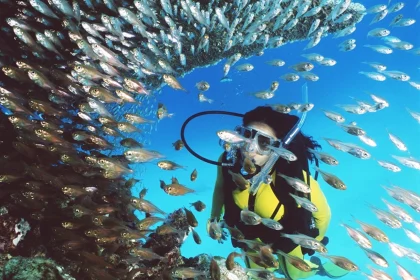
Secluded atolls in the Marshall Islands offer a range of activities perfect for nature lovers and adventure seekers. Snorkeling and diving here reveal vibrant coral reefs, untouched shipwrecks, and an impressive variety of marine species, especially in spots like Bikini Atoll diving sites. For those who prefer relaxing, beachcombing along endless white sands and swimming in calm lagoons provide peaceful downtime away from crowds.
Wildlife encounters are a major highlight—expect to see green sea turtles nesting on remote beaches, seabirds nesting in arid ecosystems, and rare species unique to these Pacific refuges. Cultural experiences are another rewarding aspect; visiting less-remote outer islands allows meaningful interactions with local Marshallese communities, offering insight into traditional lifestyles and customs.
For those interested in eco-friendly travel and exploring hidden Pacific paradises, these activities underscore the rich marine biodiversity and natural beauty that define the Marshall Islands’ remote atolls. You can also discover similar outdoor adventures in remote beach destinations through resources like this guide on top beach activities.
How to Get There and Practical Travel Tips
Most travelers arrive in the Marshall Islands through Majuro, the capital, which serves as the main hub via international flights, including the United Airlines Island Hopper. From Majuro, reaching the more secluded and remote Marshall Islands atolls involves coordination since transportation options are limited. You can take domestic flights to some outer islands, but many atolls are accessible only by boat or through organized tours. These journeys can be challenging, so planning ahead and preparing for variable schedules is essential.
The best time to visit these hidden Pacific paradises is during the dry season, from December to April, when seas are calm and ideal for lagoon snorkeling and boat travel between atolls.
Travelers should also be aware of permits and visa requirements depending on their nationality. Additionally, following sustainability guidelines and respecting local ecosystems is crucial, especially when exploring pristine coral reefs Marshall Islands are known for.
For detailed tips on preparing your trip to remote island destinations, check out this practical guide on how to prepare for your island adventure.
Conservation and Responsible Tourism
The secluded atolls in the Marshall Islands face several serious threats, including climate change, historical nuclear impacts, and overfishing. Rising sea levels and warming ocean temperatures put the fragile coral reefs and turtle nesting sites at risk, while the aftermath of nuclear testing still affects places like Bikini and Rongelap Atolls. Overfishing disrupts the delicate marine biodiversity that these remote Marshall Islands atolls depend on, threatening the pristine coral reefs and abundant wildlife.
To help protect these environments, there are designated protected areas such as the Bikar-Bokak sanctuary, established to preserve untouched reef systems and seabird colonies. These marine sanctuaries play a crucial role in maintaining the health of the outer islands’ ecosystems and supporting sustainable eco-tourism initiatives like those found in Rongelap Atoll.
When visiting these hidden Pacific paradises, it’s important to travel responsibly:
Support local guides to ensure your visit benefits the community.
Avoid single-use plastics to keep beaches and waters clean.
Follow all sustainability guidelines to minimize your impact.
Respect wildlife habitats, especially turtle nesting sites scattered across the atolls.
By choosing a careful, low-impact approach, travelers help safeguard the unique marine biodiversity and natural beauty of the Marshall Islands, ensuring these remote atolls remain pristine for generations to come.