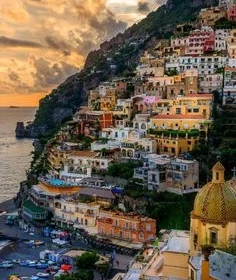
You’ve seen the photos. Pastel houses stacked on cliffs. Turquoise water. A winding road that looks like it was drawn by a drunk architect. But here’s the real question: is the Amalfi Coast worth the hype, the crowds, and the cost?
I’ve been three times. Once in August (mistake), once in late September (perfect), and once in April (surprisingly good). This guide gives you the exact reasons to go — and the specific timing, routes, and costs that make it work for a real trip, not a Instagram fantasy.
1. The Coastal Drive Is a Genuine Spectacle (If You Do It Right)
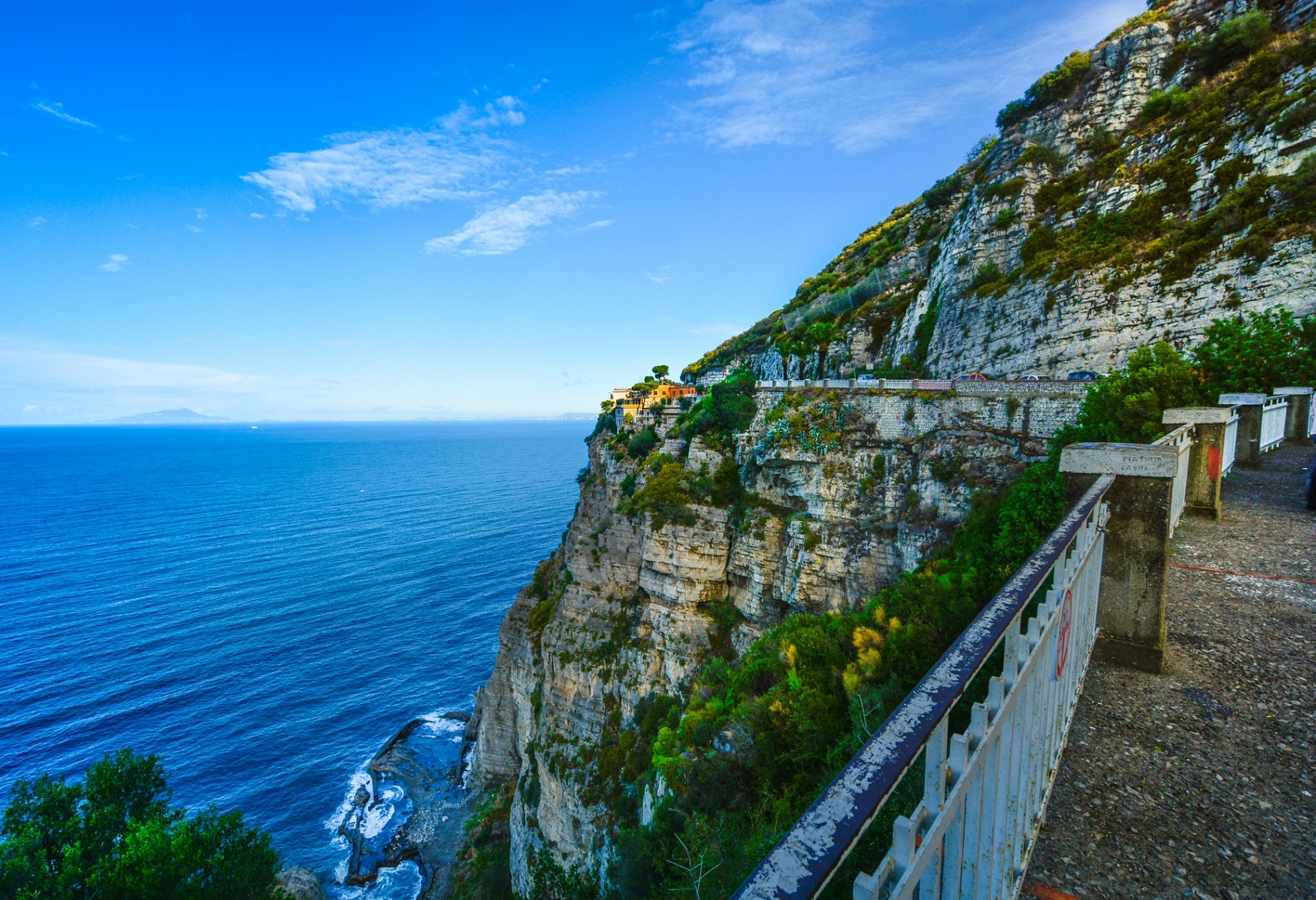
The SS163 Amalfi Drive runs 50 kilometers from Sorrento to Salerno. It’s a two-lane road carved into cliffs that drop straight into the Tyrrhenian Sea. Hairpin turns. Tunnels through rock. Views that make you forget to breathe.
But here’s what nobody tells you: driving it yourself is stressful. The buses are huge. The scooters are aggressive. Parking costs €30-€50 per day in Positano. I watched a German couple spend 45 minutes trying to parallel park a Fiat 500.
Do this instead: Take the SITA Sud bus (€2.60 per ride, runs every 30 minutes from Sorrento to Amalfi). Sit on the right side for the best views. Or book a private driver for €80-€120 from Naples — split it with 3 other people and it’s cheaper than renting a car.
When the Drive Gets Dangerous
July and August are brutal. The road clogs with traffic. A 20-minute drive becomes 90 minutes. Skip those months unless you enjoy heatstroke and honking.
The One Section You Cannot Miss
The stretch between Positano and Amalfi town. Specifically the Grotta dello Smeraldo (Emerald Grotto) viewpoint. Stop at the pull-off, walk 50 meters to the rail, and look down. You’ll see the sea change from deep blue to bright emerald green. No filter needed.
2. The Path of the Gods Is Free and Incredible
The Sentiero degli Dei (Path of the Gods) runs 7.8 kilometers from Bomerano to Nocelle. It sits 500 meters above the coast. You walk along a limestone ridge with the sea on one side and the mountains on the other.
It takes 3-4 hours at a normal pace. No special gear needed — just hiking shoes or sturdy sneakers. Water is essential. There’s one fountain at the start in Bomerano and nothing else until Nocelle.
Cost: €0. No entrance fee. No guide required. The trail is maintained by the local park authority and clearly marked with red-and-white CAI (Club Alpino Italiano) signs.
The Best Time to Walk It
Start by 7:30 AM in summer. By 10 AM the sun is directly overhead and there’s zero shade. In April or October, start at 9 AM. I walked it on October 12th last year — 22°C, clear skies, and maybe 20 other people on the entire trail.
What Goes Wrong on This Hike
Two things. First: people wear flip-flops. Don’t. The trail has loose gravel and sections of exposed rock. Second: people run out of water. Bring 1.5 liters minimum. There’s no shop, no vendor, no tap after the start.
3. The Towns Each Have a Specific Purpose — Pick Yours
Every Amalfi Coast town is different. Trying to see all of them in 3 days is a mistake. Pick based on what you actually want to do.
| Town | Best For | Average Hotel Night (June) | Beach Access |
|---|---|---|---|
| Positano | Views, shopping, nightlife | €250-€400 | Spiaggia Grande (pebble, crowded) |
| Amalfi | History, transport hub, cheaper | €150-€250 | Lido delle Sirene (sandy, paid) |
| Ravello | Quiet, gardens, classical music | €180-€300 | None (cliff town) |
| Praiano | Sunset views, fewer crowds | €120-€200 | Marina di Praia (small, quiet) |
| Vietri sul Mare | Ceramics, budget stays | €90-€150 | Marina di Vietri (free, sandy) |
My pick: Stay in Praiano. It’s quieter than Positano, cheaper, and has the best sunset views on the coast. You can walk to the Path of the Gods trailhead in 20 minutes. The bus to Amalfi takes 15 minutes and runs until midnight.
4. The Food Is Simple and Specific — Not Fancy
The Amalfi Coast doesn’t do complex Michelin-star cuisine. It does ingredients done right. Three things define the local food.
Limoncello. Made from Sfusato Amalfitano lemons. These are the size of your fist, thick-skinned, and intensely fragrant. Every nonna on the coast has a bottle in her freezer. A proper limoncello is served ice-cold, in a ceramic shot glass, after dinner. It costs €1-€2 at any restaurant. The mass-produced stuff in tourist shops is sugary garbage. Buy from a local producer — I like Antichi Sapori d’Amalfi in Amalfi town.
Seafood. The catch comes in at 6 AM. By noon it’s on your plate. Anchovies, sardines, octopus, and squid. The classic dish is spaghetti alle vongole (spaghetti with clams) — €12-€16 at a decent trattoria. Avoid places that advertise “fresh fish” at 2 PM. If they had fresh fish, they’d be sold out by 1 PM.
Delizia al limone. A sponge cake soaked in lemon syrup, filled with lemon cream, and topped with lemon glaze. It’s sweet, tart, and absurdly good. The best version comes from Pasticceria Pansa in Amalfi (€4.50 per slice).
The One Food Mistake Tourists Make
Eating on the main square in Positano. You pay €18 for a mediocre pizza because of the view. Walk 100 meters up any side street and the same pizza costs €9 and tastes better.
5. The Beaches Are Small and Mostly Pebble — Know What You’re Getting
This is where expectations crash into reality. The Amalfi Coast does not have long sandy beaches like the Maldives. It has small coves with pebbles and rocks. That’s not a bug. It’s a feature.
The water is clear because there’s no sand to stir up. You can see fish at 10 meters depth. The pebbles hurt your feet, so buy water shoes (€8 at Decathlon in Sorrento) before you go.
Best free beach: Marina di Vietri. Sandy, free, and 200 meters long. Bus from Amalfi takes 25 minutes (€1.60).
Best paid beach: Lido delle Sirene in Amalfi. €15 gets you a lounger and umbrella for the day. They have a bar, showers, and lockers. Worth it if you want comfort.
Best hidden beach: Duoglio Beach. 400 steps down from the Amalfi-Positano road. No facilities. No vendors. Just rocks and water. Bring everything you need.
When NOT to Go to the Beach
August 15th (Ferragosto). Every Italian goes to the beach on this day. The coast is packed. Hotels are full. Prices triple. If you’re booking for August, avoid that specific week.
6. The Lemon Groves Are an Entire World
Walk 15 minutes inland from any coastal town and you hit the lemon terraces. These are stone-walled platforms built into the mountainside, each one holding 10-15 lemon trees. The trees are trained onto pergolas made of chestnut wood and reeds. It looks like a green cathedral.
The Museo della Civiltà Contadina in Amalfi (€5 entry) explains the history. Farmers built these terraces by hand over 800 years. Each terrace required moving tons of rock and soil. The lemons were shipped to Northern Europe and Russia. This was the original “superfood” trade.
You can visit a working lemon grove at Le Perrciate in Maiori. They do a 90-minute tour (€15) that includes tasting limoncello and lemon cake. Book ahead — they take 12 people max per tour.
Why This Matters
The lemon groves are dying. Younger farmers don’t want to do the manual labor. Urbanization is eating the land. The terraces that survive only do so because of tourism. Every bottle of real limoncello you buy from a local producer is a vote for keeping this landscape alive.
7. You Can Avoid the Crowds Completely — Here’s How
The Amalfi Coast gets 5 million visitors per year. Most of them come June through August. They arrive at 10 AM, clog the main streets, take photos, eat, and leave by 5 PM.
You can avoid them with three specific tactics.
Tactic 1: Visit in the shoulder season. May and September are the sweet spots. Weather is 22-28°C. Water is warm enough to swim. Hotels cost 40% less than August. I paid €110 per night for a room in Praiano that cost €250 in July.
Tactic 2: Wake up early. The Path of the Gods at 7 AM has maybe 5 people. At 10 AM it has 200. The beach at 8 AM is empty. By 11 AM it’s shoulder-to-shoulder. Do your activities before 10 AM.
Tactic 3: Stay overnight. Day-trippers leave by 6 PM. The coast empties out. You get sunset, dinner, and the evening light to yourself. This is the single best reason to stay in a hotel rather than doing a day trip from Naples or Sorrento.
8. The Ferries Are Faster and More Fun Than the Road
The coastal road is slow. The ferries are not. Travelmar runs hydrofoils between all the main towns. Positano to Amalfi by road: 40 minutes in traffic. By ferry: 20 minutes. Cost: €8. Views: spectacular.
The ferry schedule runs from April to October. First boat at 8:30 AM, last boat around 7 PM (varies by season). Buy tickets at the dock kiosk — cash only at most stops.
Best ferry route: Positano to Salerno. 50 minutes. €12. You see the entire coast from the water. The cliffs look completely different from sea level. You can also spot the Villa Cimbrone gardens in Ravello from the boat — they’re the ones with the stone balconies hanging over the edge.
When the Ferries Stop Running
Bad weather cancels them. If the sea is rough (waves over 1.5 meters), the hydrofoils stay in port. Always have a backup bus plan. The SITA Sud buses run year-round, even in storms.
9. The Villas and Gardens Are Worth the Entry Fee
Two specific gardens justify their ticket price. Both are in Ravello.
Villa Rufolo (€7). Built in the 13th century. The gardens are small but perfectly arranged. A terrace overlooks the coast from 350 meters up. Richard Wagner visited in 1880 and said the view inspired the setting for his opera Parsifal. The garden hosts classical concerts in the summer (€30-€50 per ticket).
Villa Cimbrone (€10). Larger gardens. More paths. The highlight is the Terrazzo dell’Infinito (Terrace of Infinity) — a stone balustrade lined with marble busts that looks like it drops straight into the sea. It’s the most photographed spot on the coast for a reason. Go at 5 PM for golden hour light.
Both villas take 45 minutes to walk through. Do them on the same day — they’re 10 minutes apart on foot.
10. The Cost Is Manageable If You Plan Correctly
The Amalfi Coast has a reputation for being expensive. It can be. But it doesn’t have to be. Here’s a realistic budget breakdown for a 5-day trip in June.
| Item | Budget Option | Mid-Range Option | Luxury Option |
|---|---|---|---|
| Accommodation (per night) | €80 (Vietri, hostel) | €150 (Praiano, B&B) | €350 (Positano, hotel with sea view) |
| Meals (per day) | €30 (pizza, panini, street food) | €60 (trattoria lunch, restaurant dinner) | €120 (fine dining, wine pairings) |
| Transport (per day) | €5 (bus only) | €15 (bus + 1 ferry) | €50 (private driver or taxi) |
| Activities (total) | €10 (1 villa visit) | €30 (2 villas + lemon grove tour) | €80 (villas, boat tour, cooking class) |
| Total (5 days) | €475 | €1,025 | €2,050 |
The biggest cost saver: skip Positano as a base. Stay in Vietri or Maiori. Use the bus to visit Positano for a day. You save €100-€200 per night and lose nothing in experience.
The Amalfi Coast isn’t going anywhere. The cliffs will still be there in 2030. But the balance between tourism and local life is shifting. The farmers who tend the lemon terraces are aging. The bus drivers who navigate those hairpin turns are retiring. Go now. Go in the shoulder season. Walk the Path of the Gods. Eat a delizia al limone. And when you’re sitting on a pebble beach at 7 AM with the water lapping at your feet, you’ll understand why this place has drawn travelers for 2,000 years.