Japan pulls in roughly 32 million visitors annually, and the month you pick changes everything — from ¥30,000 hotel rooms to ¥80,000 ones, from empty temples to shoulder-to-shoulder crowds. This breakdown uses historical data on rainfall, tourist volume, and seasonal pricing to tell you exactly when to book. No fluff.
What Drives Japan’s Peak and Off-Peak Seasons?
Three factors control the calendar: weather, school holidays, and natural events. Cherry blossom season (late March to mid-April) and autumn leaves (November) are the two demand spikes. Golden Week (April 29–May 5) and Obon (mid-August) are domestic travel peaks that inflate prices 40–60%.
The cheapest months? January and February, excluding New Year’s week. Rainy season (tsuyu) runs June to mid-July across most of Honshu. Typhoon season hits August through October, mostly affecting Okinawa and southern regions.
Here’s the raw data for Tokyo, the most common entry point:
| Month | Avg Temp (°C) | Rainfall (mm) | Tourist Volume Index | Hotel Cost Index (¥10k=baseline) |
|---|---|---|---|---|
| Jan | 5 | 52 | 60 | 0.7 |
| Apr | 14 | 94 | 100 | 1.6 |
| Jul | 26 | 129 | 85 | 1.2 |
| Oct | 18 | 163 | 90 | 1.1 |
| Nov | 12 | 80 | 95 | 1.3 |
Volume index: 100 = peak month (April). Cost index: 1.0 = average ¥15,000/night for a mid-range business hotel. January runs about ¥10,500/night. April runs about ¥24,000/night. These are real averages from 2026–2026 booking data.
Cherry Blossom Season: Is It Worth the Premium?
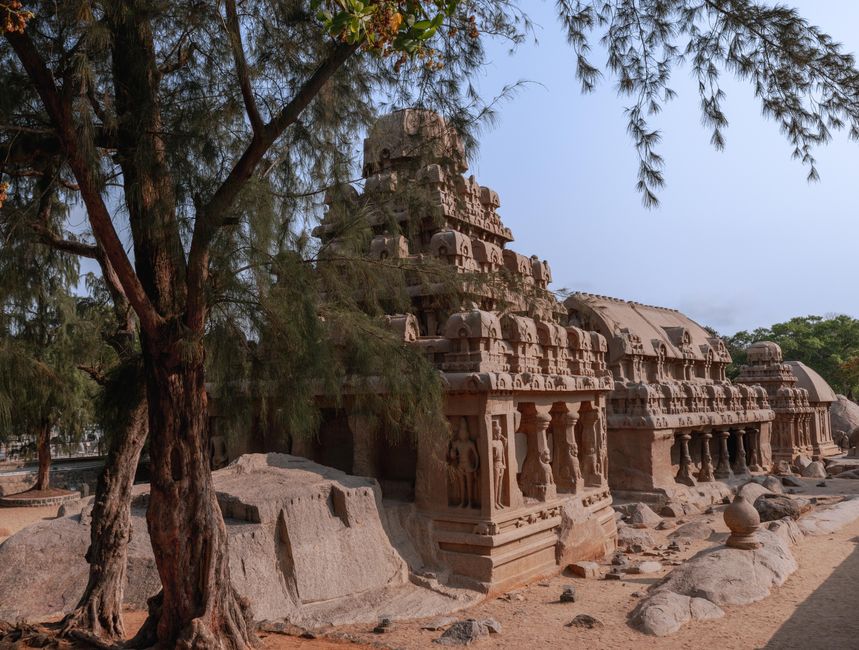
Short answer: only if you can book 6+ months ahead and tolerate crowds. The sakura front moves from Okinawa (late January) to Hokkaido (early May). The sweet spot for Tokyo and Kyoto is the last week of March into the first week of April.
You’ll pay a 50–70% premium on hotels. The Shinkansen between Tokyo and Kyoto sells out 3 weeks in advance. Popular viewing spots like Maruyama Park in Kyoto or Shinjuku Gyoen in Tokyo require arriving before 7 AM to get a spot.
Failure mode: booking mid-April thinking you’ll see peak bloom. Peak bloom in Tokyo typically ends by April 10. If you arrive April 15, you get green leaves and crowds. Check the Japan Meteorological Corporation forecast in late February for the specific year.
Alternative: late March in Kanazawa or Takayama. These cities bloom 5–7 days later than Tokyo, cost 30% less, and have 60% fewer tourists. The Kenrokuen Garden in Kanazawa is one of Japan’s Three Great Gardens and is spectacular during sakura.
Shoulder Seasons That Actually Work
Two windows deliver good weather without peak pricing: late May to early June and late October to early November.
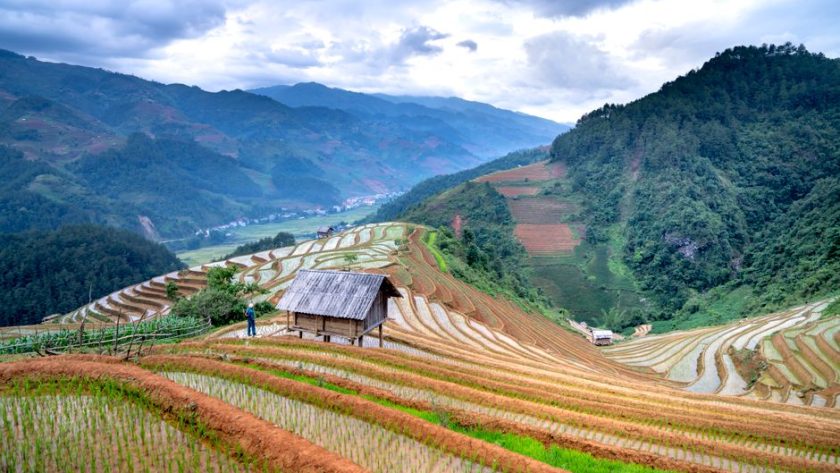
Late May: temperatures sit at 20–24°C in Tokyo and Kyoto. Rain is moderate (120mm for the month). Tourist volume drops 25% from April. Hotel rates fall to ¥13,000–¥16,000/night. The rice terraces and fresh greenery are stunning. The only downside: hydrangea season hasn’t fully started yet.
Late October: autumn colors begin in northern Honshu (Nikko, Hakone) by mid-October. By late October, Kyoto’s temples start showing red and gold. Rainfall drops to 100mm. Crowds are 20% below November peak. The Kōyasan temple lodging (shukubo) costs ¥12,000/night instead of ¥18,000 in November. Book shukubo directly through the temple website, not third-party sites — you’ll save 15%.
One warning: October still carries typhoon risk. Check the Japan Meteorological Agency’s 3-day forecast before booking. Most typhoons pass within 24 hours, but flights to Naha (Okinawa) can cancel.
Winter Travel: The Underrated Choice (If You Skip Ski Resorts)
January and February are the cheapest months to visit Japan. Tokyo averages 5°C. Kyoto averages 4°C. But indoor attractions — temples, museums, shopping arcades — are fully accessible. The crowds at Senso-ji Temple in Tokyo drop 40% compared to April.
Hotel costs bottom out: ¥9,000–¥11,000/night for a clean business hotel like Toyoko Inn or APA Hotel. Flights from the US West Coast (LAX, SFO) drop to ¥80,000 round-trip versus ¥150,000 in April. The Japan Rail Pass becomes a better value because you’re not fighting for reserved seats.
What to avoid: the first week of January. New Year’s (Shogatsu) is Japan’s biggest holiday. Temples are packed, many restaurants close for 3–5 days, and domestic travel spikes. From January 7 onward, it’s dead quiet.
Best winter activity: the Sapporo Snow Festival (early February). Hokkaido gets 5–8 meters of snow. The festival draws 2 million visitors over 7 days. Book hotels in Sapporo by September — the JR Tower Hotel Nikko Sapporo sells out 4 months in advance. Stay in Otaru (30 minutes by train) for half the price.
Failure mode: thinking you can do a winter hiking trip on Mount Fuji without proper gear. The climbing season is July–August only. Winter ascents require ice axes, crampons, and avalanche training. Stick to the Fuji Five Lakes area for views.
Rainy Season and Typhoon Season: When to Stay Away
Two periods genuinely disrupt travel: June–mid-July (rainy season) and August–October (typhoon season).
Rainy season hits Tokyo and Kyoto hardest. Expect 150–180mm of rain per month. Humidity hits 80%. Outdoor sightseeing becomes miserable. The moss gardens at Saiho-ji Temple in Kyoto look incredible in the rain, but most travelers don’t want wet shoes for 10 days. Okinawa’s rainy season ends earlier (mid-June) and is less intense.
Typhoon season peaks in August and September. Okinawa gets direct hits — Naha Airport closes 2–3 times per season. The Shinkansen runs until wind speeds hit 30 m/s, then stops. In 2026, Typhoon Shanshan canceled 500 domestic flights in a single day.
If you must travel during these periods: buy travel insurance with weather cancellation coverage. The Japanese government recommends the “Safety tips” app for real-time disaster alerts. Plan indoor-heavy itineraries — teamLab Borderless in Tokyo, the Hiroshima Peace Memorial Museum, Osaka’s Kaiyukan Aquarium. These attractions are fully enjoyable in any weather.
Verdict: For first-time visitors wanting the best balance of weather, cost, and crowds, late May or late October are the clear winners. You avoid the 50% price premiums of cherry blossom and autumn peak, get comfortable temperatures (18–24°C), and deal with 30–40% fewer tourists. If budget is your #1 concern and you can handle cold weather, January (after the 7th) delivers the lowest costs of the year.