Why Croatia is a Top Destination for Adventure Diving
Looking for thrilling adventure diving spots in Croatia? This Adriatic gem offers a unique blend of history, geology, and vibrant marine life that sets it apart from other Mediterranean scuba diving locations.
Unique Features That Make Croatia Stand Out
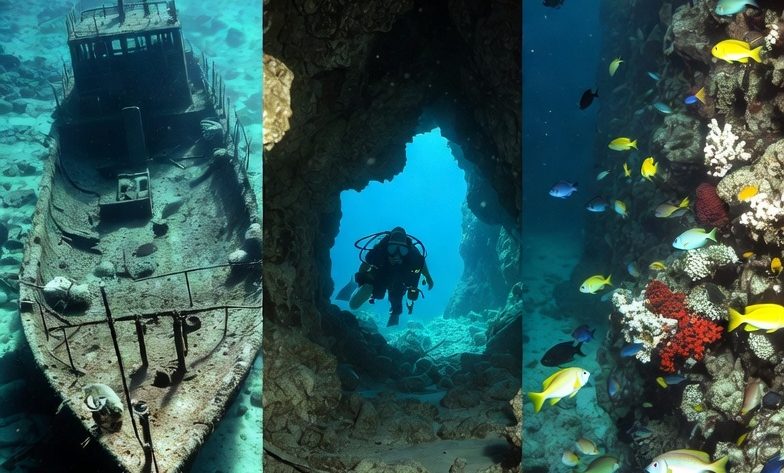
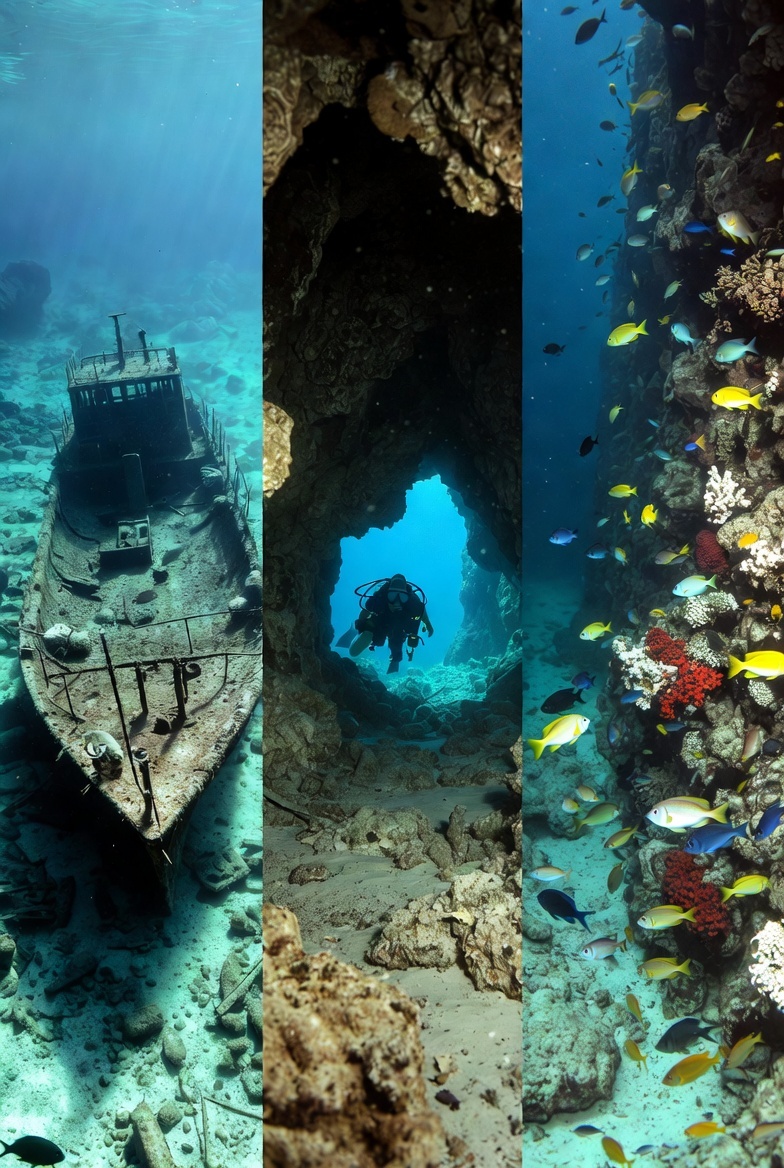
WWII wrecks like the famous Baron Gautsch offer accessible, well-preserved underwater relics.
Stunning limestone caverns and caves, such as the Blue Cave on Biševo, create ethereal light and exploration opportunities.
Vertical underwater walls carpeted with bright gorgonian reefs support a rich, biodiverse marine life including octopus, groupers, and moray eels.
Clear waters and seasonal visibility often exceed many Mediterranean spots, enhancing every dive.
How Croatia Compares to Other Mediterranean Dive Spots
Feature
Croatia
Greece
Italy
Accessible wreck diving
High – shallow & deep
Mostly deep & remote
Limited wreck sites
Cave diving opportunities
Extensive limestone caves
Fewer accessible caves
Limited caves
Marine biodiversity
High with gorgonians
Moderate
Moderate
Visibility
Often 20-30 meters
Variable, sometimes less
Variable
Croatia’s underwater landscape is notably more accessible for adventure divers, combining spectacular caves, walls, and wrecks with easier entry points compared to Greece or Italy.
Suitable for All Skill Levels
Intermediates: Many thrilling yet safe sites offer wrecks and reefs comfortable for improving skills.
Technical Divers: Locations like Vis Island’s WWII wrecks and deeper cave systems challenge advanced divers.
Beginners will find good introductory dives in regions like Istria and Kvarner, easing their way into the Adriatic’s splendor.
Whether you’re chasing rich history through wreck diving in the Adriatic or exploring vibrant cave diving Croatia sites, this diverse destination has something for every adventurer.
Top Adventure Diving Regions in Croatia
Croatia’s diverse coastline offers something for every diver across three main regions. In the Northern Adriatic (Istria and Kvarner), you’ll find shallower reefs and easier wreck dives, perfect for those just getting into adventure diving. This area features accessible sites like the famous Baron Gautsch wreck and gentle underwater landscapes.
Moving to Central Dalmatia (Zadar and Kornati), the scenery becomes more dramatic with sprawling archipelagos and protected national park dive spots. The Kornati National Park diving is renowned for its vertical walls, caverns, and vibrant gorgonian reefs, giving intermediate divers thrilling yet manageable challenges.
Finally, the Southern Dalmatia region (Split, Vis, Dubrovnik) is where things get truly epic. This zone is famous for premier wreck diving, immersive cave explorations like the Blue Cave on Biševo, and remote island sites. Here, technical divers can explore WWII shipwrecks and deep underwater features around Vis Island and beyond. This region is ideal for those seeking a mix of adventure and diverse marine life.
Together, these regions cover a broad range of scuba diving Croatia offers, from introductory wreck diving Adriatic styles to more technical immersions. For practical tips on planning your ideal Croatian adventure, check out our detailed travel tips for first-time divers.
Must-Visit Adventure Dive Sites in Croatia
Croatia offers a stunning variety of adventure diving spots that thrill every diver. The Baron Gautsch wreck near Rovinj in Istria is a standout—this iconic WWI passenger ship lies almost intact on the seabed, teeming with marine life and offering a fascinating glimpse into history. Not far off, the Blue Cave on Biševo Island near Vis captivates divers with its ethereal blue light effects inside this underwater cavern, perfect for a magical dive experience.
For those enchanted by caves, the Premuda Cathedral near Pag is a must. Its sunlit cave system is filled with beams of light filtering through cracks, creating a stained-glass effect underwater. Meanwhile, Kornati National Park features impressive vertical walls covered in vibrant gorgonians and secluded caverns ideal for exploration, making it a top spot for Kornati National Park diving enthusiasts.
Vis Island is famous for technical wreck diving, hosting WWII relics like the Teti, Vassilios, and the B-17 Fortress plane. These submerged vessels offer challenging and thrilling dives for those ready to dive deeper into history. Near Sušac, the Te Vega wreck presents deep walls and unique underwater lake-like features that attract experienced divers.
For colorful reef lovers, Kampanel Reef near the Pakleni Islands off Hvar stands out with its bell tower-shaped pinnacle adorned with bright sponges and diverse marine life. Lastly, Rasip Island in Kornati displays azure waters and rich ecosystems that are ideal for adventurous underwater exploration.
These sites together showcase why scuba diving in Croatia remains a top pick for adventure seekers, combining historical wrecks, caves, and vibrant biodiversity under one Mediterranean sky.
Essential Planning Tips for Adventure Divers
Before heading out to explore Croatia’s adventure diving spots, it’s important to get the basics right. Many sites, especially in national parks like Kornati or areas with protected wrecks, require diving permits and sometimes involve additional park entrance fees. Make sure to check local regulations ahead of your trip to avoid surprises underwater.
When choosing where to dive, rely on recommended dive centers and operators known for safety and experience in their regions—Split, Dubrovnik, and Zadar all have excellent options that cater to all levels, from introductory wreck dives to technical diving on Vis.
Gear-wise, expect varying water temperatures with thermoclines; a 5-7mm wetsuit is usually ideal for Croatian waters, especially during shoulder seasons. Don’t forget essentials for safety on advanced sites, like a dive computer and surface signaling devices.
For convenience and access to top adventure dive sites, base yourself in Split, Dubrovnik, or Zadar. These hubs offer great amenities, easy transport to dive spots, and a variety of dive centers ready to guide your adventures.
Planning well ensures a smooth and rewarding experience exploring Croatia’s incredible underwater world.
Marine Life and Underwater Highlights
Croatia’s adventure diving spots offer rich marine life that delights every diver. Expect to see octopus, moray eels, and schools of groupers weaving through colorful gorgonian reefs that cover many of the Adriatic underwater walls. On lucky days, you might even spot dolphins gliding nearby, adding to the magic of your dive.
Visibility in the Adriatic is generally excellent, ranging from 15 to 30 meters depending on the season and location. The best diving season typically runs from late spring to early fall, with summer months offering the clearest waters. However, cooler months can also reveal unique underwater encounters and fewer crowds.
For deeper wrecks or cave dives, keep in mind the local thermoclines, which can create sudden changes in water temperature. A good 5-7mm wetsuit usually suffices for comfort during most Croatian dives.
If you want detailed preparation tips on diving safely in varied underwater conditions, you might find this guide on how to prepare for your dive helpful.
Combining Diving with Croatian Adventures
Adventure diving spots in Croatia aren’t just about what’s beneath the waves—the topside experiences are just as rewarding. Many divers take advantage of island-hopping itineraries, liveaboards, or yacht charters to explore the stunning Adriatic coastline and access remote dive sites like those around Vis Island or the Kornati National Park. These options offer a great way to combine multiple dive locations with leisure, sightseeing, and local culture.
On land, you’ll find historic towns full of charm and rich heritage. Strolling through Split’s ancient Diocletian’s Palace, wandering Dubrovnik’s famous city walls, or exploring Zadar’s Roman and Venetian ruins adds a cultural layer to your dive trip. Nature lovers will also appreciate visits to nearby national parks like Krka or Paklenica, which showcase Croatia’s stunning landscapes beyond the sea.
Don’t miss out on tasting authentic Dalmatian cuisine—fresh seafood, hearty stews, and local wines provide the perfect refuel after a day of wreck diving Adriatic or cave diving Croatia. Combining scuba diving Croatia with these diverse activities makes for an unforgettable and well-rounded adventure vacation.