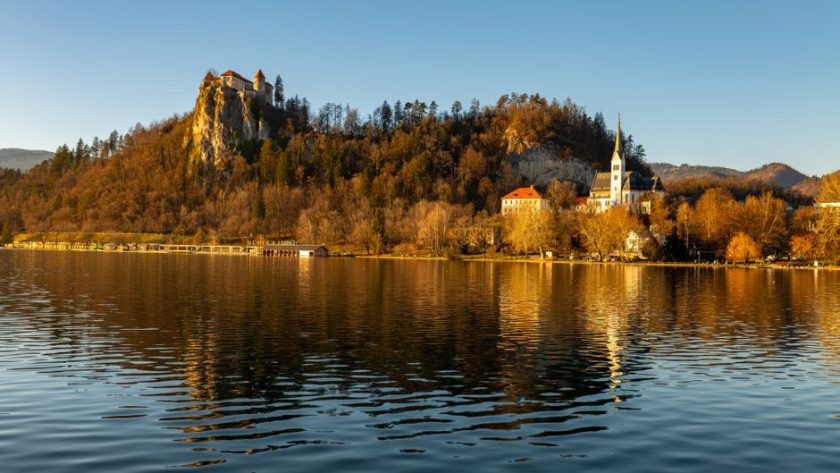
Most travelers cram into Lake Bled for two days, snap the church photo, and leave thinking they’ve seen Slovenia. They’ve seen maybe 10% of it. The real Slovenia sits in the Karst wine cellars, the Soča River gorges where the water runs emerald at 6°C, and the hilltop churches where the only other visitor is a farmer herding sheep. This itinerary skips the tourist buses entirely. You’ll drive 620 kilometers total over seven days, sleep in three different bases, and spend less than €75 per day on food and lodging if you plan smart.
Why a road trip is the only way to see Slovenia
Slovenia is roughly the size of New Jersey, but public buses don’t connect its best spots efficiently. A bus from Ljubljana to the Soča Valley takes three hours with a transfer. Driving takes 90 minutes. You also get the freedom to stop when you see a sign for “Največji sir” (biggest cheese) or a dirt road that looks like it leads to a waterfall.
Renting a car costs about €35-45 per day in 2026 for a small manual hatchback like a Renault Clio or Hyundai i20. Automatic transmissions cost €55-70 per day and book out weeks in advance during summer. Book through local agencies like Avantcar or Sixt rather than international brokers — you’ll save 15-20% and get better roadside support.
Two mistakes wreck most Slovenia road trips: skipping the vignette (toll sticker) and assuming mountain roads are fine in a low-clearance sedan. The vignette costs €15 for 7 days and is mandatory on highways. Without it, fines start at €300. For mountain passes like Vršič, you want a car with at least 15cm ground clearance. A Fiat Panda 4×4 or Dacia Duster works perfectly.
Day 1-2: Lake Bled without the selfie stick crowds
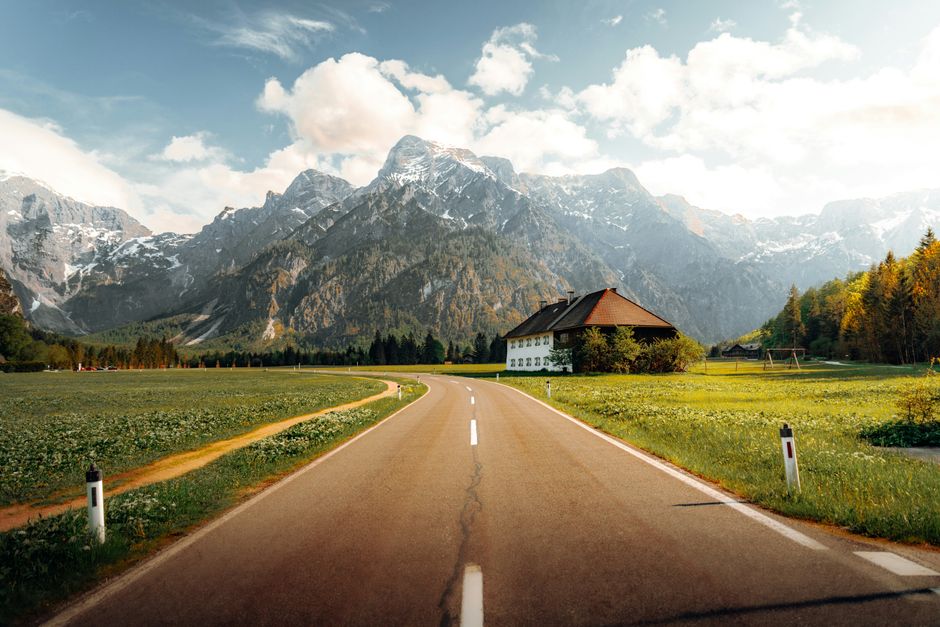
Lake Bled is famous for a reason. The problem is everyone knows that reason. You can still enjoy it without fighting for parking and elbowing through groups.
Where to stay and park
Skip the hotels right on the lake (€150+/night). Stay in Ribno or Bodešče, villages 5 minutes drive away. A private room on Booking.com runs €45-60 per night. Park at the free lot near the Sava River bridge (GPS: 46.3704, 14.1088) and walk 10 minutes to the lake. The official lake parking costs €3/hour and fills by 9:00 AM.
The hidden viewpoint
Everyone hikes to Ojstrica for the classic photo. Instead, walk to Velika Osojnica — same view, 20 minutes longer hike, 90% fewer people. Start at the campground parking lot at dawn (6:00 AM). The trail is steep but short (45 minutes). You’ll have the viewpoint to yourself until 8:00 AM.
What to actually do
Rent a rowboat (€15/hour from Camping Bled) and paddle to the island at 7:00 AM before the tourist boats start. Ring the bell for good luck — but know that locals say the bell only works if you make a wish for someone else. Skip the cream cake at the lakeside cafes (€6, mediocre). Drive 5 minutes to Kavarna Park in Radovljica for the same cake at €3.50, made by the same bakery that supplies the lake hotels.
Day 3: The Karst region — caves, castles, and wine
Most itineraries send you straight from Bled to the coast. That’s a mistake. The Karst region between Ljubljana and the sea holds Slovenia’s most unique attractions, and you can hit them all in one efficient day.
| Stop | Time needed | Cost (€) | Tip |
|---|---|---|---|
| Postojna Cave | 2 hours | 32 | Book 10:00 AM slot online. Skip the train — walk the first 500m to avoid queues. |
| Predjama Castle | 1.5 hours | 18 (combo with cave: 42) | Arrive at 1:00 PM. The cave tunnel behind the castle is worth the €3 extra. |
| Štanjel village | 45 min | Free | Park at the bottom. Walk up to Ferrari Garden for the view over the valley. |
| Kras wine cellar tasting | 1 hour | 12-18 | Try Klinec or Ščurek wineries. Ask for Teran — it’s the local red, only found here. |
Postojna Cave is Slovenia’s most visited attraction for a reason — 24 kilometers of tunnels with giant stalagmites and the only underground post office in Europe. But the real magic is Predjama Castle, built directly into a cliff face 123 meters high. The castle has a secret tunnel used by knight Erazem to smuggle food during a siege. You can walk through it. It’s narrow, dark, and absolutely worth the €3 surcharge.
Skip the cave if you’re claustrophobic or have asthma — the humidity sits at 95% and the temperature stays at 8°C year-round. Bring a jacket even in July.
Day 4-5: Soča Valley — Europe’s most underrated river
The Soča River runs 96 kilometers from Triglav to the Adriatic. Its color is unnatural — a milky turquoise that looks like someone added food coloring. The water stays at 6-10°C even in August. This valley is where Slovenia goes to escape the heat, and it’s also the setting for the Chronicles of Narnia films.
Base yourself in Kobarid, a town of 1,100 people with three excellent restaurants and a world-class museum about WWI battles in the mountains. Accommodation runs €40-60 for a double room at Hiša Polonka or Hostel Soča Rocks (dorm beds €20).
Three activities you cannot skip:
- Kayaking the Soča Gorge — €55 for a 3-hour guided trip with Soča Rafting. You paddle through rapids between canyon walls 50 meters high. No experience needed. The water is cold enough that the wetsuit is not optional.
- Hike to Kozjak Waterfall — 20 minutes from Kobarid, free, easy trail. The waterfall drops 15 meters into a pool inside a cave. Swim at your own risk — the water is 8°C.
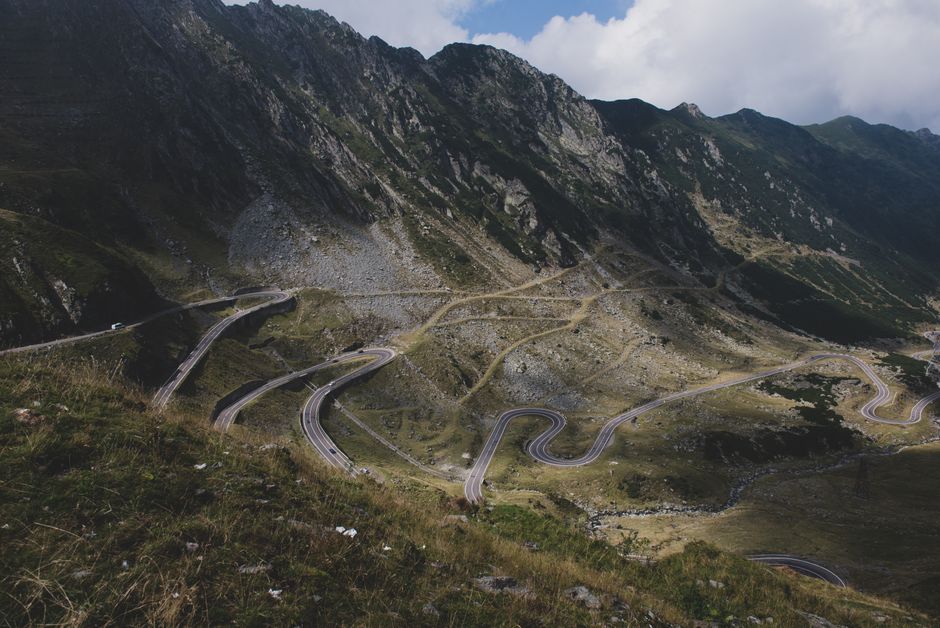
- Drive the Vršič Pass — 50 hairpin turns over 1,611 meters. Takes 45 minutes from Kobarid to Kranjska Gora. Stop at the Russian Chapel (turn 24) and the source of the Soča River (turn 38). Only drive this in dry conditions. Snow can linger until June.
Day 6-7: Piran and the Slovenian coast in 24 hours
Slovenia’s coastline is only 46 kilometers long. You don’t need more than 24 hours to see it well. Piran is the jewel — a Venetian-era town on a peninsula, all narrow alleys and red rooftops. It looks like a mini Dubrovnik without the cruise ships.
Where most people mess up: They try to stay in Piran itself. Parking costs €25/day and the streets are pedestrian-only. Stay in Portorož (10-minute walk, parking €8/day, rooms €50-70) or Izola (15-minute drive, rooms €40-50, free parking).
Walk the city walls at sunset (€2 entry, closes at 8:00 PM). The view covers the entire bay, the salt pans, and the Italian coast on clear days. Eat at Pirat for seafood — the grilled calamari (€14) is better than the tourist traps on the main square. Skip the fancy restaurants on Tartini Square. They charge €25 for pasta you could make better at home.
One hidden gem: The Seča salt pans, 3 km south of Piran. Free to walk. Workers still harvest salt by hand using 700-year-old methods. Best light for photos is 6:00-7:30 PM. You’ll see flamingos if you’re lucky — they’ve been nesting here since 2026.
Budget breakdown and timing traps
Here’s what this trip actually costs in 2026, assuming two people sharing costs:
| Item | Per person (€) | Notes |
|---|---|---|
| Car rental (7 days) | 140 | Manual hatchback, full insurance |
| Fuel | 65 | ~620 km at 6.5L/100km, €1.55/L |
| Vignette | 15 | 7-day highway pass |
| Accommodation (6 nights) | 180 | Mixed: private rooms and one hostel |
| Food (7 days) | 140 | Breakfast at accommodation, one restaurant meal/day, rest from grocery stores |
| Activities & entry fees | 85 | Cave, castle, kayaking, misc |
| Total | €625 |
Three timing traps to avoid:
- Postojna Cave queues hit 90 minutes at 11:00 AM. Book the first entry (9:00 AM) or come at 3:00 PM.
- Vršič Pass closes from November to April. The alternative route through Podkoren adds 30 minutes and is open year-round.
- Piran fills with day-trippers from Italy on weekends. Visit Tuesday-Thursday for empty streets.
Slovenia rewards the traveler who leaves the main roads and follows the gravel. This itinerary does exactly that — and you’ll come home with photos that make your friends ask “where is that, actually?”