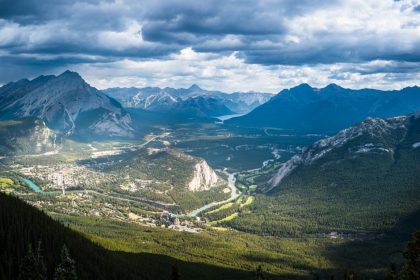

Searching “eco hotel Costa Rica” on most booking platforms returns hundreds of results. The majority are hotels that planted a tree once or serve breakfast on bamboo plates. The ones worth booking share one thing: a CST certificate number issued by the Costa Rican government. That’s the only filter worth applying before you look at anything else.
The CST Rating: Your Filter Before Anything Else
The Certificación para la Sostenibilidad Turística (CST) is Costa Rica’s government audit program for tourism businesses, run by the Instituto Costarricense de Turismo (ICT). Hotels submit to third-party inspection covering four categories: physical-biological environment, plant services, socioeconomic environment, and client management. The result is a 1-to-5 leaf rating. Not self-reported. Audited.
| CST Leaves | What It Signals | Typical Nightly Rate |
|---|---|---|
| 1–2 Leaves | Basic compliance: some recycling, minimal waste programs | $45–80 |
| 3 Leaves | Active water, energy, and community programs | $80–125 |
| 4 Leaves | Strong biodiversity protections, local supply chains, staff training | $100–150 |
| 5 Leaves | Maximum certification; fewer than 30 properties in the country hold this | $130–220+ |
The 3-to-4 leaf band is where most under-$150 quality lives. Five-leaf properties typically price above $150, with one notable exception in Monteverde covered below.
How to Verify a Hotel’s CST Status in 90 Seconds
The ICT maintains a public registry of certified properties at their official tourism database. Search by hotel name, check the leaf count, and look at the certificate expiry date. A lapse of more than 18 months signals either a failed re-inspection or a renewal that was never filed. Don’t take the hotel website’s word for it — check the registry directly.
Why the CST Check Matters More in Some Regions
Arenal and Manuel Antonio see the highest tourist volume in Costa Rica, which makes them the regions where eco-marketing most commonly outpaces actual certification. Monteverde and Sarapiquí have smaller, more specialized tourism economies where CST adoption is more embedded in how properties actually operate. First-time visitors who skip the CST check in Arenal tend to discover this distinction after they’ve already paid.
Five Properties That Hold Up Under Budget Pressure
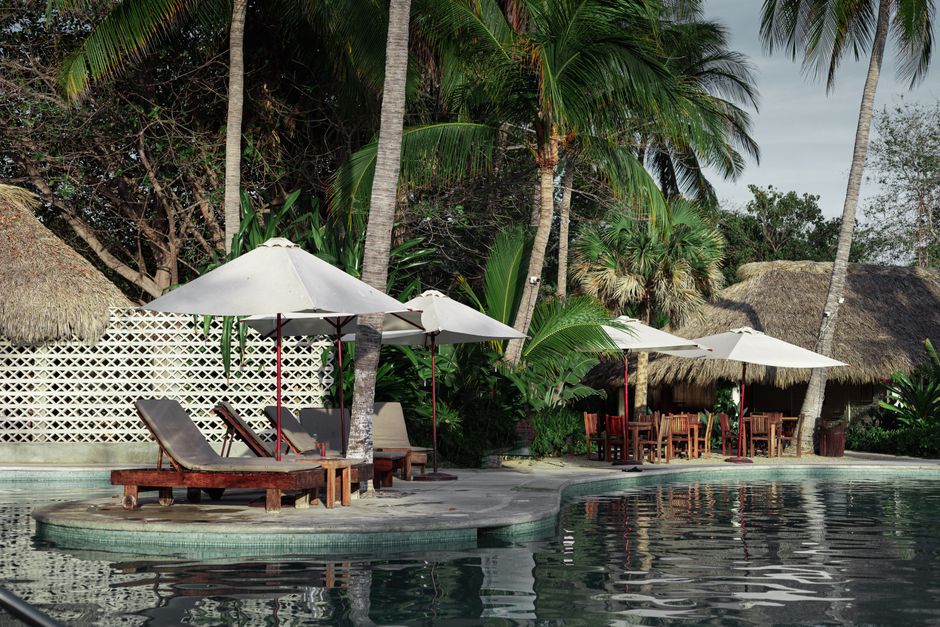
Hotel Belmar in Monteverde is the standout pick on this list. It holds 5 CST leaves — one of fewer than 30 properties in the country at that level — and runs standard rooms from $120–145 in green season (May through November). The hotel operates a biodynamic farm on site and produces its own wine under the BioBelmar label. The restaurant sources roughly 80% of its ingredients from the property. Monteverde cloud forest runs cooler than the Pacific coast, typically 15–22°C, with mist most mornings. This is a biodiversity trip, not a beach trip. If those priorities align, Belmar is the best-value 5-leaf property in Costa Rica.
Toad Hall Hotel, 7km from La Fortuna in the Arenal region, rates at 4 CST leaves and runs $95–135 depending on season. The property sits on 17 acres bordering secondary forest. Guided night walks run on the grounds — consistently better than most of the paid tours in La Fortuna and folded into the room rate. Arenal Volcano is visible from the upper garden on clear mornings. This is the pick if you’re splitting time between wildlife and hot springs: La Fortuna’s thermal pools sit about 15 minutes away by car.
Book Toad Hall directly rather than through Booking.com or Expedia. The hotel passes OTA commission savings to direct bookings — typically 10–15% off the listed rate. That shifts a $135 room to under $115 for identical accommodation.
Banana Azul sits on Playa Negra near Puerto Viejo de Talamanca on the Caribbean coast. Adults-only, rates from $85–120, with a beach-facing terrace and a low-key atmosphere completely different from the Pacific-side itinerary. The property maintains organic gardens, water recapture systems, and a no-single-use-plastics policy. Its formal CST rating is lower than the Pacific options, but the Caribbean coast runs on an entirely separate climate system — often dry when the Pacific is wet. The Gandoca-Manzanillo Wildlife Refuge sits a 20-minute bike ride away and is one of Central America’s better sea turtle nesting sites, active from March through October.
Tip: The Caribbean coast needs a separate weather check. Most “Costa Rica weather” searches return Pacific climate data. For Puerto Viejo, search specifically for Limón Province. The Caribbean’s driest window typically falls in September and October — the opposite of Pacific dry season.
Sueño Azul Resort in the Sarapiquí region rates at 4 CST leaves and runs $90–125 per night. The property sits along the Sarapiquí River in the northern Caribbean lowlands — flat, humid, and dense with wildlife. Not a beach hotel. An activity base: white-water rafting, kayaking, guided birding in a region with more than 450 documented species. Sarapiquí consistently underperforms in travel coverage relative to its ecological quality. If your trip is built around wildlife rather than beach time, this region deserves more serious consideration than it usually receives.
Kaya’s Place in Playa Samara on the Nicoya Peninsula is the budget anchor of this list. Rates of $65–90 for most of the year, solar-powered kitchen, family-run, and a team that has maintained sustainable practices since before CST adoption was widespread in the region. Casual by design — function over aesthetics. Solo travelers and pairs looking to keep costs low without abandoning eco-credentials consistently rate it well. Samara itself is worth choosing deliberately: quieter than Tamarindo, more developed than Mal País, and one of the safer Pacific swimming beaches in Costa Rica.
Tip: Ask any hotel for their CST certificate number directly. Legitimate properties have it ready. If a hotel responds with “we follow eco-principles” or “we’re working toward certification,” treat that as marketing copy until independently verified through the ICT registry.
Book in May or November
These shoulder months — after dry season ends, before peak wet season hits — see rates drop 20–30% across every region. A room priced at $145 in January often falls to $110–115 in May at the same property. That price shift is what makes 5-leaf certification accessible under $150.
Which Region Matches Your Trip Type
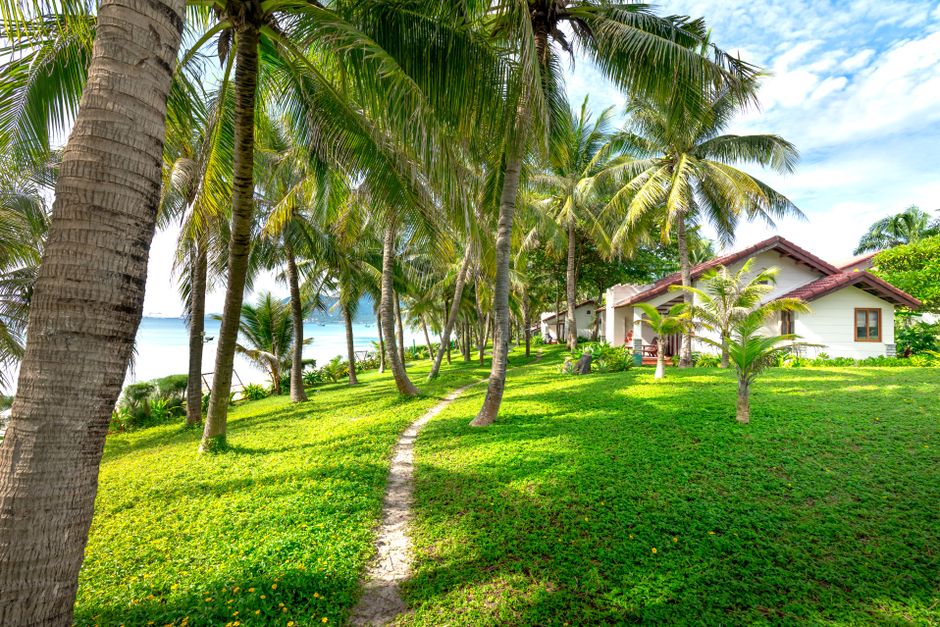
Region choice matters more than hotel choice. Most traveler disappointment in Costa Rica comes from choosing a region that doesn’t match their actual priorities — not from the hotel itself. Know which of these four you’re booking before anything else.
Monteverde: Cloud Forest, Cooler Temperatures, Slower Pace
Average temperatures between 15–22°C year-round. Mist most mornings. The appeal is concentrated in biodiversity: hanging bridge canopy walks, hummingbird gardens, resplendent quetzal sightings between August and November. Hotel Belmar anchors the eco-hotel options here. Budget an extra $40–60 per day for activities — cloud forest reserve entrance, suspension bridges, guided night tours. Choose Monteverde when wildlife and atmosphere are the core purpose of the trip, not an afterthought.
Arenal: Volcano Views, Hot Springs, High Infrastructure
The most tourist-developed eco-region in the country. La Fortuna has supermarkets, dozens of tour operators, and reliable transport links. Toad Hall sits far enough from town to feel removed but close enough to access everything. The CST filter matters most in Arenal — high tourist volume has attracted several properties marketing eco-credentials they haven’t earned. Run the registry check here before looking at photos or reviews.
Nicoya Peninsula: Pacific Beach, Blue Zone, Fewer Crowds
The Nicoya Peninsula is one of five Blue Zones globally — regions with statistically elevated longevity rates among their populations. Playa Samara sits mid-peninsula: more developed than the south, less crowded than Tamarindo. Kaya’s Place provides the Pacific base at the lowest price point on this list. Surfing, sea kayaking, and the Barra Honda cave system are within range. Dry season (December through April) is reliably sunny here.
Sarapiquí: Lowland Rainforest, Rivers, Serious Wildlife
Undermarketed relative to ecological quality. The northern lowlands get more annual rainfall than the Pacific coast, which produces denser vegetation and higher baseline wildlife density. Sueño Azul runs structured birding programs with local guides who know the region’s species by call rather than field guide. Two days here will add more to a serious bird list than a week in more heavily marketed regions. Better suited to return visitors than first-timers building a general itinerary.
Questions Travelers Get Wrong Before Booking
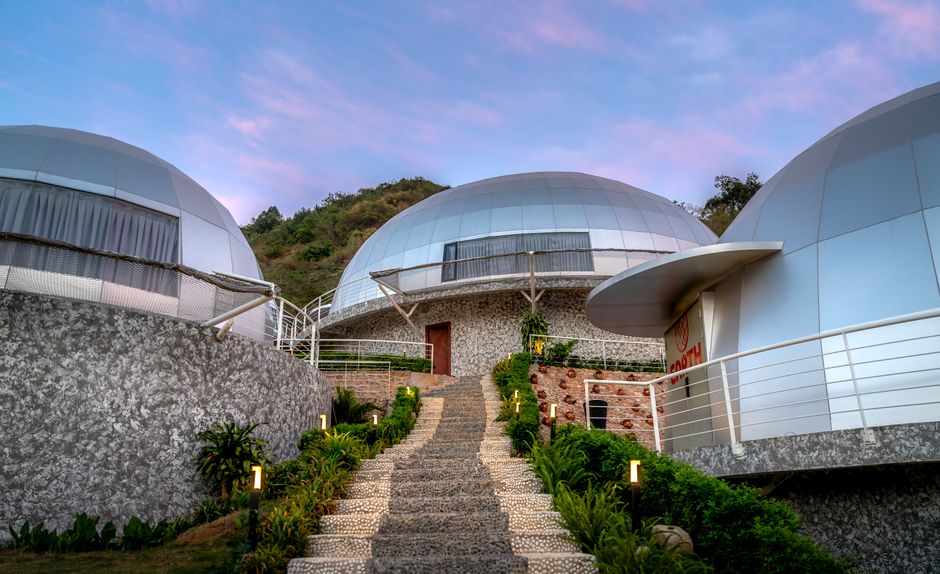
Does eco-certification mean fewer amenities?
Not at any property listed here. Hotel Belmar has en-suite bathrooms with hot water. Toad Hall has air conditioning in most rooms. Sueño Azul has private riverside cabins. CST certification covers environmental programs — energy sourcing, water management, waste reduction, local employment practices — not guest comfort. “Rustic” is a design choice, not a sustainability credential. A hotel selling discomfort as eco-philosophy is selling you something else entirely.
Is it worth visiting multiple regions on one trip?
Only with 10 or more days. Internal transport takes longer than most itineraries account for. Arenal to Puerto Viejo runs 5–6 hours via San José. Monteverde to Sarapiquí is faster by ferry connection but still a half-day of travel. First visits: pick one region, stay longer, go deeper. The country rewards that approach more than a compressed sweep through four regions in seven days.
What’s the most common mistake when booking eco-hotels at this price point?
Trusting the hotel’s own website as the primary verification source. Every property in Costa Rica describes itself as surrounded by biodiversity and committed to the environment. The CST certificate number is the only third-party signal worth trusting. Search the ICT database, check the leaf count, confirm the expiry date. That 90-second process makes every other factor — reviews, photos, amenity lists — considerably more credible.
The under-$150 eco-hotel market in Costa Rica is larger than most travelers realize. The five properties above represent genuinely different regions, ecosystems, and experiences — from Belmar’s organic winery in the cloud forest to Kaya’s solar-powered cabins on the Pacific. Match the region to the trip type first. The CST database does the rest of the filtering.