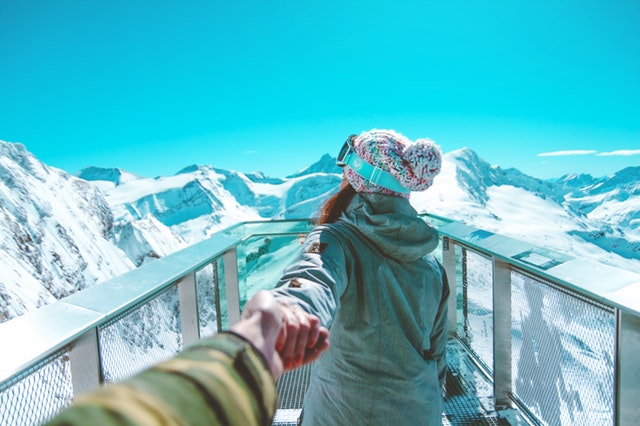
I spent $1,200 on gear before my first ski trip. I wore exactly three of those items. The rest sat in a rental locker while I froze in a cotton hoodie I thought would work fine. It didn’t. My hands went numb by lunch, my jeans soaked through by 2 PM, and I quit after three runs.
That was eight years ago. I’ve since done 40+ ski days across Colorado, Utah, and the Alps. Here’s exactly what I wish someone had told me before that first disaster of a trip.
Rent Skis and Boots, Don’t Buy Them
I see beginners walk into rental shops with brand-new $600 K2 skis they bought on sale. They don’t know what flex or camber means. They don’t know they need a 160cm length, not a 175cm. They end up on gear that fights them all day.
Rent for your first three trips minimum. Here’s why: ski technology changes every few years, and you don’t know what terrain you’ll actually like. A pair of Rossi Experience 80 skis ($750 new) handles groomers well but sucks in powder. The Salomon QST 92 ($650) is the opposite. You can’t predict your preference until you’ve skied both.
Demo rentals cost $45-60 per day. Most resorts let you swap skis at lunch. Try a front-side carver in the morning, an all-mountain ski in the afternoon. Take notes on what felt stable at speed versus what felt maneuverable in trees.
Boots are the one thing you might buy early — but only after a professional fitting. The Atomic Hawx Prime 120 ($550) is a common first boot because it heat-molds to your foot. But don’t buy boots before you’ve skied at least five days. Rental boots like the Nordica Cruise 100 are fine for learning. Your feet will hurt regardless for the first few days.
What to look for in a rental shop
Call ahead and reserve. Shops like Christy Sports or Ski Butlers deliver to your lodging. Ask for “beginner-level all-mountain skis” and a boot with a flex rating of 70-90. Stiffer boots (100+) are for advanced skiers who drive through turns. You don’t need that yet.
The one rental upgrade worth paying for
Spend the extra $15 for performance demo skis instead of the basic sport package. The Blizzard Rustler 9 ($700) or Volkl Kanjo ($650) are forgiving but let you progress. The basic rental skis are usually beat-up, dull-edged rental fleet models that won’t hold an edge on ice.
You Need Three Layers, Not One Expensive Jacket
I wore a $300 North Face parka my first day. It was too warm, I sweat through the liner, and by 3 PM I was shivering in damp clothes. Layer systems exist for a reason.
Here’s the exact setup I use now and recommend for any beginner:
- Base layer: Merino wool, not cotton. The Smartwool Classic Thermal Merino Crew ($85) or REI Co-op Midweight Base Layer ($50). I own three pairs and rotate them. Merino wicks sweat and doesn’t stink after one day. Cotton kills — it stays wet and cold.
- Mid layer: A fleece or light puffy. The Patagonia Better Sweater ($139) works for cold days. The Arc’teryx Atom LT ($260) is better for active days because it breathes. Skip the hoodie.
- Outer shell: A waterproof jacket with pit zips. The Outdoor Research Hemispheres ($349) is my go-to. It’s fully waterproof but vents heat. You don’t want a heavily insulated jacket — you want a shell that lets you adjust layers underneath.
Bottoms: Same logic. Merino leggings under a waterproof shell pant. The Flylow Baker Bib ($350) is expensive but has a drop-seat for bathroom breaks. The Columbia Bugaboo II ($100) works fine for a first trip. Do not wear jeans. Do not wear yoga pants. You will be cold and wet and miserable.
What about the expensive Gore-Tex hype?
Gore-Tex is good. It’s also $200 more than a comparable non-Gore-Tex shell. For a first trip, a 2-layer waterproof membrane with DWR coating is enough. The Marmot PreCip Eco ($100) is a budget shell that works. You don’t need Pro Shell or Gore-Tex Pro until you’re skiing in wet snow for 8 hours straight.
Don’t Forget the Things You Can’t Rent
Rental shops cover skis, boots, poles, and helmets. They don’t cover the small stuff that makes or breaks your day. I forgot gloves my first trip. I bought a $20 pair at the resort shop. They were thin, non-insulated, and my fingers were claws by noon.
Here’s what you actually need to buy before you go:
| Item | What to Buy | Price | Why It Matters |
|---|---|---|---|
| Gloves | Hestra Heli Ski Gloves | $130 | Leather palms, removable liner, warm to -10°F. Cheap gloves let cold in through the seams. |
| Ski socks | Darn Tough Vermont Over-the-Calf | $25 | One pair. Thin merino. Thick socks cut circulation and make your feet cold. Wear one pair, not two. |
| Goggles | Smith Squad Mag | $180 | Interchangeable lenses for sunny and cloudy days. Anti-fog coating is non-negotiable. Don’t buy the $40 Amazon special — they fog instantly. |
| Neck gaiter | Buff Merino Wool | $30 | Covers your face on chairlifts. A scarf comes loose. This stays put. |
| Helmet (if not renting) | Smith Vantage MIPS | $240 | MIPS technology reduces rotational impact. Rent a helmet if you want, but buy one if you plan to ski more than 3 times. Rental helmets smell like 50 strangers’ sweat. |
Total for the above: ~$605. That’s less than one mid-range jacket, and these items will last 5+ years if you take care of them.
How to Budget So You Don’t Go Broke
Ski trips are expensive. I’ve seen people blow $3,000 on a weekend and hate it because they felt ripped off. Here’s a realistic budget for a 3-day trip to a mid-tier resort like Copper Mountain or Solitude:
| Expense | Budget Option | Splurge Option |
|---|---|---|
| Lift ticket (3 days) | $450 (buy online 2 weeks ahead) | $600 (walk-up window price) |
| Rental gear (skis + boots + poles) | $150 (basic package) | $240 (demo skis + performance boots) |
| Lodging (3 nights) | $400 (motel 30 min away) | $900 (slopeside condo) |
| Food (3 days) | $150 (groceries + one lunch) | $300 (all meals on mountain) |
| Transportation | $50 (drive with friends) | $200 (rental car + gas) |
| Total | $1,200 | $2,240 |
The biggest waste of money: buying a season pass before you know you like skiing. An Epic Pass costs $1,000. A single-day lift ticket at Vail is $250. Buy day tickets for your first trip. If you love it, consider a pass next season.
When to NOT buy a lesson
I’m going to say something unpopular: if you’re athletic — you snowboard, skate, or play hockey — you might not need a full-day lesson. Watch a 10-minute YouTube video on wedge turns, practice on the bunny hill for 30 minutes, then take a single 2-hour group lesson ($100). That’s enough to get you on green runs safely.
If you have zero board sports experience, book a half-day lesson. The $150 you spend will save you from developing bad habits that take years to unlearn.
What to Do When You Get to the Mountain
Your first morning matters more than you think. Here’s my exact first-day routine:
- Arrive 45 minutes before first chair. Rental lines are shortest at 8 AM. By 9:30, you’ll wait 30 minutes.
- Do a 15-minute warm-up on the bunny hill. Even if you feel stupid. Your legs aren’t used to the stance. I’ve seen experienced skiers pull a groin muscle because they skipped this.
- Take one warm-up green run. Focus on keeping your weight forward. Most beginners lean back, which makes turning harder and kills your quads.
- Stop before you’re exhausted. Skiing uses muscles you don’t normally engage. Your first day, ski for 2-3 hours, take a long lunch, then decide if you want another hour. Pushing through fatigue is how you get injured.
- Hydrate constantly. Altitude + physical exertion = dehydration. Drink water at every break. Altitude sickness hits fast and ruins trips.
The one run to avoid
Don’t let your more experienced friends talk you onto a blue or black run on day one. I’ve watched beginners panic on intermediate runs, freeze up, and need ski patrol assistance. Green runs exist for a reason. Stay there until you can link turns without thinking about it.
What I Wish I’d Packed (and What I Left at Home)
I overpacked for my first trip. Three pairs of jeans. A heavy wool sweater. A book I never opened. Here’s what actually matters in your duffel:
Pack these:
- Two base layer tops (one to wear, one to dry)
- One pair of ski socks (wear them, wash them in the sink, they dry overnight)
- One mid layer fleece
- One shell jacket and shell pants
- Gloves, goggles, neck gaiter, helmet
- Lip balm with SPF (mountain sun burns your lips)
- Sunscreen SPF 50+ (reflected snow sunburn is real)
- A small backpack for snacks, water, and an extra layer
Leave these at home:
- Cotton anything (jeans, t-shirts, hoodies, underwear)
- Heavy parkas (you’ll overheat)
- More than one pair of après boots (you wear ski boots all day, then flip-flops in the lodge)
- Your laptop (you’re not going to work. I promise.)
What about hand warmers?
Buy a box of HotHands hand warmers ($12 for 40 pairs). Stick one in each glove and one in each boot. They’re cheap insurance against cold feet. I use them every trip.
The Real Cost of Skiing Isn’t the Lift Ticket
Most first-timers budget for the big stuff — flights, hotel, lift tickets — and forget the daily bleed. Mountain food is expensive. A burger and fries at most resorts costs $22. A beer is $9. A bottle of water is $5.
Bring your own lunch. Pack a sandwich, granola bars, and a water bottle. Every resort has a lodge with tables. You’ll save $30-40 per day and avoid the 45-minute cafeteria line.
Parking is another hidden cost. Many resorts now charge $25-40 for parking if you don’t arrive by 7:30 AM. Check the resort website before you drive. Some have free lots with shuttles. Park there.
Tips: If you take a lesson, tip your instructor $20-30. If a liftie helps you with your skis, a $5 tip goes a long way. Ski culture runs on small gestures.
Your first ski trip will probably involve some falling, some cold toes, and maybe a bruised ego. That’s normal. What shouldn’t happen is spending $600 on gear you don’t need or freezing because you wore cotton. Rent the skis, buy the socks, pack the sunscreen, and get on the hill before 9 AM. Everything else is optional.