The flat-and-boring Midwest narrative is wrong. Within a 6-hour drive of Chicago, you have sand dunes that rival any coastal beach, small towns with better food than most big cities, and Lake Michigan shoreline that looks nothing like what people expect from this region. The problem isn’t the destinations. It’s that most Chicago drivers default to the same I-90 corridor and never veer off it.
Here’s what’s actually worth your time.
Short Drives Under 3.5 Hours: More Than You’d Expect
These are the easy weekend wins — trips where you leave Friday evening and don’t get home until Sunday night, yet still feel like you genuinely went somewhere. Not every road trip needs to be an expedition.
| Destination | Drive Time from Chicago | Best For | Peak Season | Estimated Budget (2 nights, 2 people) |
|---|---|---|---|---|
| Door County, WI | 3.5 hrs | Scenic drives, wineries, lake beaches | Aug–Sep | $400–$700 |
| Galena, IL | 2.5 hrs | Historic architecture, antiques, fall color | Oct–Nov | $300–$550 |
| Lake Geneva, WI | 1.5 hrs | Lake views, spa resorts, easy decompression | Year-round | $250–$600 |
| Starved Rock State Park, IL | 1.5 hrs | Canyon hiking, waterfall views, cabins | Mar–May | $150–$300 |
| Indianapolis, IN | 3 hrs | Food scene, racing history, budget-friendly urban trip | May (race season) | $350–$600 |
Door County is the most consistently rewarding short trip from Chicago. The peninsula stretches 75 miles into Lake Michigan with 19 state parks, 12 lighthouses, and more good restaurants per square mile than most Chicago suburbs. Fish Creek is the best base — the White Gull Inn runs around $180–$230/night and the village is walkable. Ephraim and Egg Harbor are quieter alternatives with lower accommodation prices.
Starved Rock gets pigeonholed as a day trip. It isn’t. Book a room at Starved Rock Lodge ($150–$250/night, depending on season), hike the 18 canyons carved by glacial meltwater, and you’ll wonder why you’ve been driving to Wisconsin this whole time. Go in spring — the waterfalls run hardest in March and April, and the crowds haven’t shown up yet.
What Lake Geneva Actually Offers
Lake Geneva gets unfairly dismissed as a “resort town for Chicagoans who won’t drive far.” That description is accurate. It’s also not a problem. The Geneva Lake Shore Path is a 21-mile waterfront walk that circles the entire lake. Grand Geneva Resort operates a full spa and two golf courses. If the goal is genuine decompression without a 5-hour drive, this is the answer — and it’s the only short-haul option that works just as well in February as in July.
Indianapolis as an Underrated Road Trip Destination
Nobody talks about Indianapolis for weekend road trips from Chicago. That’s a persistent blind spot. The Mass Ave arts district has real restaurants — Milktooth on Virginia Avenue does the best brunch in the Midwest, full stop. The Indianapolis Motor Speedway Museum ($15 entry) is genuinely worth visiting even if racing means nothing to you. Hotel prices in Indy run 30–40% lower than comparable Chicago options, which adds up fast over a weekend stay.
The Lake Michigan Shoreline Route: The One Trip That Earns It
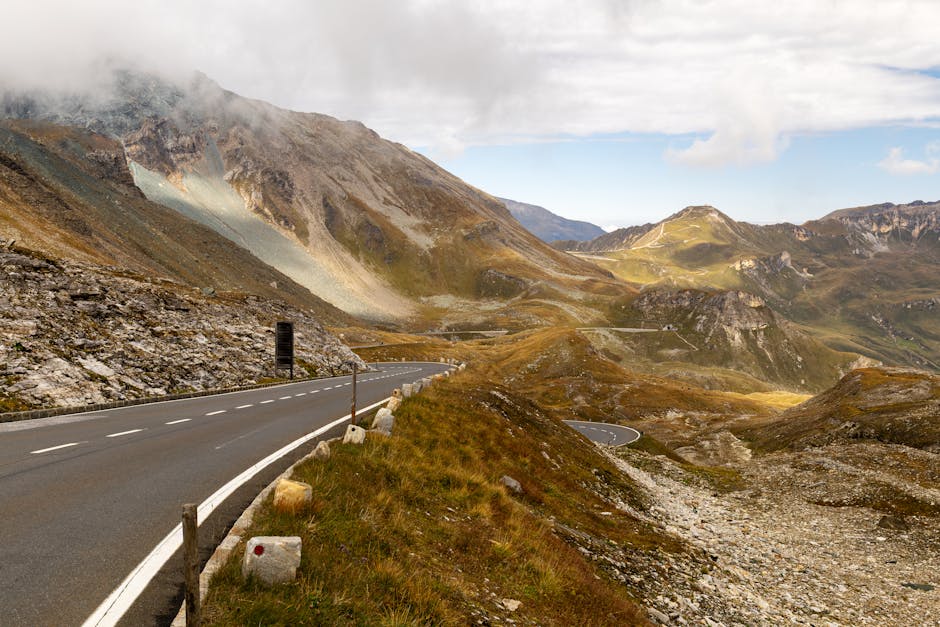
If you only do one road trip from Chicago, make it the western Michigan coast run — from Saugatuck north through Sleeping Bear Dunes National Lakeshore and up to Traverse City. This is one of the best road trip routes in the country. Not in the Midwest. In the country. The full loop runs around 600 miles and works best spread over 4–5 days.
Days 1–2: Saugatuck and Holland, Michigan (2.5 hours from Chicago)
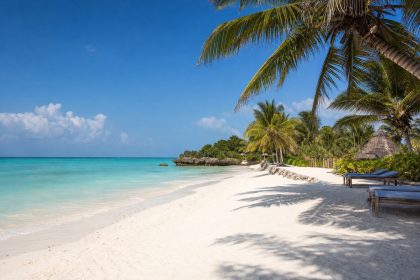
Leave Chicago early and you’ll reach Saugatuck by late morning. It’s an art colony town on the Kalamazoo River with good galleries, exceptional restaurants, and Oval Beach — consistently ranked one of the best freshwater beaches in the US. The sand is fine, the water is clear, and in August the dunes behind the beach hold heat well into evening. Spend at least one night here. Vacation rentals in the Clearbrook Golf Club area run significantly cheaper than the in-town B&Bs.
Holland is 30 minutes north and worth a quick stop for Windmill Island Gardens and DeKlomp Wooden Shoe and Delftware Factory (free entry, more interesting than it sounds). Don’t spend the night — keep moving north.
Day 3: Sleeping Bear Dunes National Lakeshore
Sleeping Bear Dunes is a 71,000-acre national lakeshore with 35 miles of Lake Michigan coastline. The Dune Climb is free. Glen Haven historic village is free. The Pierce Stocking Scenic Drive costs $25 per vehicle and gives you overlooks with teal water, white sand, and forest — the kind of view that doesn’t photograph well because the scale doesn’t translate. ABC named this “the most beautiful place in America” in 2011, and the designation still holds.
The dunes are serious physical terrain. The main dune climb is 110 feet of loose sand at a steep angle, and it gets steeper on the way back up from the water. The round trip to the lake is around 3.5 miles and takes most people 2–3 hours. People underestimate this every single summer. Wear real shoes, not sandals. Bring at least 1.5 liters of water per person.
Stay in Empire or Glen Arbor rather than Traverse City that night — you’re closer to the park, and accommodation prices are noticeably lower.
Days 4–5: Traverse City and Old Mission Peninsula
Traverse City is Michigan’s wine capital, and Old Mission Peninsula has around 15 wineries along a 20-mile strip of land flanked by East and West Grand Traverse Bay. Chateau Grand Traverse produces the best Riesling in the state. Peninsula Cellars, in a converted one-room schoolhouse from 1896, has the most relaxed tasting room atmosphere on the peninsula. The views from the upper road over West Bay justify the drive even if wine isn’t your thing.
Downtown Traverse City’s food scene has matured significantly in the past five years. Trattoria Stella, inside the converted Victorian-era Northern Michigan Asylum building in the Village at Grand Traverse Commons, is one of the best Italian restaurants in Michigan. The building complex itself — a massive 19th-century campus now repurposed into apartments, shops, and restaurants — is worth walking through regardless of where you eat.
The drive back to Chicago along US-31 south takes around 5 hours straight. If your schedule allows it, stop in Ludington and catch the SS Badger car ferry to Manitowoc, Wisconsin — it’s the last remaining car ferry on Lake Michigan, the crossing takes 4 hours, and the experience is unlike anything else on the route.
Stop Sleeping on Galena, Illinois
Galena is 2.5 hours west of Chicago and most people have heard of it. Almost none of them go. That’s wrong. It’s a preserved 19th-century river town with rolling hills that turn hard in October, a Main Street with a whiskey distillery that outperforms what you’d expect, and the DeSoto House Hotel — the oldest operating hotel in Illinois, open since 1855. Go in fall, when the tourist surge has thinned and the rates drop.
Longer Drives That Pay Off
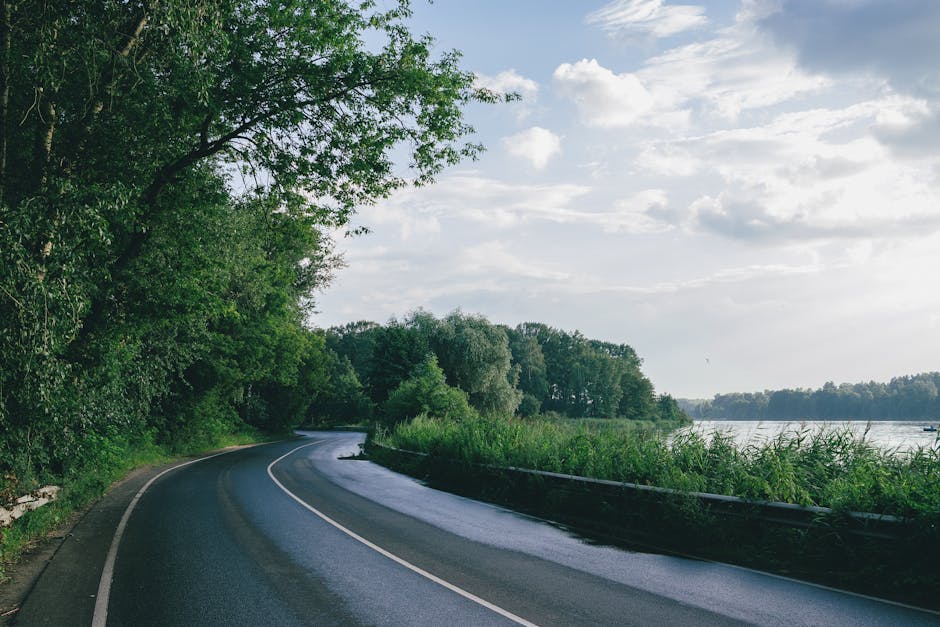
Some trips require more commitment than a weekend but deliver results that short drives genuinely can’t match. These four are worth planning around:
- Nashville, TN — 5.5 hours: The honest reason to drive rather than fly is that Nashville’s best experiences happen off Broadway. East Nashville, the Gulch, and the Nations neighborhood have the restaurants and bars that are worth the trip. Prince’s Hot Chicken Shack on Ewing Drive is the original location, not the franchise version — the difference matters. Stay at least 3 nights. Flying into Nashville saves maybe 90 minutes total once you factor in airport time, and you lose the flexibility of a car entirely.
- Pictured Rocks National Lakeshore, MI — 5.5 hours: The most undervisited national lakeshore in the US. 42 miles of Lake Superior shoreline with sandstone cliffs stained in 12 different mineral colors — rust, copper, manganese black, iron oxide orange. The Miners Beach area is car-accessible. The full shoreline requires kayaking or booking a seat on Pictured Rocks Cruises out of Munising ($40/person, 3 hours). Book accommodation in Munising early — it’s a small town and it fills fast from late June through August.
- Cincinnati, OH — 5 hours: Over-the-Rhine is the highest concentration of Italianate architecture in the country, and the neighborhood’s restaurant and bar scene is genuinely strong. Findlay Market on a Saturday morning, Boca in downtown for dinner, and the Cincinnati Art Museum (free admission, always) make a full weekend without stretching. The city is cheaper than Chicago across the board — hotels, food, parking — and that gap adds up.
- Minneapolis, MN — 6.5 hours: Stop in Wisconsin Dells on the way if you have kids — it’s exactly what it looks like, a waterpark-and-kitsch corridor that serves its purpose efficiently. Minneapolis proper has the best Somali food in the country in the Cedar-Riverside neighborhood, the First Avenue music venue (still operating, still worth it), and easy access north to the Boundary Waters Canoe Area Wilderness. Piragis Northwoods Company in Ely rents complete canoe outfitting packages — you don’t need to haul anything from Chicago.
One universal tip on timing: do not leave Chicago on a Friday afternoon between May and September. I-90 east and I-94 north both stall from 3–7pm on summer Fridays. The difference between leaving at noon and leaving at 4pm can be 90 minutes on popular weekends. Leave early or leave late.
Practical Questions Before You Leave
When is the right season for road trips from Chicago?
Late May through early October covers the reliable window. June is underrated — crowds haven’t built and prices are lower than July. August is peak season for Michigan and Door County, which means booking challenges and inflated accommodation rates. October is the sleeper pick for anywhere with fall color: Galena, Starved Rock, the Leelanau Peninsula around Traverse City. The light is better, the temperatures are comfortable for hiking, and you’ll encounter a fraction of the summer crowds.
What mistakes do Chicago road trippers make most often?
Three patterns repeat constantly. First, underestimating Chicago exit time — the city sprawl means you don’t hit open road until 40–50 minutes from the Loop in any direction, regardless of which route you take. Build that in.
Second, booking accommodation in the most popular village instead of the neighboring one. Sleeping in Empire rather than Traverse City, or Sturgeon Bay rather than Fish Creek, cuts costs 20–40% with minimal added drive time. The flagship towns almost always have cheaper alternatives 15–20 minutes away.
Third, skipping Michigan’s Upper Peninsula because it seems too far. The UP starts at the Mackinac Bridge — 5.5 hours from Chicago. If you’re already driving to Traverse City, you’re 1.5 hours from the Mackinac Bridge. Pictured Rocks, Tahquamenon Falls, and the Keweenaw Peninsula are all up there, and the landscape looks nothing like the lower Midwest. The UP rewards the extra hour.
Do these routes require any special gear or vehicle?
A standard sedan handles every route on this list without issue. Sleeping Bear Dunes, Pictured Rocks, and Starved Rock all have paved parking areas and maintained trails. The Boundary Waters near Ely, Minnesota is canoe country — gear is rented locally from outfitters like Piragis Northwoods Company or Ely Outfitting, so you don’t ship anything from Chicago. The one exception is the Keweenaw Peninsula in winter, which is snowmobile and 4WD territory from November through April and outside the practical road trip window for most people anyway.
For a first-time Chicago road trip, the Lake Michigan shoreline route is the clear answer: drive to Saugatuck, spend a night near Sleeping Bear Dunes, and end in Traverse City with a day on Old Mission Peninsula. That’s the trip that makes people wonder why they waited this long to do it.