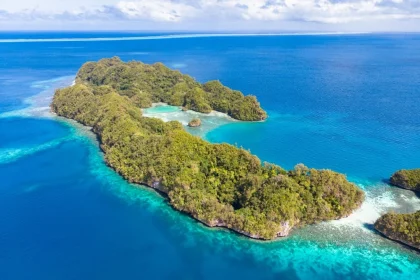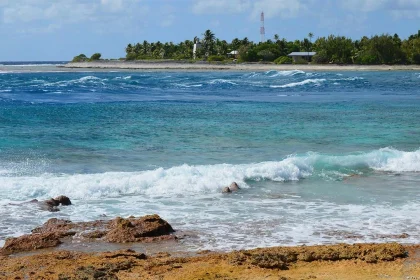
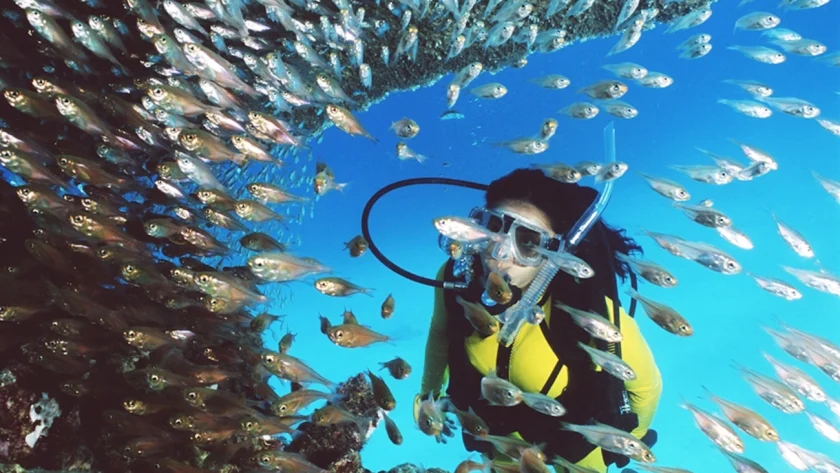
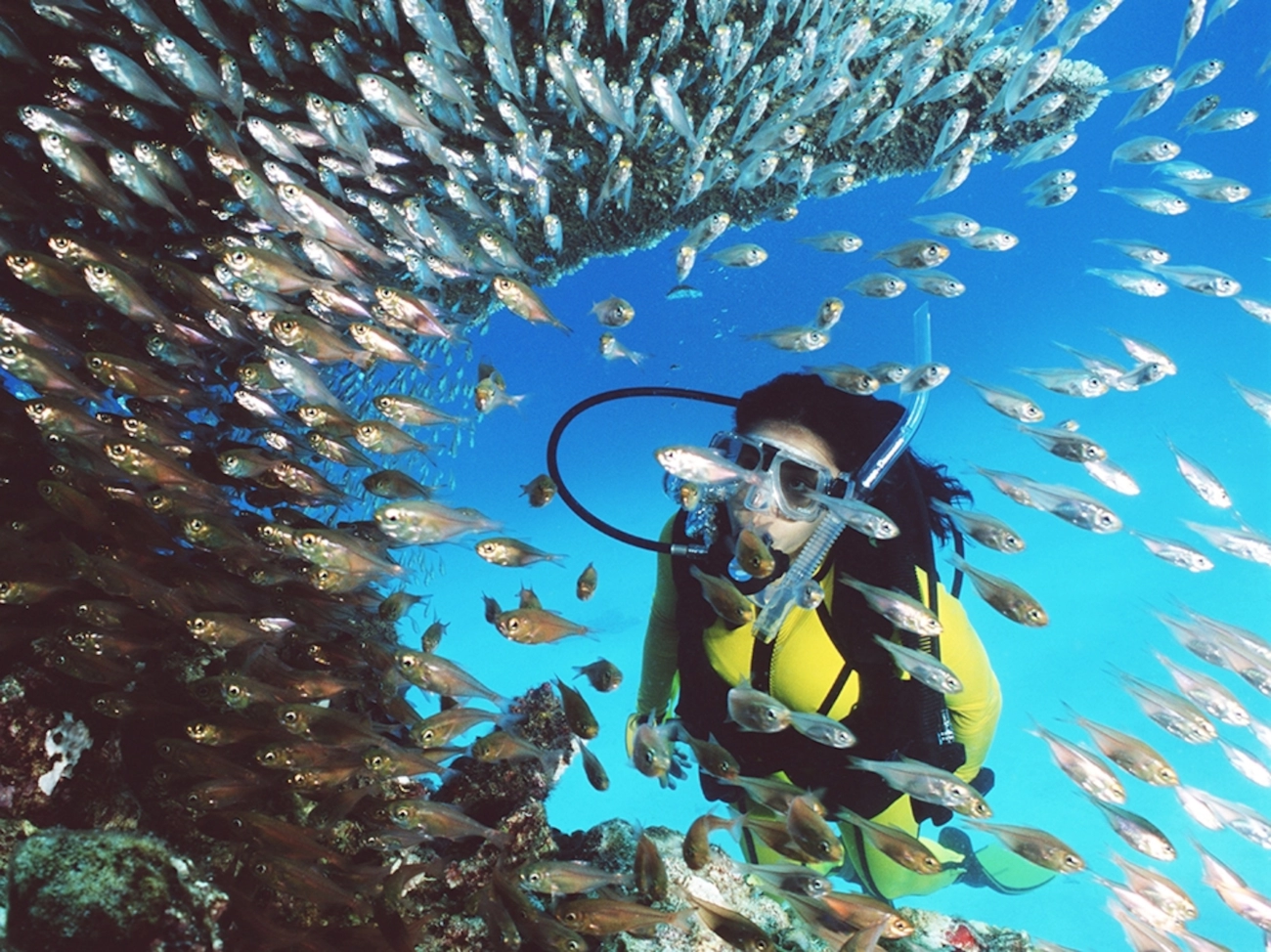
If you’re ready to uncover one of Australia’s most breathtaking natural wonders, exploring the coral reefs is an absolute must. From the iconic Great Barrier Reef—home to thousands of marine species and vibrant corals—to the unique fringing reefs of Ningaloo and the remote gems like Lord Howe Island, the options for coral reef exploration in Australia are incredibly diverse and unforgettable. Whether you’re after world-class snorkeling, thrilling scuba dives, or serene boat tours, this guide will help you navigate the best spots, best times to visit, and how to do it all responsibly. Let’s dive in and discover why now is the perfect time to experience the magic beneath Australia’s crystal-clear waters.
Understanding Australia’s Coral Reefs
Australia is home to some of the most spectacular coral reefs on the planet, each offering unique underwater wonders. The Great Barrier Reef stands out as the largest living structure on Earth, stretching over 1,400 miles along Queensland’s coast. This vast reef system hosts an incredible variety of life, including more than 400 coral types and around 1,500 fish species, making it a vibrant underwater city teeming with color and movement.
Further west, the Ningaloo Reef presents a different kind of magic. Unlike the Great Barrier Reef’s offshore formation, Ningaloo is a stunning fringing reef that runs right up to the shore. This makes it especially accessible for snorkelers and divers who want to explore abundant marine life, including the famous whale sharks that visit seasonally.
Australia’s coral diversity doesn’t end there. The Lord Howe Island reef is the world’s southernmost coral reef, offering unique encounters with marine species adapted to cooler waters. Meanwhile, the remote Coral Sea reefs boast pristine conditions and exceptional biodiversity, attracting adventurous divers looking for untouched underwater landscapes.
Ecologically, these reefs are vital. They support fisheries, protect coastlines, and fuel tourism. Sadly, they face challenges like coral bleaching due to climate change and outbreaks of crown-of-thorns starfish. However, ongoing conservation and monitoring efforts, including citizen science programs, aim to safeguard their health and resilience for the future.
Exploring Australia’s coral reefs promises a spectacular blend of natural beauty and vibrant marine life that few places on Earth can match.
Top Destinations for Coral Reef Exploration in Australia
When it comes to coral reef exploration in Australia, a few top destinations stand out for their unique marine life and stunning underwater landscapes.
Great Barrier Reef hotspots are a must-visit, especially around Cairns and Port Douglas, which offer easy access to the outer Great Barrier Reef. These locations are perfect for snorkeling and diving adventures among vibrant corals and diverse fish species. The Whitsunday Islands are another iconic spot, famous for views of the heart-shaped Heart Reef and the pristine Whitehaven Beach — ideal for scenic tours and aerial views.
For those interested in manta rays, Lady Elliot Island on the southern edge of the Great Barrier Reef is a hotspot where these graceful creatures are regularly spotted. Moving to Western Australia, the Ningaloo Reef near Exmouth and Coral Bay offers some of the best whale shark swimming experiences in Australia. Ningaloo’s unique fringing reef allows easy shore access to marine wonders, making it a favorite for snorkelers and divers alike.
If you want to explore less crowded reefs, try the remote Osprey Reef, known for its exhilarating deep-water diving, or the pristine Rowley Shoals, offering vibrant coral gardens far from the usual tourist trail.
Whether you’re drawn by the diversity of the Great Barrier Reef or the unique experiences at Ningaloo and beyond, these destinations cover the best of Australia’s coral reef exploration opportunities. For detailed planning, you might find helpful tips about seasonal travel and tours similar to monsoon tips for Philippine islands, especially regarding weather considerations for tropical reef destinations.
Best Ways to Explore the Reefs
Exploring Australia’s coral reefs can be tailored to all levels of experience and interests. Snorkeling is perfect for beginners and offers easy access to shallow reef areas teeming with vibrant marine life. Popular beginner-friendly sites often have calm waters and good visibility, making them great for first-timers. Remember to wear reef-safe sunscreen and follow basic safety tips to protect both yourself and the reef.
For those wanting to dive deeper, scuba diving comes in two flavors: introductory experiences for newbies and certified dives for more advanced explorers. Iconic dive spots like Cod Hole on the Great Barrier Reef are famous for friendly potato cod, while the Yongala wreck off Queensland provides a thrilling dive with abundant sea life. These sites highlight the best scuba diving spots in Australia, offering unforgettable underwater encounters.
If you prefer to stay dry but still want an immersive reef experience, boat tours and liveaboard cruises are top choices. Day trips from Cairns and Port Douglas give you quick access to the outer Great Barrier Reef, while multi-day liveaboards allow exploration of more remote reefs like Osprey Reef or the Coral Sea. These options vary in pace and depth, so you can pick what fits your style.
For a completely different perspective, scenic flights over Heart Reef in the Whitsundays provide breathtaking aerial views of the reef’s natural heart shape, a must-see when visiting the region.
Alternative reef experiences include glass-bottom boats and semi-submersibles, which are excellent for those who want to see vibrant corals and marine life without getting wet. Island stays on places like Lady Elliot Island combine comfort with easy reef access for snorkeling or diving at your own pace.
These diverse ways to explore ensure everyone can enjoy Australia’s coral reefs, whether for a few hours or several days. For more practical advice on reef adventures, check out comprehensive travel tips on how to prepare for your trip.
Recommended Tours and Operators
When exploring Australia’s coral reefs, choosing the right tours and operators can make all the difference. From convenient day trips to immersive liveaboard adventures, there’s an option for every level of explorer.
Day Trips from Cairns and Port Douglas
For quick access to the outer Great Barrier Reef, day trips from Cairns and Port Douglas are popular. These trips often use pontoons on the reef, offering easy snorkeling and diving opportunities without needing advanced skills. They’re perfect for first-timers wanting a taste of the reef’s vibrant marine life and coral formations.
Liveaboard Adventures for Remote Reefs
For a deeper dive into the reef’s remote and less-visited areas, liveaboard cruises are unbeatable. These multi-day trips explore outer reef sites like Osprey Reef and the Coral Sea, ideal for certified divers looking for pristine conditions and rare marine encounters.
Whale Shark Swims at Ningaloo
Ningaloo Reef is famous for its seasonal whale shark swimming tours — a bucket-list experience to see these gentle giants up close. Operators here focus on small groups to minimize environmental impact, providing unforgettable, responsible wildlife encounters.
Eco-Certified and Small-Group Experiences
Sustainable reef tourism is growing, with many operators now eco-certified. Choosing small-group tours supports reef health by reducing overcrowding and promoting responsible practices. Look for tours that highlight coral reef conservation and involve education about protecting these fragile ecosystems.
Exploring more about various adventure activities around the world, you might also find fascinating comparisons in adventure diving spots in Croatia, especially if you are into diving tours on a global scale.
Make sure to book with operators committed to reef safety, using reef-safe sunscreen and following all guidelines to protect Australia’s precious coral ecosystems.
Best Time to Visit and Practical Planning
The best time to explore Australia’s coral reefs is during the dry season, from May to October. This period offers excellent water visibility, calmer seas, and fewer jellyfish, making it ideal for activities like Great Barrier Reef snorkeling and Ningaloo Reef diving. The wet season (November to April) brings heavier rains and stingers, so wearing a stinger suit is essential if you visit then.
Key access points for reef adventures include Cairns and Port Douglas for the Great Barrier Reef, Airlie Beach for the Whitsundays, and Exmouth or Coral Bay for Ningaloo Reef. These hubs provide easy entry to day tours, liveaboard cruises, and specialized reef experiences.
When packing, bring reef-safe sunscreen to protect both your skin and the corals, lightweight swimwear, a stinger suit in stinger season, and snorkeling or dive gear if you prefer your own equipment.
For budget planning, day tours from Cairns or Airlie Beach are affordable and give great reef access. If you’re after luxury or remote spots, liveaboard reef cruises offer multi-day trips with expert guides but come at a higher price. Balancing these options depends on how deep you want to dive into the reef experience.
For more detailed advice on what to bring and how to prepare for outdoor trips, check tips for those living active lifestyles to help you stay comfortable and safe.
Marine Life and Highlights to Expect
Exploring Australia’s coral reefs means encountering a stunning variety of marine life. Iconic species such as sea turtles, manta rays, various sharks, whale sharks, and humpback whales are common highlights. The Great Barrier Reef and Ningaloo Reef, in particular, are famous for whale shark swimming Australia experiences, offering unforgettable close encounters with these gentle giants.
The coral itself is vibrant and diverse, featuring both hard and soft corals that create breathtaking underwater landscapes. Visitors can also witness seasonal coral spawning events, a spectacular natural phenomenon that adds to the reefs’ magic.
For truly unique wildlife moments, keep an eye out for dwarf minke whales during the right season, and witnessing sea turtles nesting on Queensland’s beaches is equally remarkable. These rich ecosystems make Australia coral reefs tours a must for anyone wanting to see thriving marine biodiversity in action.
Responsible Exploration and Conservation
Australia’s coral reefs face serious threats like coral bleaching, crown-of-thorns starfish outbreaks, and climate change impacts. These challenges put pressure on the ecosystems that support thousands of marine species.
Key Threats at a Glance
| Threat | Impact |
|---|---|
| Coral Bleaching | Loss of coral colour, weakened reefs |
| Crown-of-thorns Starfish | Coral predation and reef damage |
| Climate Change | Ocean warming, acidification, storms |
How to Explore Sustainably
- Choose eco-certified operators who prioritize reef health during tours and diving
- Avoid touching or stepping on coral to prevent physical damage
- Use reef-safe sunscreen to reduce chemical pollution
- Support small-group tours to minimise environmental footprint
Get Involved with Citizen Science
Join programs like Eye on the Reef, where visitors help monitor coral health by reporting sightings of species and issues like bleaching or starfish outbreaks. It’s a great way to contribute to conservation firsthand.
Positive Signs for Reef Recovery
Thanks to ongoing efforts in protection and sustainable tourism, some areas of the Great Barrier Reef and Ningaloo Reef show resilience and signs of recovery. Responsible coral reef exploration in Australia helps sustain these vital ecosystems for future generations.
For more tips on eco-friendly travel and responsible tourism, check out sustainable nature travel ideas beyond the reefs.