Understanding the Monsoon Season in the Philippines
The Philippines experiences two major monsoon seasons: Habagat and Amihan, each bringing distinctive weather patterns. The Habagat or southwest monsoon occurs from June to October and is known for heavy rains and strong winds, especially in western and central parts of the country. In contrast, the Amihan or northeast monsoon happens from November to February, bringing cooler, drier air and relatively mild weather. Weather conditions vary widely across regions during these monsoon periods. Western areas like Palawan, Panay, and Mindoro receive more rainfall during Habagat, while eastern regions can expect wetter weather during Amihan. The northern island of Luzon often sees cooler, breezy conditions during Amihan, whereas the southern islands stay warm year-round but may experience unpredictable showers. Climate change has intensified the monsoon’s impact, making rainy seasons more erratic and sometimes harsher. You might notice heavier downpours or longer wet spells, increasing flood risks and altering traditional travel patterns. Keeping updated with PAGASA weather updates is essential for preparing and adjusting your plans during the Philippines rainy season travel. Understanding these shifts helps you appreciate the unique beauty of the monsoon while staying safe and informed.When to Travel: Timing Your Trip During Monsoon
Planning your trip around the Philippine monsoon season means knowing the best months to avoid heavy rains while still enjoying the islands. The monsoon season typically runs from June to November, with the Habagat (southwest monsoon) bringing the heaviest rainfall, especially from July to September. These are the peak rainy months when travel disruptions are more likely. For milder weather and fewer rain interruptions, aim for the shoulder months of May, June, and November. During these periods, you’ll experience less intense downpours and more opportunities to explore outdoors comfortably. If you prefer to travel during the wetter months, stay flexible with your plans and allow extra time for delays. Monitoring weather conditions with reliable sources is crucial. The Philippine Atmospheric, Geophysical, and Astronomical Services Administration (PAGASA) provides up-to-date forecasts and warnings that can help you stay ahead of storms and typhoons. There are also useful weather apps that deliver real-time updates, making Philippines monsoon preparation simpler and safer.Best Destinations During the Rainy Season
Traveling during the Philippines’ rainy season doesn’t mean you have to cancel your plans. Some places are better suited for wet weather, offering more shelter and resilience to monsoon rains. Islands like Cebu, Bohol, Palawan, and Siargao remain popular during the wet season because they have well-developed infrastructure and plenty of indoor and outdoor activities that can be enjoyed even with frequent showers. For nature lovers, inland mountain areas—such as Baguio or Mt. Apo—offer cooler weather and refreshing hikes. These elevated spots tend to have less intense rainfall compared to coastal regions, making them ideal if you don’t mind a little adventure and mud. Just be cautious about slippery trails during heavy downpours. If you prefer a city break, Manila serves as a great urban indoor escape with numerous museums, shopping malls, cafes, and cultural centers to explore when it rains hard outside. It’s also a hub for reliable weather updates via platforms like PAGASA. On the flip side, you should avoid low-lying islands in the eastern parts of the country or provinces known for heavy flooding during the habagat (southwest monsoon). Areas prone to typhoons and severe flooding can disrupt transportation and limit outdoor plans during the rainy months. For a mix of cultural and outdoor experiences, check out this guide to the Philippines’ top festivals and events, which often continue during the wet season: best festivals in Asia. It’s a good way to plan your trip around local happenings regardless of the weather. In , pick your destinations wisely during the rainy season by focusing on sheltered spots with good amenities and alternative indoor options for a smoother monsoon travel experience.Essential Packing Tips for Monsoon Travel
Packing smart is key when traveling during the Philippines rainy season. Here are essential tips to keep you comfortable and prepared:- Clothing: Opt for lightweight, quick-drying clothes. Breathable fabrics like merino wool or synthetic blends work best to keep you dry and comfortable. Avoid heavy cotton as it stays wet longer. A waterproof jacket or poncho is a must-have.
- Footwear: Waterproof shoes or sandals with good grip are ideal. Flip-flops can be useful for wet beach areas but not for slippery roads or hiking trails.
- Gear essentials: Don’t forget a sturdy dry bag to protect your electronics and important documents from sudden downpours. A compact umbrella and a microfiber towel come in handy for quick drying.
- Health supplies: Carry a basic first-aid kit, insect repellent, and any necessary medications. It’s also smart to bring water-purifying tablets or a portable filter since floods can sometimes affect water quality.
Safety and Health Precautions During the Monsoon
Traveling during the Philippines rainy season means being extra cautious about safety and health. Here are essential tips to keep you safe:- Typhoon Preparation and Emergency Kits: The Habagat season often brings typhoons. Always carry a basic emergency kit with first aid supplies, flashlights, bottled water, and important documents in waterproof bags. Stay updated on warnings through PAGASA weather updates and follow local evacuation orders immediately if issued.
- Avoid Flood Risks and Health Hazards: Flooding increases the risk of water-borne diseases like leptospirosis. Avoid walking or driving through floodwaters. Use insect repellent and keep wounds covered to prevent infection during the wet season.
- Safe Driving and Commuting Tips: Roads get slippery, and traffic can worsen during heavy rains. Drive slowly, use hazard lights during poor visibility, and avoid rushing. If using public transport, choose well-maintained vehicles and avoid boats during stormy weather.
- Health Advice and Travel Insurance Importance: Stay hydrated, maintain hygiene, and eat from trusted food vendors. It’s smart to have travel insurance that covers weather-related incidents and medical emergencies to avoid costly surprises.
Transportation and Getting Around During Monsoon
Traveling around the Philippine Islands during the monsoon means you should expect delays, especially with flights and ferries. Booking flexible tickets is a smart move, so you can easily adjust plans if weather disrupts your schedule. Ferry services are often suspended due to rough seas during the Habagat, so keep an eye on announcements from transport providers and always check PAGASA weather updates. Using local transport in the rain requires a bit more caution. Jeepneys and tricycles may get crowded and slippery when wet, so be careful when boarding and alighting. It’s best to avoid walking long distances in flooded areas to stay safe and dry. Island hopping during the rainy season is possible but comes with risks. Rough waters can cancel trips at short notice. If you’re set on island hopping, consider choosing more sheltered routes or opt for private boats that operate more flexibly compared to scheduled ferries. Inland options like mountain hikes may also be safer alternatives when the weather is heavy on the coast. Planning ahead and staying flexible with your travel dates will make your transportation smoother during the Philippines wet season. For a deeper look at navigating travel disruptions, check travel guides that cover similar unpredictable climates.Activities to Enjoy During the Rainy Season
Traveling the Philippines during the monsoon doesn’t mean you have to stay indoors all day. The rainy season actually offers unique opportunities to enjoy nature’s lush beauty and quieter spots that are often crowded in dry months.Outdoor Highlights
- Waterfalls: The wet season is perfect for visiting majestic waterfalls, especially in places like Cebu and Bohol where the falls are fuller and more spectacular. Just be cautious of slippery trails after heavy rains.
- Surfing: Beaches such as Siargao remain surfing hotspots during the habagat season, with powerful waves attracting surfers who love a challenge.
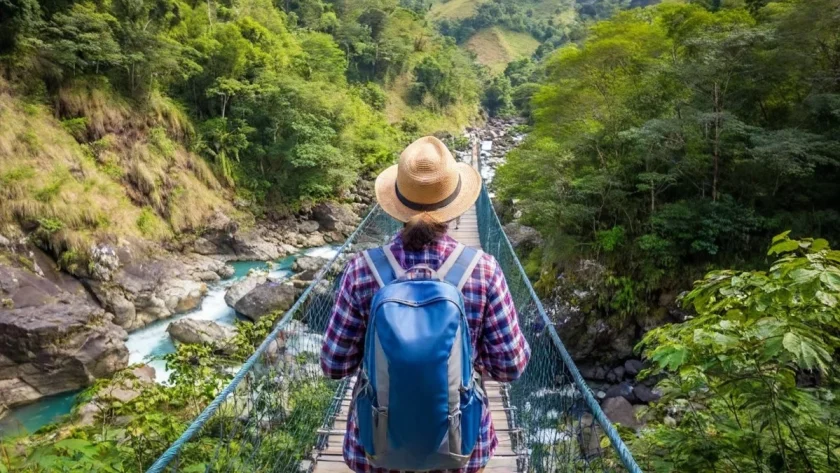
- Nature walks and hikes: Inland mountain areas become cooler and greener, ideal for scenic hikes if you pick days between showers.
Indoor Cultural Experiences
- Visiting museums, art galleries, and historical sites in Manila or Cebu can be a great escape from the rain.
- Food tours showcasing regional Filipino cuisine provide a warm, dry way to explore local culture and flavors during the wet season.
Quiet Moments in Nature
- The rainy season is ideal for travelers seeking solitude. With fewer tourists, you’ll find many hidden gems and serene landscapes to enjoy.
- Bird watching or simply relaxing in eco-resorts lets you connect with the vibrant greenery and clean air brought by the rains.
Pros and Cons of Monsoon Travel in the Philippines
Traveling to the Philippine Islands during the monsoon season has its ups and downs. On the plus side, you’ll enjoy fewer crowds since fewer tourists brave the wet season. This often means better deals on flights, hotels, and tours, making it a great option for budget travel Philippines monsoon style. Plus, the landscape turns vividly green and lush, offering stunning views and unique photo opportunities. However, the challenges include frequent weather disruptions, like sudden heavy rains or storms that can delay your plans. Some outdoor activities may be limited or unsafe, and transport like ferries and local rides might face cancellations or slowdowns. Flexibility is key—you may need to adjust your itinerary on short notice. In the end, monsoon travel suits flexible adventurous travelers who appreciate quieter destinations and don’t mind a little rain. Proper preparation, including checking PAGASA weather updates, can help you make the most of your trip despite the wet season’s challenges. For a smoother experience, keep an eye on weather alerts and always have backup plans.FAQs About Traveling During the Philippine Monsoon
Is it safe to travel during the monsoon season in the Philippines?
Yes, traveling during the Philippines rainy season is possible with proper preparation. Keep an eye on PAGASA weather updates and typhoon warnings. Avoid areas prone to flooding and always have a typhoon emergency kit ready. Flexibility in your plans helps manage sudden weather changes.What are the best islands to visit during the rainy season?
For monsoon travel, islands like Cebu, Bohol, Palawan, and Siargao stand out. They offer sheltered spots and activities that are less affected by heavy rains. Avoid places known for severe flooding or landslides during the habagat (southwest monsoon).How should I prepare for typhoons while traveling?
- Monitor weather forecasts frequently via PAGASA and trusted apps.
- Pack a typhoon emergency kit with essentials like flashlights, extra batteries, medicines, and bottled water.
- Book flexible accommodation and transport options to adjust plans if needed.
- Know evacuation routes if you’re staying in typhoon-prone areas.
Can I still go island hopping during the rainy season?
Island hopping in rainy season can be tricky. Ferry and boat schedules often change or get canceled due to rough seas. If you plan on island hopping, choose resilient islands with regular transport services and always check local weather conditions. It’s safer to have backup indoor activities.What health risks should I watch out for during monsoon travel?
Leptospirosis and other waterborne illnesses rise during the wet season, especially in flood-prone areas. Avoid walking through floodwaters and drink only bottled or treated water. Carry basic health supplies, practice good hygiene, and consider travel insurance that covers health emergencies.By keeping these FAQs in mind, your Philippines monsoon preparation will be smoother and your trip more enjoyable, even in wet season conditions.