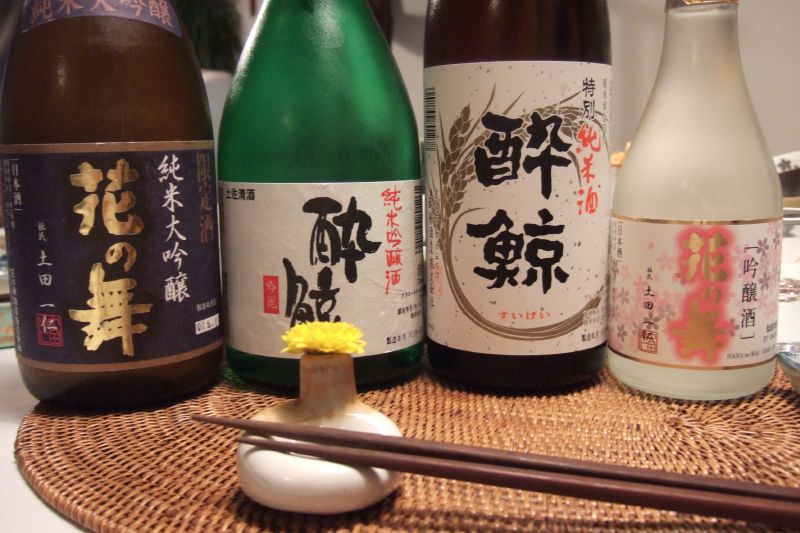
Sake is not rice wine. That’s the first thing to unlearn. It’s brewed, like beer, from polished rice, water, koji mold, and yeast. The “fermentation” part is what separates it from wine. But the ritual, the ceremony, the tiny cups — that is real. I first tasted proper sake at a tiny bar in Kyoto’s Pontocho alley in 2011. The owner poured a chilled glass of Hakkaisan Tokubetsu Junmai and said nothing. I drank it. I got it.
How Sake Is Made — The Three Things That Matter Most
Most people think sake is just fermented rice. That’s like saying wine is just fermented grapes. True, but useless. The real story is more specific.
Rice Polishing Ratio (Seimai-buai)
Brown rice has fats, proteins, and minerals on the outside. Those add off-flavors. Polishing removes them. The percentage left is the polishing ratio. A Junmai Daiginjo must have at least 50% of the grain polished away. A Futsushu (table sake) might only remove 30%. Lower number = cleaner, fruitier, more expensive. The Dassai 23 is polished to 23% — that’s 77% of the grain gone. It tastes like lychee and melon. It costs around $80 a bottle.
Koji Mold — The Secret Ingredient
Koji (Aspergillus oryzae) breaks down rice starch into sugar. Yeast then turns sugar into alcohol. Without koji, no sake. The mold is grown on steamed rice in a humidity-controlled room. Master brewers spend decades learning to spread it evenly. A bad koji batch ruins the whole tank. That’s why small breweries with old wooden tools often produce better sake than big factories.
Water Hardness
Hard water (high in minerals) speeds up fermentation. Soft water slows it down. Nada region in Hyogo uses hard water from the Rokko mountains. That water produces bold, dry sakes like Kiku-Masamune. Kyoto uses soft water from the Fushimi area. That gives softer, sweeter sakes like Gekkeikan. A brewer will tell you water is 80% of the final flavor. They’re not exaggerating.
Quick tip: When you buy sake, check the label for “Seimai-buai” (polishing ratio). Lower number = more delicate flavor. Don’t spend $50 on a bottle with 70% polishing. You’re paying for marketing, not quality.
The Six Official Grades of Sake — And Which One You Should Actually Buy
Japan’s tax agency defined these grades. They are not marketing fluff. They tell you exactly what’s in the bottle.
| Grade | Polishing Ratio | Added Alcohol? | Flavor Profile | Typical Price (720ml) |
|---|---|---|---|---|
| Junmai | No minimum | No | Rich, earthy, full-bodied | $15–$30 |
| Honjozo | 70% or less | Yes (small amount) | Light, smooth, easy-drinking | $12–$25 |
| Ginjo | 60% or less | Optional | Fruity, floral, aromatic | $25–$45 |
| Daiginjo | 50% or less | Optional | Very fruity, elegant, complex | $40–$100+ |
| Junmai Ginjo | 60% or less | No | Fruity but with rice body | $30–$55 |
| Junmai Daiginjo | 50% or less | No | Ultra-clean, refined, expensive | $50–$150+ |
My pick for a first-time buyer: Junmai Ginjo. You get the fruity aromatics of Ginjo without the added alcohol. It’s the sweet spot between complexity and value. Try Hakkaisan Junmai Ginjo ($35). It’s consistently excellent.
If you see “Futsushu” on a label, that’s table sake. It’s cheap, it’s fine for cooking or hot sake at a dive bar, but don’t serve it to guests who know sake.
How to Drink Sake — Temperature, Glassware, and the Pouring Ritual
This is where most beginners mess up. They think sake is always served hot. That’s like thinking wine is always served room temperature. Wrong on both counts.
Temperature Matters More Than You Think
Heat kills delicate aromas. A Daiginjo served hot tastes like cheap cooking sake. Serve it chilled (8–12°C / 46–54°F). A Junmai or Honjozo can go warm (40–50°C / 104–122°F) — the heat brings out umami and masks rough edges. Nigori (unfiltered, cloudy sake) works well chilled or at room temperature. Never microwave sake. Use a hot water bath. A Tokkuri (ceramic flask) in a bowl of hot water for 3 minutes does the job perfectly.
Glassware — Skip the Shot Glass
Wooden boxes (masu) look cool but absorb the sake. You lose liquid and flavor. Use a wine glass for premium sake — the bowl concentrates aromas. A ceramic ochoko (small cup) works for casual drinking. The worst option is a square wooden cup. It’s a tourist gimmick. If a bar serves you sake in a masu, ask for a glass instead. They’ll usually oblige.
The Pouring Etiquette
You never pour your own drink. You pour for others, and they pour for you. Hold the bottle with two hands when pouring for someone else. When someone pours for you, hold your cup with two hands and take a sip before setting it down. This is not optional in formal settings. In a casual bar, nobody cares. Read the room.
Three Common Sake Mistakes — And How to Avoid Them
I made all of these. You don’t have to.
Mistake 1: Storing Sake Like Wine
Sake is not wine. It does not improve with age. Most sake is meant to be drunk within 6–12 months of bottling. Store it in a cool, dark place — a fridge is ideal. Once opened, drink it within 2–3 days. The flavor degrades fast. If you buy a $60 bottle of Dassai 23, drink it that week. Don’t save it for a special occasion. The occasion is the bottle.
Mistake 2: Serving All Sake Cold
Some sakes are better warm. A cheap Futsushu or a robust Junmai can taste harsh when cold. Warm it to 45°C and the rough alcohol notes fade, leaving a smooth, savory flavor. Try Kikusui Funaguchi ($12) warm. It’s a completely different drink.
Mistake 3: Buying the Most Expensive Bottle
Price does not equal quality for your palate. A $100 Junmai Daiginjo might taste like perfume to a beginner. A $20 Honjozo might be more enjoyable. Start with Ginjo or Junmai Ginjo in the $25–$40 range. That’s where the best value lives. Expensive sake is for connoisseurs who can detect the difference. If you’re new, you won’t. Save your money.
When Not to Drink Sake — Alternatives and Tradeoffs
Sake is not always the best choice. Here’s when to skip it.
If you’re pairing with spicy food (Thai, Indian, Sichuan), the heat will obliterate sake’s delicate flavors. A crisp lager or a dry Riesling works better. If you’re on a budget under $15, most sake at that price is low-quality Futsushu. Spend your money on a good craft beer or a Spanish Albariño instead. If you’re at a party where people are doing shots, sake is wasted. They’ll slam it and taste nothing. Save it for a quiet dinner.
Also, not all Japanese alcohol is sake. Shochu is distilled, often from barley or sweet potato. It’s cheaper, stronger (25–35% ABV), and mixes well with soda or hot water. Umeshu (plum wine) is sweet and low-alcohol. If you want a casual drink, order shochu. If you want dessert, order umeshu. Sake is for the main event.
When sake is the only choice: You’re eating raw fish (sashimi or sushi) in a good restaurant. The clean, umami notes of a Junmai or Ginjo complement the fish without overpowering it. Try a Juyondai ($80–$150) if you can find it. It’s the cult favorite for a reason.
How to Order Sake Like You Know What You’re Doing
Walk into a sake bar in Tokyo or Osaka. You see a list with 50 bottles. You panic. Here’s the shortcut.
Step 1: Pick the Grade
Scan for “Junmai Ginjo” or “Ginjo.” That’s the safe middle ground. If you see “Daiginjo,” it’s expensive — ask the price first. Some bars charge $15 for a single glass.
Step 2: Check the Nihonshu-do (Sake Meter Value)
This number tells you sweetness and dryness. Negative numbers (e.g., -5) = sweeter. Positive numbers (e.g., +5) = drier. Most people prefer slightly dry (+2 to +5). If you like sweet, look for -3 or lower. The Dassai 23 has a value around +4 — dry and crisp.
Step 3: Ask for a Taste
Good sake bars will pour a small sample. If they refuse, leave. That’s a red flag. A proper bar wants you to enjoy the sake, not just buy the most expensive pour.
Step 4: Order a “Kikizake Set”
This is a flight of 3–5 small pours, usually from different breweries or grades. It costs $10–$20. You taste the range. You learn what you like. You look like a pro. The bar staff will respect you.
One more thing: Never say “sake bomb.” That’s dropping a shot of sake into a beer. It’s a college party trick. Japanese people find it offensive. Don’t do it.
Where to Buy Sake Outside Japan — And What to Look For
Good sake is available globally now. But the shelves are full of bad bottles. Here’s how to pick a winner.
Check the Bottling Date
Look for a date on the back label. Sake is not wine — it does not age well. Anything older than 18 months is past its prime. The best bottles are less than 6 months old. If there’s no date, skip it. That’s a sign the distributor doesn’t care about freshness.
Buy from Specialty Stores
Total Wine and other big chains stock sake, but the turnover is slow. The bottles sit on shelves for months. Find a Japanese grocery store (Mitsuwa in the US, Japan Centre in the UK) or an online retailer like Tippsysake.com or SakeSocial.com. They ship fresh stock. Expect to pay $20–$60 for a quality 720ml bottle.
My Go-To Bottles for Beginners
Hakkaisan Junmai Ginjo ($35) — clean, slightly dry, pairs with anything. Dassai 39 ($45) — fruitier, more aromatic, great for sipping alone. Kikusui Junmai ($18) — cheap, reliable, good warm or cold. Start with these. You won’t regret any of them.
For a splurge, buy Juyondai Honmaru ($120–$150). It’s hard to find, but when you taste it, you’ll understand the hype. It’s creamy, complex, and finishes like a whisper. That’s the sake that made me stop drinking wine.