
Why Kiribati Stands Out for Eco-Conscious Beach Lovers
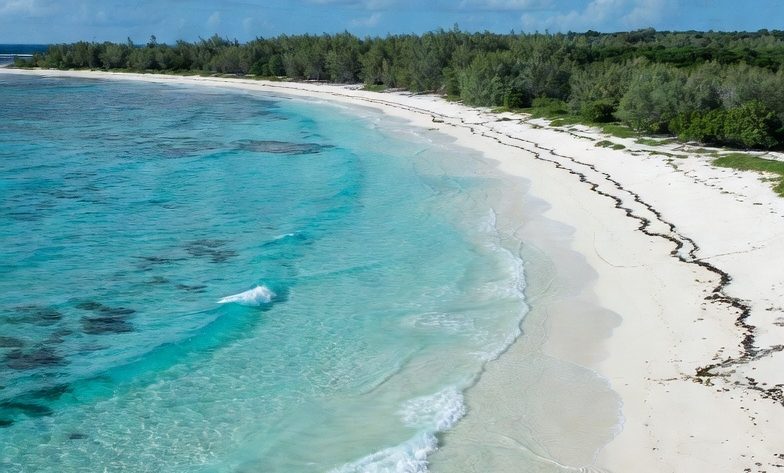
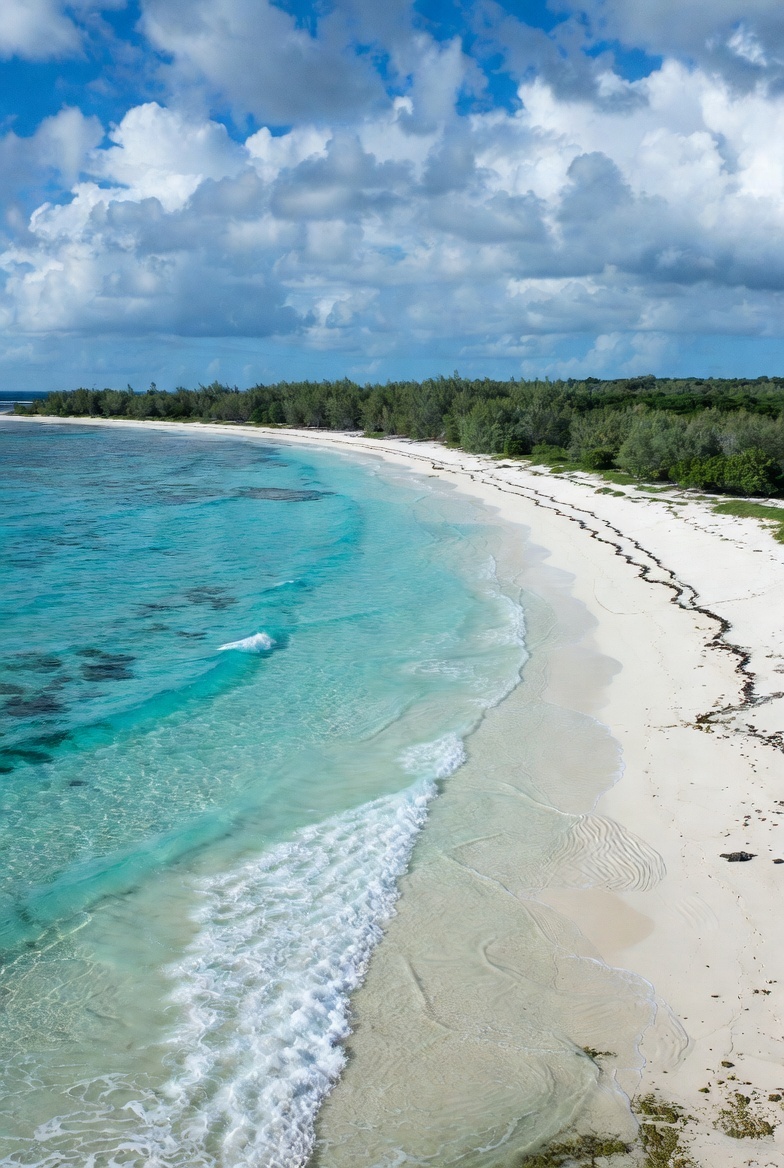
If you’re looking for pristine beaches in Kiribati untouched by crowding and commercial tourism, this remote Pacific nation is a top choice. Comprising 33 atolls spread across the equator, Kiribati’s geographic isolation has helped preserve its natural beauty and limited mass tourism. This means visitors can experience untouched atolls, turquoise lagoons, and quiet shorelines that feel genuinely wild and unspoiled.
Unique Geographic and Environmental Context
- Kiribati consists of 33 small, low-lying coral atolls and reef islands scattered over a vast ocean area.
- Its remote location makes it less accessible, deterring large-scale tourism and keeping the beaches and reefs protected.
- Minimal development preserves the natural environment, offering some of the most eco-friendly beaches in Kiribati.
Strong Conservation Efforts
Kiribati is proud of its commitment to marine and coastal conservation:
- The Phoenix Islands Protected Area (PIPA) is one of the world’s largest marine protected areas, safeguarding vast reef systems and marine life.
- Local communities actively engage in erosion control and habitat restoration projects to combat the effects of natural wear and climate change.
- Efforts to halt coastal degradation include planting mangroves and building natural barriers to keep the shoreline intact.
Environmental Challenges and Local Responses
Kiribati faces serious environmental challenges, but the response is inspiring:
- Rising sea levels threaten many atolls, but local initiatives aim to strengthen natural defenses and raise awareness about climate change impacts.
- Coastal erosion is countered through both traditional methods and community-led restoration projects.
- Plastic pollution is a growing issue, but Kiribati’s communities promote clean-up campaigns and sustainable waste practices to preserve their beaches.
In Kiribati, the blend of natural isolation, strong conservation policies, and community dedication makes it a remarkable destination for anyone passionate about sustainable tourism in Kiribati and coral reef protection.
Top Eco-Friendly Beaches and Coastal Spots in Kiribati
Kiribati offers some of the most pristine beaches and untouched atolls in the Pacific, perfect for eco-conscious travelers. Abaiang Atoll stands out with its pristine sands and eco-lodges where community-run organic farming supports sustainable tourism. Visitors appreciate the genuine connection to local life while enjoying low-impact beach stays.
On Kiritimati Island, you’ll find protected turquoise lagoons and vital bird sanctuaries that thrive under careful conservation. Fly-fishing here is practiced with minimal effect on marine life, making it an excellent spot for visitors who want to enjoy reef-safe activities.
North Tarawa features calm, vegetation-rich shores where natural dune preservation efforts have succeeded, alongside traditional villages that maintain sustainable lifestyles. This area blends cultural immersion with careful environmental stewardship.
Further out, Aranuka and Maiana Atolls offer golden sands and healthy coral reefs ideal for snorkeling without disturbing the untouched marine ecosystems. These spots prioritize marine conservation Kiribati is known for, providing a truly low-impact travel experience.
The remote Phoenix Islands boast some of the largest protected wilderness areas and the most pristine reefs in the world. Limited visitation helps keep this massive sanctuary preserved, making any trip here deeply rewarding for eco-friendly beach lovers.
For those seeking quiet and less-traveled places, Fanning Island provides crowd-free relaxation, while Biketawa Islet offers secluded day trips surrounded by clear waters and abundant sea life.
These coastal spots highlight Kiribati’s commitment to sustainable tourism and coral reef protection, ensuring visitors can enjoy its natural beauty while supporting conservation efforts. For similar island experiences with a focus on sustainability, travelers might also appreciate the remote islands of the Maldives here.
How to Travel Sustainably in Kiribati
Traveling sustainably in Kiribati means making choices that protect its pristine beaches, coral reefs, and local communities. Here’s how you can keep your trip eco-friendly:
| Sustainable Travel Tips | Details |
|---|---|
| Choose eco-accommodations | Stay at community-run eco-lodges powered by solar energy and involved in conservation projects. |
| Practice reef-safe habits | Use biodegradable sunscreen, don’t touch or step on coral, and respect no-take marine zones to protect Kiribati’s coral reef ecosystems. |
| Reduce your plastic footprint | Bring reusable bottles and bags, avoid single-use plastics, and join local beach clean-ups. |
| Respect local culture | Support traditional ways, ask before photographing, and engage respectfully without turning culture into a commodity. |
| Use low-impact transport | Flights to Kiribati are limited; once there, choose ferries or small boats to visit islands, reducing your carbon footprint. |
| Support local economy | Buy handicrafts, eat fresh local food, and book tours or activities led by Kiribati residents. |
These steps help preserve Kiribati’s untouched atolls and its sustainable tourism efforts. By keeping eco-lodges and community-based tourism strong, you’re part of protecting this unique Pacific destination. For more on sustainable travel tips, consider how other island regions balance tourism and nature like some Asian beach markets — understanding parallels helps in being a mindful visitor.
Activities That Align with Eco-Friendly Values
Kiribati offers plenty of activities that let you enjoy its pristine beaches while supporting eco-friendly values. Snorkeling and diving in healthy reefs provide a close-up look at vibrant marine life without harming the coral—just remember to use reef-safe sunscreen and avoid touching the coral. Beachcombing along the turquoise lagoons is peaceful and rewarding, while kayaking lets you explore calm, vegetation-rich shores quietly. Birdwatching in protected areas, like Kiritimati Island’s bird sanctuaries, adds a unique nature experience to your trip.
For those who want to contribute, joining conservation efforts such as mangrove planting or erosion barrier projects helps protect Kiribati’s fragile coastline from rising sea levels and beach erosion. You can also immerse yourself in local culture by learning about traditional sustainable fishing methods and coconut cultivation practices that have supported island communities for generations. These activities create a meaningful connection with the environment and the people who live in harmony with it.
If you’re interested in taking your underwater adventures further, check out adventure diving spots that focus on low-impact travel in sensitive marine areas.
Practical Planning Tips for Your Eco Trip to Kiribati
When planning a visit to the eco-friendly beaches in Kiribati, timing and preparation are key. The best time to visit is during the dry season from May to October, when weather is more stable and ideal for exploring pristine beaches and turquoise lagoons.
Getting There
Flights to Kiribati usually arrive via Fiji or Hawaii, with limited international connections, so book early. Visa requirements are straightforward for many nationalities, but always check current rules before you travel. Health-wise, bring basic medications and consult your doctor about vaccinations, as local medical facilities are limited given the country’s remote location.
Budget and Expectations
Expect a low-cost, authentic experience rather than luxury tourism. Kiribati is remote with minimal mass tourism, so accommodations like eco-lodges focus on community-run, sustainable tourism rather than big resorts. This is perfect if you’re seeking genuine cultural interaction and untouched atolls without crowds.
Climate Awareness
Kiribati is highly vulnerable to climate change impacts such as rising sea levels and beach erosion. Visitors should stay mindful of their environmental footprint and support local conservation efforts. Understanding your role in Kiribati’s fragile ecosystem helps you travel responsibly and contribute to ongoing adaptation and protection efforts.
For more tips on preparing sustainably for your trip, check practical advice on how to prepare for your eco-friendly travel.