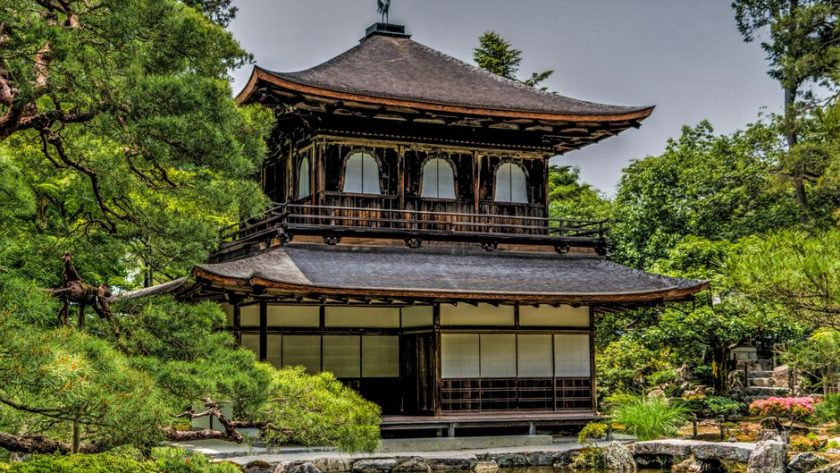
Kyoto received over 40 million visitors in 2019. Many left feeling they’d seen only queues and selfie sticks. That’s the wrong Kyoto. The real city rewards those who know where to go and when. This 4-day plan focuses on depth over breadth. You’ll see fewer sights, but you’ll actually feel them.
Why Most 4-Day Kyoto Itineraries Fail
The standard mistake is trying to do too much. Tourists cram Kiyomizu-dera, Fushimi Inari, Arashiyama, and Kinkaku-ji into two days. They end up exhausted, spending hours on buses, and missing the quiet magic that makes Kyoto special.
Common failure mode #1: ignoring opening hours. Kiyomizu-dera opens at 6:00 AM. Fushimi Inari is open 24 hours. Most travelers arrive at 10 AM with everyone else. They wait 30 minutes just to enter.
Failure mode #2: the bus trap. Kyoto’s buses are slow and packed. A 15-minute taxi ride can save you 45 minutes of waiting and shuffling. Budget an extra $30 per day for taxis. It’s worth it.
Failure mode #3: skipping the evening. Gion at 8 PM is a ghost town of beautiful lantern-lit streets. Most tourists leave after dinner. That’s when the city breathes.
Day 1: The Eastern Hills — Temples and a Tea Ceremony
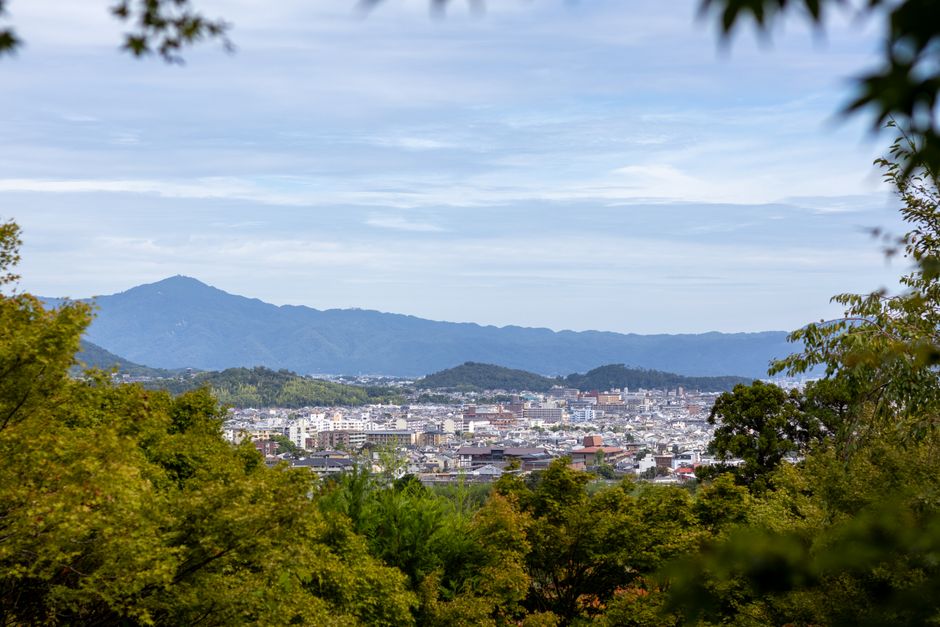
Start at Kiyomizu-dera (¥400, opens 6:00 AM). Arrive by 6:30 AM. You’ll have the wooden terrace almost to yourself. The sunrise over Kyoto is worth the early alarm.
Walk down the Philosopher’s Path (about 2 km, 30 minutes at a slow pace). It’s lined with cherry trees and tiny temples. Stop at Honen-in (free) — it’s almost always empty and has a moss garden that feels ancient.
Book a tea ceremony at Camellia Tea Experience (¥2,500, 45 minutes). They speak English and explain each step. It’s not a tourist trap — it’s a real cultural practice taught by a certified instructor.
End the day at Pontocho Alley. Eat at Gion Tanto (¥3,000–5,000 for a set meal). Sit by the river if you can. The view is free.
Day 2: The Western Zen Circuit — Rock Gardens and Bamboo
Skip Arashiyama Bamboo Grove at peak hours (10 AM–3 PM). Go at 7:30 AM or skip it entirely and visit the smaller Okochi Sanso Garden (¥1,000) right next to it. It has a bamboo grove with 90% fewer people.
Then take a taxi to Ryoan-ji (¥500). This is the famous rock garden. Sit on the veranda for 20 minutes. Count the rocks. You can never see all 15 from any single angle. That’s the point.
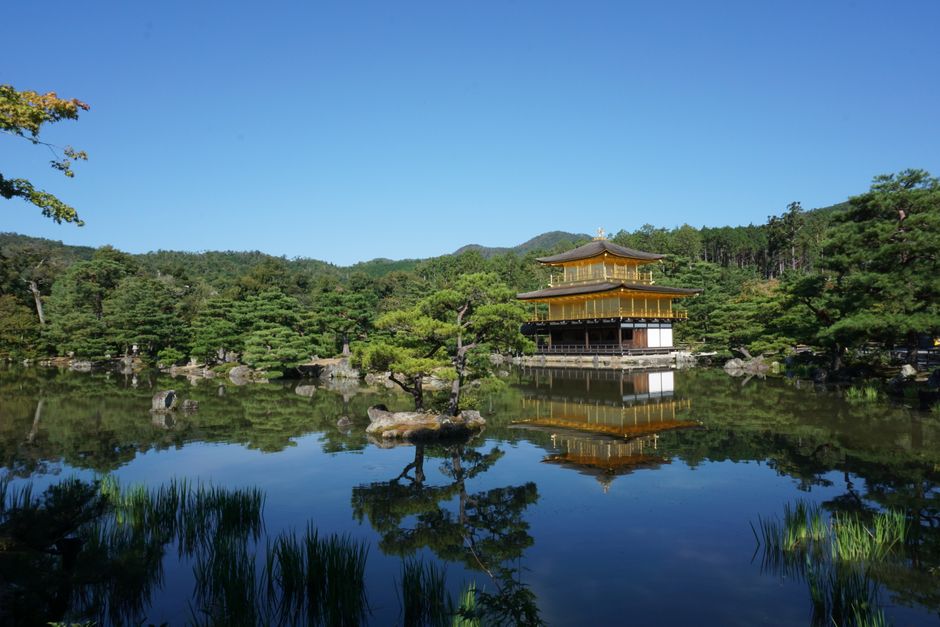
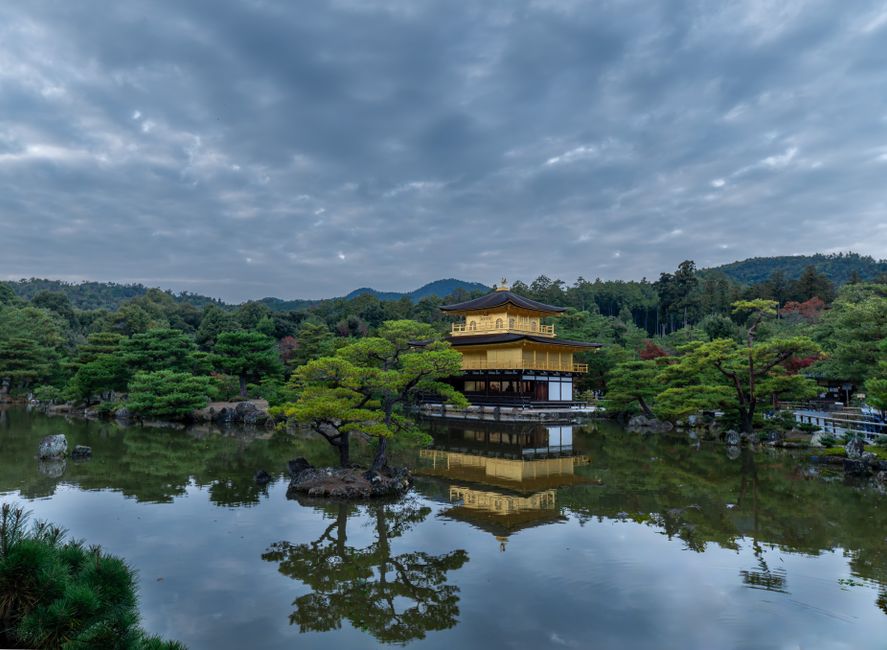
Walk 10 minutes to Kinkaku-ji (¥400). It’s the gold pavilion. It’s crowded. But it’s genuinely stunning. Go, take your photo, leave. 20 minutes is enough.
Alternative if you hate crowds: skip Kinkaku-ji and go to Daitoku-ji (¥400). It’s a massive temple complex with 20+ sub-temples, almost no tourists, and some of the best Zen gardens in Kyoto. Spend 2 hours wandering.
Day 3: The Northern Hills — Craft, Food, and Hidden Temples
Take a taxi to Kibune (30 minutes from central Kyoto, ¥3,500). This mountain village has a river running through it. In summer, restaurants set up platforms over the water (kawadoko). Eat soba noodles at Hirobun (¥2,000–4,000). They slide the noodles down a bamboo tube to your table.
Walk the Kurama to Kibune hike (1 hour, moderate). It goes through a cedar forest with a shrine halfway up. It’s cool, quiet, and smells like wet earth. You’ll see maybe 5 other people.
In the afternoon, visit Nishiki Market. It’s a covered food market with 130 shops. Try pickled vegetables at Nishiki Yoko (¥300 for a sample set) and fresh mochi at Demachi Futaba (¥180 each).
Take a sake tasting at Gekkeikan Okura Sake Museum (¥400, includes two tastings). It’s a 10-minute walk from the market. They explain the brewing process in simple English.
Day 4: Southern Kyoto — Fushimi Inari and a Samurai Experience
Go to Fushimi Inari Taisha at 6:00 AM. The main path is lit and safe. You’ll have the thousands of red torii gates to yourself for the first hour. Walk up to the Yotsutsuji intersection (about 30 minutes). The view of Kyoto is clear and quiet.
| Time | Activity | Cost | Tip |
|---|---|---|---|
| 6:00–7:30 AM | Fushimi Inari (lower section) | Free | Bring a flashlight for the darker upper paths |
| 8:00–9:30 AM | Breakfast at Vermillion Café (near the shrine) | ¥1,200 | Try the matcha latte with red bean toast |
| 10:00 AM–12:00 PM | Samurai & Ninja Museum (Kyoto) | ¥2,400 | Book online for a samurai costume and sword lesson |
| 12:30–2:00 PM | Lunch at Kikunoi (Michelin-starred kaiseki) | ¥8,000–15,000 | Reserve 2 months ahead. Lunch is cheaper than dinner |
| 3:00–5:00 PM | Relax at Tofuku-ji (zen garden) | ¥400 | Best in autumn for maple leaves, but beautiful year-round |
After lunch, visit Tofuku-ji. It has one of the most underrated zen gardens in Kyoto. The moss-covered hills and wooden bridges feel like a Studio Ghibli film.
When to Skip This Itinerary (and What to Do Instead)
This plan assumes you want peace, culture, and early mornings. If you’re traveling with kids under 10, skip the early temple visits. They’ll be bored. Instead, go to Kyoto Railway Museum (¥1,200) and Toei Kyoto Studio Park (¥2,400) — both are fun and hands-on.
If you’re on a tight budget (under $60/day), skip the taxis and the kaiseki lunch. Use the bus pass (¥1,100/day) and eat at convenience stores or ramen shops. Your itinerary will still work, but you’ll spend more time commuting.
If you have mobility issues, avoid the Philosopher’s Path and the Kurama hike. Both have uneven stone steps. Stick to flat areas like Heian Shrine (free, paved paths) and Nijo Castle (¥1,030, flat grounds).
The real tradeoff is depth vs. quantity. This plan gives you 4–6 experiences per day instead of 10. You’ll remember the quiet moments — the smell of incense at Honen-in, the cold soba sliding down the bamboo tube — more than any checklist.