

Picture this: You land in Paris with $1,200 in your bank account and 30 days to see Europe. By day three, you’ve spent $90 on a single mediocre dinner near the Eiffel Tower. Panic sets in. That’s the reality for most first-time budget travelers. But here’s the thing — the math works if you change the cities, the timing, and the rules you’re playing by. This guide is not a fantasy. It’s a breakdown of exactly how to keep daily costs under $50 in 2026, including accommodation, food, transport, and one attraction per day.
Why $50 Works in Some European Countries But Not Others
The single biggest mistake travelers make is assuming Europe is one price zone. It’s not. A coffee in Zurich costs $6.50. The same coffee in Krakow costs $1.80. That difference compounds fast.
Western Europe (France, Italy, UK, Switzerland, Netherlands, Scandinavia) will push you past $50/day unless you camp, cook every meal, and walk everywhere. Even then, accommodation in Paris averages $45/night for a hostel dorm. That leaves $5 for everything else. Not realistic for most people.
Eastern and Central Europe (Poland, Czech Republic, Hungary, Romania, Bulgaria, Baltic states, Portugal outside Lisbon) is where $50/day becomes comfortable. You get a private hostel room in Bucharest for $18. A full meal at a local restaurant costs $7. A train ticket between cities runs $10-15. This is the budget traveler’s sweet spot in 2026.
The Real Numbers: Daily Budget Breakdown (Eastern Europe)
| Category | Cost (USD) | Notes |
|---|---|---|
| Accommodation (hostel dorm) | $15 | Booking 2+ weeks ahead on Hostelworld gets $12-18 range |
| Breakfast (bakery + coffee) | $3 | Local bakery, not hotel buffet |
| Lunch (street food or market) | $5 | Kebap, pierogi, burek — filling and cheap |
| Dinner (cook at hostel or cheap restaurant) | $7 | Use hostel kitchen or find daily specials |
| Local transport (bus/tram day pass) | $3 | Most cities under $4 for unlimited rides |
| One attraction (museum, castle, walking tour) | $8 | Free walking tours + student discounts help |
| Miscellaneous (water, snack, SIM data) | $4 | Fill water bottle at hostel — tap water is safe in most EU cities |
| Total | $45 | Room for a small buffer |
Western Europe requires $70-90/day for the same standard. If your budget is $50, do not start in London or Amsterdam. Start in Warsaw, Budapest, or Porto.
Transport: The Biggest Trap and How to Beat It
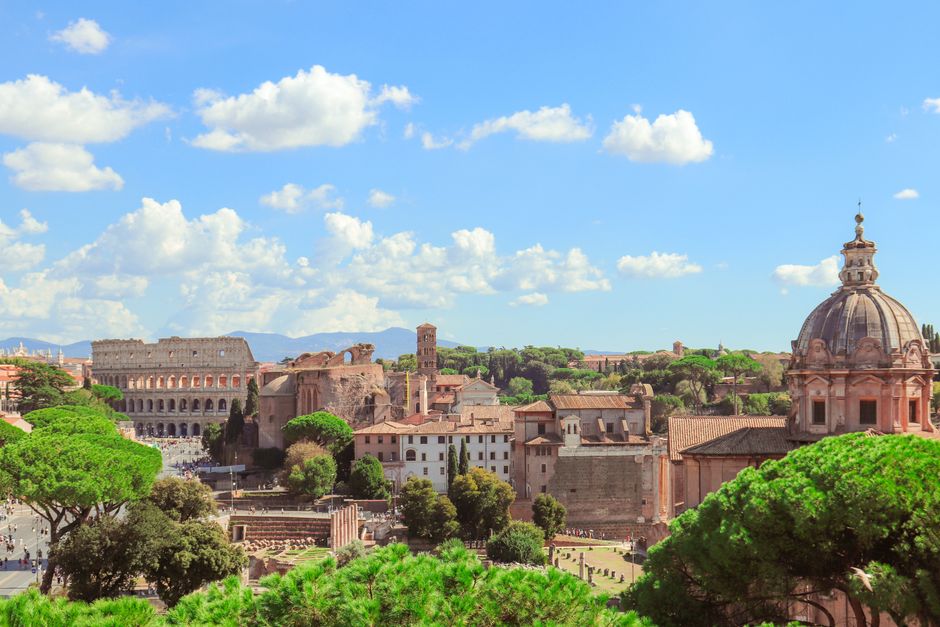
Most budget travelers blow their budget on transport between cities. A last-minute train from Rome to Florence costs $50. That’s your entire day’s budget gone in two hours.
The fix is advance planning and choosing the right mode for each route.
FlixBus is your best friend. A bus from Prague to Vienna costs $9 if booked 14 days ahead. Same route by train is $35. FlixBus covers almost every European city. The buses have WiFi, power outlets, and toilets. They run on time 90% of the time. For routes under 6 hours, this is the default choice.
Ryanair and Wizz Air can be cheaper than buses for longer distances. A flight from Milan to Krakow costs $15 if you book 3-4 weeks out and pack only a personal item (40x20x25cm). The catch: airports are often far from city centers. Factor in $5-8 each way for bus transfers. Still beats a $60 train.
Eurail passes are not worth it on a $50/day budget. The global pass costs $450+ for 15 days. That’s $30/day just for trains. You still pay reservation fees ($5-15) on high-speed trains. Buy point-to-point tickets on Omio or direct from operators. You’ll spend 40-60% less.
Mistake to Avoid: The Overnight Train Trap
Overnight trains sound perfect — save a night’s accommodation AND travel while sleeping. In reality, a sleeper cabin on Nightjet from Vienna to Rome costs $75. A seat in a couchette is $45. You barely sleep, arrive groggy, and still need a shower. The better move: take a late FlixBus ($12), arrive at 3am, sleep in the 24-hour bus station lounge until 6am, then check into your hostel early. It’s not glamorous. It saves $30.
Where Your Food Budget Leaks (and How to Plug It)
Eating three restaurant meals a day in Europe will cost $30-50. That leaves nothing for accommodation or transport. The solution is not “eat less” — it’s changing where and how you eat.
Hostel kitchens are underused. A $5 grocery run at Lidl or Aldi (both are everywhere in Europe) gets you pasta, sauce, a bell pepper, and an apple. That’s dinner for two nights. Cook with other travelers and split the cost. Most hostels have oil, salt, and basic spices free to use.
Too Good To Go is an app that lets you buy unsold food from bakeries, supermarkets, and restaurants at 50-70% off. A “surprise bag” from a French bakery costs $4 and contains 4 croissants, a pain au chocolat, and a baguette. That’s breakfast and lunch. The app works in 15+ European countries as of 2026.
Street food is your lunch default. In Berlin, a döner kebab costs $4.50 and is a full meal. In Warsaw, pierogi from a milk bar (bar mleczny) cost $3. In Istanbul, a simit (sesame bread ring) costs $0.50. Learn the local cheap eats before you arrive. They are not tourist traps — they are what locals eat.
When NOT to Cook
If your hostel kitchen is filthy or overcrowded, skip it. A $7 meal at a local restaurant is better than wasting an hour cleaning a dirty stove. Trust your judgment. The $50/day budget has a $5 buffer for exactly this kind of decision.
Accommodation: Dorms, Private Rooms, and the Couchsurfing Question

Hostel dorms are the standard for $50/day. A bed in a 6-8 person dorm in Eastern Europe costs $12-18. In Western Europe, $25-35. That single difference is why your budget works in Krakow but not in Copenhagen.
Hostelworld remains the most reliable booking platform in 2026. Filter by rating (8.5+), then by price. Read recent reviews for noise level and cleanliness — a $14 dorm with a 9.0 rating is a better deal than a $12 dorm with a 6.5 rating. You pay for sleep quality.
Couchsurfing (the app, not the concept) has declined. Many hosts now expect gifts or meals that cost more than a hostel bed. Plus, the time investment of messaging 10+ hosts is not worth it for a 2-night stay. Use it only for 4+ nights in one city where you genuinely want to meet a local.
Private rooms in hostels are a splurge that breaks the budget. A private in a good hostel costs $35-50. That leaves $0-15 for everything else. Not recommended unless you have a separate savings buffer. Stick to dorms.
Gear That Saves You Money
A sleeping bag liner ($15 on Amazon) means you can skip hostels that charge for sheets. A padlock ($8) is mandatory — most lockers require your own. A universal sink plug ($3) lets you hand-wash clothes in any sink, skipping laundry fees ($5-8 per load). These three items cost $26 total and save $100+ over a month.
What Happens When You Break the $50 Rule
You will have days where you spend $70. It happens. A museum you can’t skip. A train delay that forces a more expensive route. A night out with new friends. The key is not to panic and not to let one expensive day derail the whole trip.
The fix: build a buffer fund of $100-150 before you leave. That covers three blowout days over a month. Alternatively, plan two “cheat days” per week where you spend only $30 — cook all meals, walk everywhere, visit only free attractions. That gives you $20 to roll into the next day.
Revolut or Wise cards are essential. They give you mid-market exchange rates with no fees. Withdraw cash once per week (most Eastern European countries still prefer cash for small purchases). Keep $50 emergency cash hidden in your shoe or bag. Not in your wallet.
The $50/day budget is not a prison sentence. It’s a framework. Follow it 80% of the time and you’ll finish your trip with money left over. That’s the real victory — not just seeing Europe, but seeing it without going home broke.