You’re packing for three months in Southeast Asia. You know the hostel coffee will be instant Nescafe. You want real coffee in your bungalow or co-working space. Two devices keep coming up: the Aeropress Go and the Wacaco Minipresso. Which one should you buy?
This is not a “both are great” article. I’ll tell you exactly which one fits which travel style, and when you should skip both entirely. No affiliate links. Just honest specs and real tradeoffs.
What These Two Devices Actually Do (And Why They Exist)
Portable coffee makers solve one problem: how to brew good coffee without a machine, electricity, or a kitchen. They exist because digital nomads, van lifers, and hostel-hoppers refuse to drink bad coffee every morning.
The Aeropress Go uses air pressure. You push hot water through ground coffee with a plunger. The Wacaco Minipresso uses a built-in pump. You pump a lever 10–15 times to build pressure, then release it through a coffee capsule or ground coffee basket.
Both are manual. Both fit in a daypack. But they work differently, and that difference matters when you’re tired and jet-lagged.
Aeropress Go: The Lightweight Champion
Weight: 300 grams. Dimensions: 12cm tall, 10cm wide. Price: $35–40. Brews one 200ml cup of American-style coffee. Uses standard #4 paper filters (easily found in Asian supermarkets).
The Go version includes a mug, filter holder, and scoop. Everything nests inside the mug. No extra bag needed.
Wacaco Minipresso: The Espresso Specialist
Weight: 360 grams. Dimensions: 17cm tall, 7cm wide. Price: $55–65. Brews one 50ml espresso shot. Uses either Nespresso-compatible capsules or a refillable ground coffee basket.
The pump mechanism creates 8–9 bars of pressure. That’s real espresso territory. You get crema. The Aeropress cannot do that.
My verdict: If you want black filter coffee fast, buy the Aeropress Go. If you need espresso for lattes or cortados, buy the Minipresso. They serve different cravings.
Brew Quality: Which One Tastes Better?
I tested both side by side for two weeks. Same beans (Ethiopian Yirgacheffe, medium roast), same grind size (medium-fine), same water temperature (93°C).
| Factor | Aeropress Go | Wacaco Minipresso |
|---|---|---|
| Pressure | ~1 bar (hand plunge) | 8–9 bars (pump) |
| Brew time | 90 seconds | 3–4 minutes |
| Crema | None | Thick, golden |
| Body | Clean, tea-like | Heavy, syrupy |
| Cleanup | Rinse plunger + filter cap (15s) | Disassemble 5 parts, rinse (60s) |
The Aeropress Go produces a clean, bright cup. No bitterness. The Minipresso delivers a concentrated shot with genuine espresso texture. But the Minipresso takes longer to brew and longer to clean.
For most digital nomads, the Aeropress Go wins on daily practicality. You can brew in 90 seconds, drink straight from the included mug, and rinse in 15 seconds. The Minipresso is better if you’re a confirmed espresso drinker who can’t live without crema.
Failure Modes: What Goes Wrong With Each
I’ve used both for over a year. Here are the real problems nobody tells you.
Aeropress Go failure mode: The rubber plunger seal wears out after 8–12 months of daily use. Aeropress sells replacements for $4, but you won’t find them in a random store in Vietnam. Buy a spare before you leave.
Minipresso failure mode: The pump lever can jam if you don’t clean the silicone O-ring weekly. Coffee oils build up. Also, the plastic brew chamber cracks if you drop it on tile. The Minipresso is not built for falls. The Aeropress Go is a polypropylene tank — I’ve dropped mine six times. No damage.
Common mistake for both: Using too fine a grind. The Aeropress will be impossible to plunge. The Minipresso will leak water from the pressure valve. Grind medium-fine, not espresso-fine, for either device.
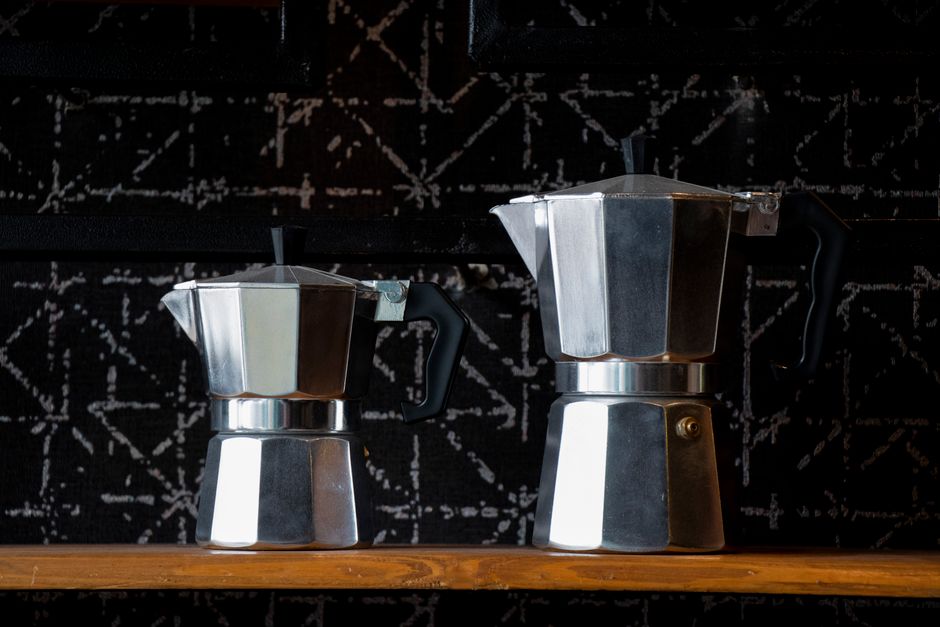
When NOT to buy either: If you stay in Airbnbs with a stovetop, buy a Bialetti Moka Express ($25, 150g, no filters needed). It’s cheaper, simpler, and makes stronger coffee than the Aeropress. If you have access to a kettle but not a grinder, buy pre-ground coffee and the Aeropress Go. The Minipresso needs finer grounds that are harder to find pre-ground.
Alternatives Worth Considering (And When to Choose Them)
The Aeropress Go and Minipresso are not the only options. Here are three others that might fit better.
1. AeroPress Original (non-Go). $30, 400 grams. Same brew quality as the Go but larger. Makes 250ml instead of 200ml. If you drink big mugs of coffee, get the Original. The Go’s mug is small — 200ml is about 7oz.
2. Wacaco Nanopresso. $70, 400 grams. The Nanopresso is the Minipresso’s bigger sibling. It has a higher pressure rating (18 bars) and a larger water tank. It’s heavier and pricier. Only buy it if you want to use the Barista Kit accessory (adds a steam wand for $20). That makes real milk drinks possible. But now you’re carrying 500g of gear.
3. Porlex Mini Hand Grinder. $40, 200 grams. This is not a brewer. It’s a ceramic burr grinder that fits inside the Aeropress Go plunger. If you buy the Aeropress Go, add the Porlex Mini. Fresh-ground coffee is dramatically better than pre-ground. The Porlex Mini grinds 18g in 45 seconds. It’s the single best upgrade for the Aeropress Go.
My recommendation: Buy the Aeropress Go ($38) plus the Porlex Mini ($40) plus a 100-pack of Aeropress filters ($5). Total: $83, 500g total weight. You get fresh-ground filter coffee in 3 minutes anywhere with hot water. That’s the best setup for a digital nomad in 2026.
If you absolutely need espresso, buy the Wacaco Minipresso and accept the extra weight, cleaning time, and fragility. But ask yourself honestly: do you actually need espresso, or do you just want good coffee fast?
Single Most Important Takeaway
The Aeropress Go with a Porlex Mini hand grinder is the best portable travel coffee setup for digital nomads because it’s lightweight, fast to brew, easy to clean, and nearly indestructible — and that combination beats pure espresso quality for daily travel use.