You booked Kyoto because you wanted to see the golden pavilion reflected in still water. Instead, you got a selfie stick to the ribs at Kinkaku-ji. The bamboo grove at Arashiyama looked like a department store escalator at 11 AM. And you spent 40 minutes on a bus that should have taken 12.
I’ve been to Kyoto six times in the last four years. The difference between a trip you hate and one you love isn’t luck. It’s timing and a willingness to walk past the first 200 people in line. This itinerary is built for 2026 — post-COVID crowds are back, and they’re worse than ever. Here’s how to beat them.
Day 1: The Golden Pavilion at Dawn (Then Run Away)
Kinkaku-ji opens at 9:00 AM. If you arrive at 9:05, you’re already behind 300 people. The tour buses roll in at 9:30. By 10, you’re shuffling shoulder-to-shoulder past a pond you can barely see.
Solution: arrive at 8:30. The gates aren’t open, but the outer grounds are accessible. You’ll be the first through when they unlock. You get the reflection shot clean. Then you leave before the chaos starts. Total time at Kinkaku-ji: 25 minutes. That’s all you need.
From there, walk 15 minutes to Ryoan-ji. This is the rock garden temple. Most tourists skip it because they’re stuck at Kinkaku-ji. You’ll have the garden almost to yourself. Sit on the wooden porch for ten minutes. Don’t take a photo. Just look.
Lunch at Nishiki Market around noon is a mistake — the narrow aisles become a human river. Go at 11 AM instead. Grab a skewer of grilled mochi from Nishiki Koji (¥300) and a cup of matcha soft serve from Uji Tsujiri (¥400). The market is 400 meters long. Take your time. Buy a small knife from Aritsugu if you cook — they’ve been making blades since 1560.
Day 2: Fushimi Inari at Night (The Only Way)
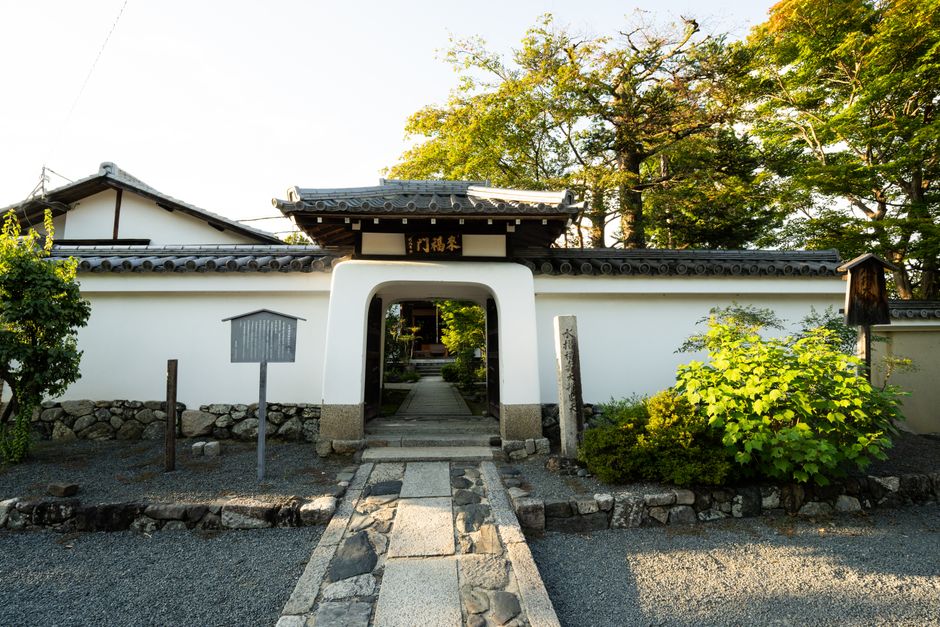
Fushimi Inari-taisha is Kyoto’s most-visited site. 10,000 gates. Red. Photogenic. And during the day, it’s a conga line of influencers blocking every shot.
Go at 6:30 PM in summer, or 4:30 PM in winter. The gates are lit by lanterns. The crowds thin to a trickle. You can walk the full 4-kilometer loop up the mountain without bumping elbows. The higher you climb, the fewer people you’ll see. At the summit, there’s a small shrine and a vending machine with hot tea. Weird, but welcome.
Bring a flashlight. The path gets dark, and phone flashlights drain battery fast. Wear shoes with grip — the stone steps get slick from moss.
Afterward, walk 10 minutes to Kyoto Ramen Koji in Kyoto Station’s 10th floor. It’s a collection of eight regional ramen shops. Iekei Ramen from Yokohama is my pick — thick pork broth, flat noodles, a soft-boiled egg. ¥1,100. Cash only.
Day 3: Arashiyama Bamboo Grove at 6:30 AM (No Joke)
The Arashiyama Bamboo Grove is the most disappointing tourist trap in Japan if you go at noon. The bamboo is real. The light is gorgeous. The 3,000 other people standing in your frame are not.
Set an alarm for 5:30 AM. Take the JR Sagano Line from Kyoto Station to Saga-Arashiyama Station (16 minutes, ¥240). Walk 5 minutes to the grove entrance. You’ll arrive at 6:30 AM. You’ll have the grove to yourself for about 30 minutes. The light filters through the bamboo shafts. You can hear the stalks creak. This is the experience you paid for.
By 7:15, the first tour group arrives. You leave and walk to Tenryu-ji, which opens at 8:30. The garden here is better than the bamboo grove. ¥500 entry. Sit on the veranda overlooking the pond. The painted ceiling in the main hall is a dragon that took 15 years to complete.
Midday option: take the Sagano Romantic Train (¥620 one-way, 25 minutes) along the Hozugawa River. Book tickets a week ahead online — they sell out. Or skip it and walk the riverside path instead. Free. Just as pretty.
Day 4: The Philosopher’s Path and a Real Tea Ceremony
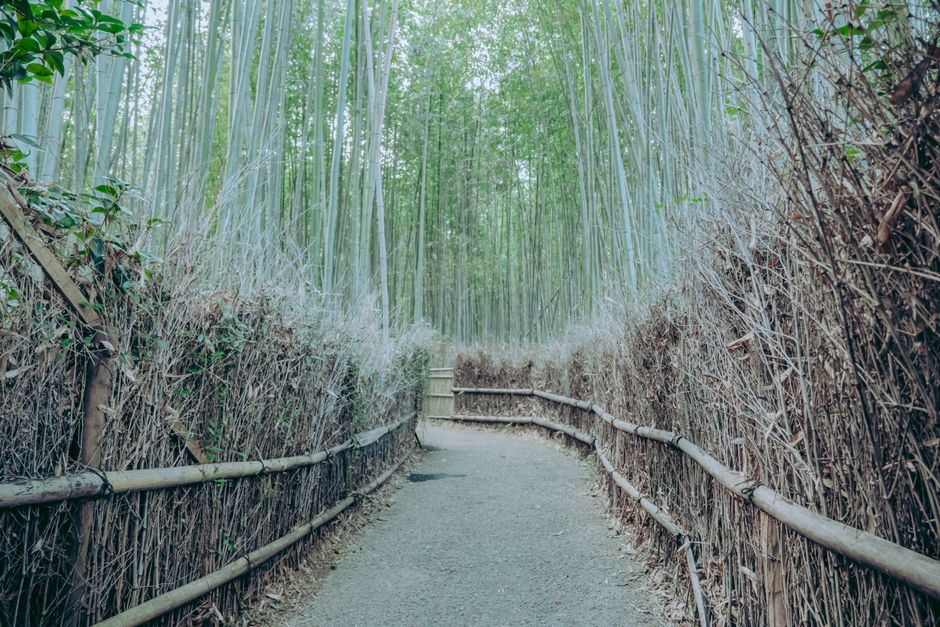
The Philosopher’s Path is a 2-kilometer stone walkway along a canal lined with cherry trees. In April, it’s packed. In October, it’s peaceful. Either way, start at Ginkaku-ji (the Silver Pavilion) at 8:00 AM. The temple itself is understated — a sand garden with a cone-shaped mound that gets raked every morning. Worth ¥500.
Walk the path south. Stop at Honen-in, a small temple most tourists miss. The moss-covered gates and thatched roof feel like a Studio Ghibli set. Free entry. Leave a ¥100 donation.
End at Nanzen-ji, a massive temple complex with a 22-meter tall gate. Climb it. The view over Kyoto is worth the steep stairs.
In the afternoon, book a real tea ceremony — not the 15-minute tourist version. Camellia Tea Experience in Higashiyama runs 45-minute sessions for ¥3,500. You learn the whisking technique, the proper way to hold the bowl, and why you rotate it twice before drinking. The host speaks English and doesn’t rush you. Reserve online 2 weeks ahead.
Where to Eat Without Waiting 2 Hours
Kyoto has a problem: the best restaurants have lines that wrap around the block. Here’s how to skip them.
| Restaurant | What to Order | Best Time to Go | Price (¥) |
|---|---|---|---|
| Omen (Pontocho) | Udon noodles with sesame dipping sauce | 11:00 AM (opens 11:30, queue by 11) | 1,200 |
| Ippudo (Kyoto Station) | Tonkotsu ramen, extra pork | 10:30 PM (late dinner, no queue) | 980 |
| Gion Tanto | Omakase sushi (8 pieces) | 5:00 PM (reservation only) | 3,500 |
| Kichi Kichi Omurice | Omurice with demi-glace sauce | 11:30 AM (line starts at 11) | 1,500 |
Rule of thumb: if you see a line at 12:30 PM, walk away. Go to a konbini (7-Eleven or FamilyMart) for an egg sandwich and onigiri. ¥400. Eaten on a park bench. Better than wasting an hour standing in the sun.
The Biggest Mistake Tourists Make (And How to Fix It)
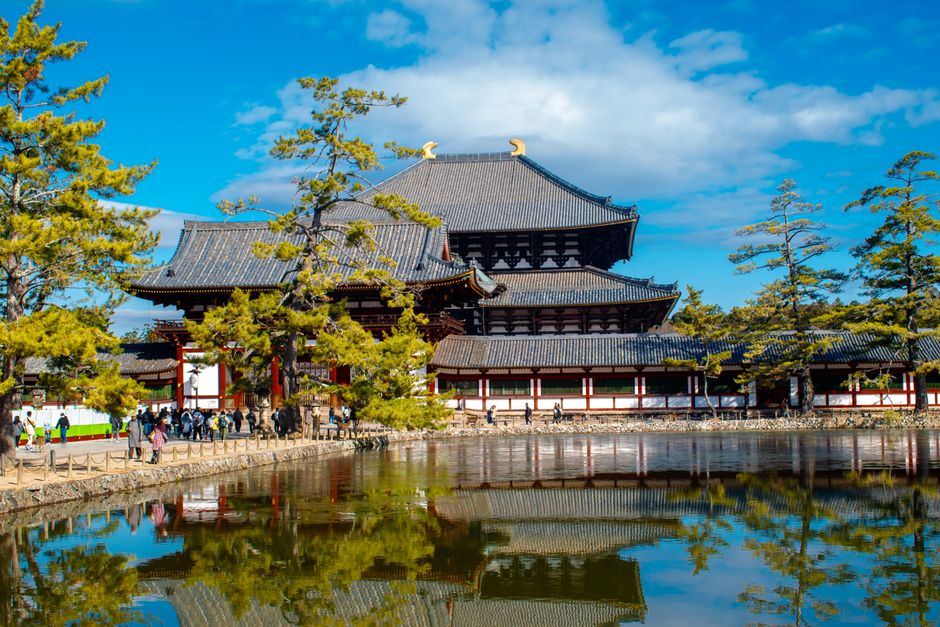
They buy a Kyoto City Bus One-Day Pass (¥700) and think it covers everything. It doesn’t. The buses are slow, crowded, and get stuck in traffic. A 15-minute walk takes 40 minutes by bus during peak hours.
Walk instead. Kyoto is compact. The distance from Kinkaku-ji to Ryoan-ji is 1.2 kilometers — a 15-minute walk through a residential neighborhood with small temples you’d miss from a bus window. From Fushimi Inari to Kyoto Station is 2 kilometers. Walk it along the Kamo River. You’ll pass locals fishing and cranes standing in the shallows.
For longer distances, use the subway. The Karasuma Line runs north-south. The Tozai Line runs east-west. Single rides cost ¥210-340. A one-day subway pass is ¥600. Faster than buses every time.
Rent a bicycle from Kyoto Cycling Tour Project (¥1,000/day). They have electric-assist bikes that make the hills around Kiyomizu-dera manageable. Reserve online 48 hours ahead. They sell out in spring and autumn.
What to Skip So You Don’t Waste Your Trip
Kiyomizu-dera during peak hours (10 AM-3 PM). The wooden stage is iconic. The view is great. But you’ll spend 30 minutes in a ticket line and another 20 minutes shuffling across the platform. Go at 7:30 AM when it opens. Or skip it entirely and visit Kodai-ji instead — smaller, quieter, and the bamboo garden behind it is better than Arashiyama.
Geisha spotting in Gion. You’ll stand on a street corner with 50 other tourists holding phones. The geiko (Kyoto’s term for geisha) walk quickly and don’t stop for photos. It’s uncomfortable for everyone. Book a maiko performance at Gion Corner (¥3,150, 1 hour) instead. You’ll see real dance and music in a theater, not a street chase.
The Kyoto Tower observation deck. ¥770 for a view that’s fine but not special. Go to the Kyoto Station Skyway instead — it’s free, open until 10 PM, and gives you a similar view from the 15th floor. The real magic is watching the trains pull in and out below.