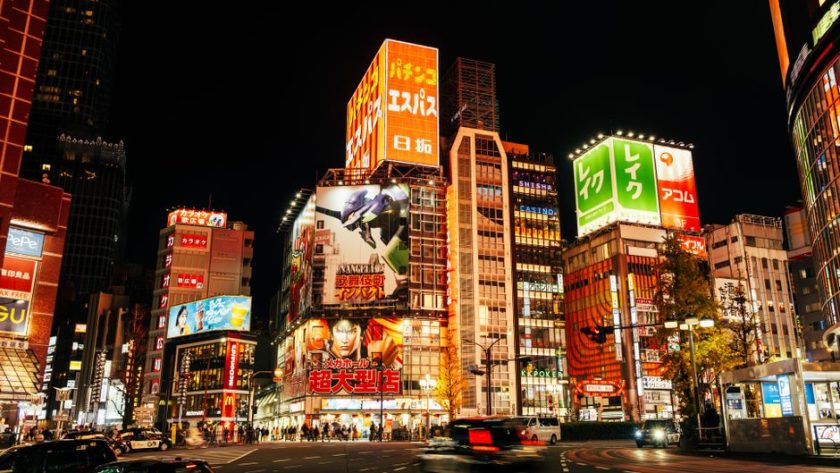
You booked a capsule hotel near Shinjuku Station because every blog said it’s “the authentic Tokyo experience.” Then you spent the night listening to a German tourist snore six inches from your face, and your back still hurts from the foam mattress. I’ve made that mistake. And four others. Here’s what actually works.
Myth 1: Capsule Hotels Are the Cheapest Option in Tokyo
Capsule hotels start around ¥3,500–¥5,000 per night ($25–$35). Sounds cheap. But you pay extra for everything — lockers, showers, towel rental. A basic private room at a business hotel like Toyoko Inn or APA Hotel costs ¥6,000–¥8,000 ($42–$56). For that extra ¥1,000–¥3,000, you get a real bed, a door that locks, your own bathroom, and silence.
Do the math. A capsule hotel with all fees added: about ¥5,500. A Toyoko Inn twin room split with a friend: ¥3,500 per person. The private room wins on value, comfort, and security.
When a Capsule Actually Makes Sense
If you missed the last train and need to crash near the station for six hours, a capsule works. Nine Hours (¥4,500) and First Cabin (¥5,500) are cleaner and quieter than the budget options. But for a full night’s sleep? No.
Myth 2: You Must Stay in Shinjuku or Shibuya
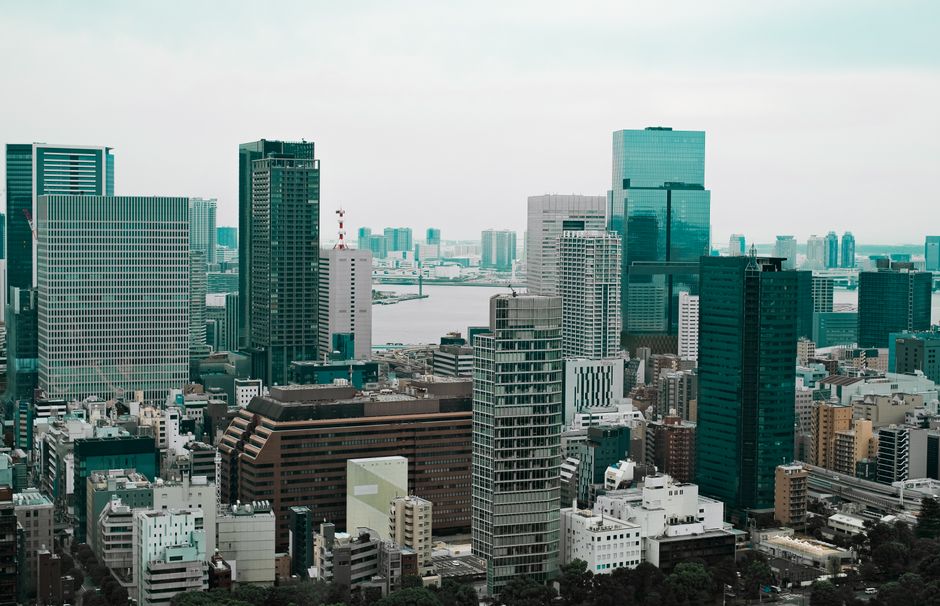
Every first-timer aims for Shinjuku or Shibuya. Rooms there cost 30–50% more than identical rooms in neighboring wards. A double room at Citadines Shinjuku runs ¥18,000–¥22,000. The same chain, Citadines Namba in Osaka, charges ¥10,000. Tokyo’s premium wards are overpriced for what you get.
Better strategy: stay near a station on the Yamanote Line loop, but one or two stops away from the tourist hubs. Ueno, Akihabara, and Tamachi offer rooms 25–40% cheaper. You’re still 10 minutes from Shinjuku by train.
| Neighborhood | Avg. Double Room (¥) | Train to Shinjuku | Verdict |
|---|---|---|---|
| Shinjuku | ¥20,000 | 0 min | Overpriced for budget |
| Shibuya | ¥18,500 | 6 min | Crowded, loud at night |
| Ueno | ¥11,000 | 12 min | Best value for culture lovers |
| Akihabara | ¥10,500 | 8 min | Quiet at night, great transport |
| Asakusa | ¥9,000 | 18 min | Cheapest, old-town charm |
Myth 3: Love Hotels Are Only for Couples
Love hotels get a bad reputation. But many are clean, themed, and cheaper than standard hotels. Hotel & Spa J-Mex in Shinjuku charges ¥7,000 for a room with a jacuzzi, karaoke machine, and massage chair. A standard business hotel room nearby costs ¥9,000 for a bed and a desk.
The catch: you must check in after 8 PM for the cheap “rest” rate. For an overnight stay, expect ¥10,000–¥15,000. Still competitive. Just avoid the ones with vending machines selling weird stuff in the lobby. Go for chains like Hoteru no Yado or J-Mex that cater to tourists.
Myth 4: Ryokan Are Always Worth the Splurge
A traditional ryokan in Tokyo costs ¥30,000–¥60,000 per person per night. That includes dinner and breakfast. The experience — tatami mats, onsen bath, kaiseki meal — is genuine. But many Tokyo ryokan have thin walls, shared bathrooms, and strict check-in times (usually 3–6 PM sharp).
If you’re jet-lagged and arrive at 9 PM, you miss the dinner. You paid ¥40,000 for a futon and a cold breakfast.
Better option: book a modern hotel with a public bath. Hoshinoya Tokyo (¥80,000+ for two) offers a ryokan-style experience with 24/7 service. For a mid-range compromise, Dormy Inn (¥12,000–¥18,000) has natural hot springs on the roof and free ramen at night. That’s 80% of the ryokan experience for 30% of the price.
Myth 5: You Need to Book Months in Advance
This was true pre-COVID. Now, hotels release rooms 3–6 months out, but many hold inventory for last-minute deals. I booked Park Hyatt Tokyo (the Lost in Translation hotel) three weeks before check-in for ¥45,000. The standard rate was ¥75,000.
Use these tactics:
- Book refundable rates 3 months ahead. Check prices again 2 weeks before arrival.
- Cancel and rebook if the price dropped.
- Use Agoda or Rakuten Travel for Japan-specific deals. Booking.com often shows higher prices.
- For business hotels, same-day booking can yield 20–30% discounts on unsold rooms.
The exception: cherry blossom season (late March–early April) and New Year’s week. Book those 6 months ahead or pay triple.
Myth 6: All Business Hotels Are the Same
They look identical — small room, narrow bed, plastic slippers. But the differences matter. APA Hotel rooms average 11–13 square meters. The beds are 140 cm wide. Toyoko Inn rooms are 14–16 square meters with 150 cm beds. Super Hotel includes free breakfast and a small onsen.
My pick: Super Hotel for solo travelers (¥6,500–¥8,000). Free breakfast, quiet locations, and natural hot spring baths. For couples, Toyoko Inn offers the best space-to-price ratio. Avoid APA if you’re over 175 cm — the beds are too short.
Myth 7: Airbnbs Save Money
In 2018, Japan tightened Airbnb regulations. Now, most listings are licensed and charge a 10% service fee plus cleaning fees of ¥5,000–¥10,000. A 5-night stay in a Shinjuku Airbnb costs ¥70,000–¥90,000 after fees. A business hotel for the same dates: ¥50,000–¥60,000.
Airbnb works for groups of 3+ or families who need a kitchen. For solo travelers or couples, hotels are cheaper, more reliable, and located closer to stations. Plus, hotels have 24/7 front desks — no waiting for a host to message you the door code at midnight.
Here’s the bottom line. You don’t need a capsule pod to save money. You don’t need Shinjuku to feel the city’s pulse. Skip the overpriced ryokan dinner you’ll miss anyway. Book a business hotel in Ueno, grab a konbini breakfast, and spend your cash on a great meal instead of a mediocre room. That’s how you win Tokyo.