You’ve seen the headlines: “Thailand is getting expensive.” “Vietnam prices doubled.” But is that true for backpackers? Or is it just resort prices making the news?
I track travel costs across Southeast Asia as a side job. In 2026, the answer is more nuanced than a simple yes or no. Some countries are still absurdly cheap. Others have quietly raised their floor price. Here’s what the data actually says, and where your $50/day still works.
The Numbers: What $50 Actually Buys You in 2026
Let’s start with real 2026 prices from my own tracking spreadsheet and recent traveler reports on Hostelworld forums. These are per-day costs for a solo backpacker eating local, staying in dorms, and moving by bus or train.
| Country | Dorm Bed | 3 Local Meals | Bus/Train (100km) | Total/Day |
|---|---|---|---|---|
| Laos | $6 | $8 | $4 | $18–22 |
| Vietnam | $7 | $9 | $5 | $21–26 |
| Cambodia | $8 | $10 | $6 | $24–30 |
| Thailand (north) | $10 | $12 | $7 | $29–35 |
| Indonesia (Bali) | $12 | $15 | $8 | $35–45 |
| Philippines | $11 | $14 | $9 | $34–42 |
Laos and Vietnam are still the value kings. You can live well on $25/day in Luang Prabang or Hanoi. Thailand is the biggest shock: Chiang Mai dorms that cost $5 in 2019 now run $10–12. But the food is still cheap — a bowl of khao soi costs $1.50.
Bali is the outlier. A dorm in Canggu costs as much as a private room in rural Vietnam. The scooter rental culture there adds $5–8/day too. If you’re on a strict $30/day budget, skip Bali entirely.
Where the money leaks
Three costs have risen faster than anything else: visa fees, domestic flights, and alcohol. Thailand’s visa-on-arrival for some nationalities jumped to $40. A flight from Bangkok to Chiang Mai now costs $35–50 instead of $20. And a beer in a tourist bar in Bangkok runs $3–4. Street stalls still sell it for $1.50, but you have to know where to look.
The Biggest Mistake Backpackers Make in 2026
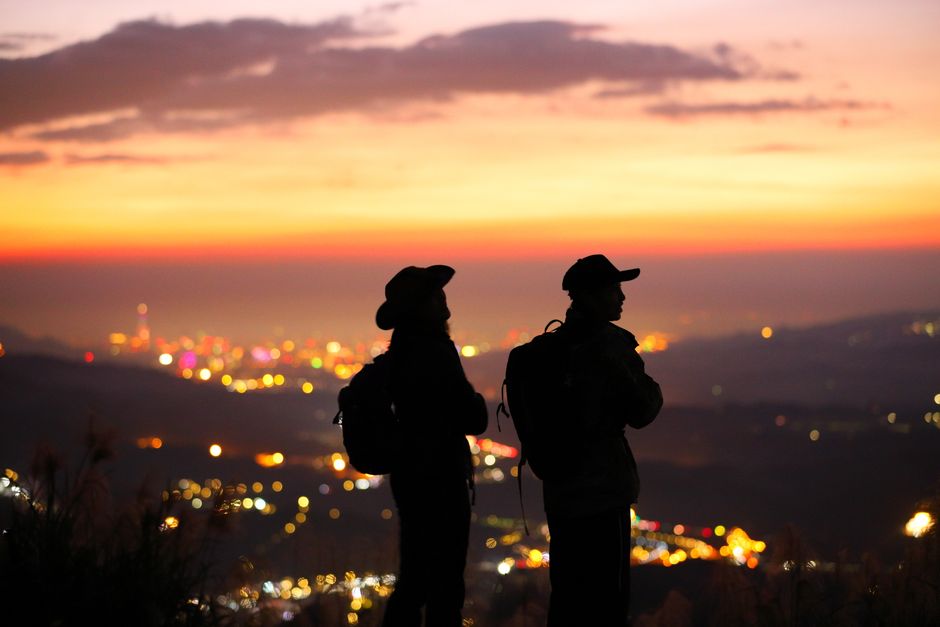
They book everything before they arrive.
Hostelworld and Agoda are convenient, but they take a 15–20% commission. In 2026, many hostels in Vietnam and Laos offer walk-in rates 30% below online prices. I tested this in March 2026: a dorm in Hoi An listed at $10 on Hostelworld was $7 at the front desk. Same room, same date.
Exception: book ahead for peak season (December–February) and for the islands. Koh Phi Phi and the Gili Islands fill up weeks in advance. For everything else, arrive, walk around, and negotiate. Hostels in Cambodia and Laos routinely drop prices if you stay 3+ nights.
Another mistake: not checking bus company reviews
Cheap buses in Vietnam and Cambodia are infamous for scams. A $5 bus from Phnom Penh to Siem Reap might take 9 hours instead of 6, with no AC. Use 12Go Asia to compare companies, and pay the extra $2 for a reputable operator like Giant Ibis or The Sinh Tourist. That $2 saves you 3 hours and a headache.
Where Your Dollar Still Goes the Farthest (and Where It Doesn’t)
Best value for money in 2026: Northern Vietnam and rural Laos. In Sapa, a homestay with meals costs $15/night. In Nong Khiaw, Laos, you can rent a bungalow over the river for $12. These places aren’t discovered by the mainstream yet. The food is local, the people are genuine, and the prices haven’t adjusted upward.
Worst value for money: Bali and Koh Samui. Both have become mini-Europe in terms of prices. A coffee in Seminyak costs $4. A dorm in Koh Samui hits $15–18. These places still work if you have $60/day to spend, but they’re not backpacker territory anymore.
Thailand is a mixed bag. Bangkok and Chiang Mai are still affordable if you eat street food and stay in older hostels. But the islands (Phi Phi, Phuket, Koh Tao) have priced out budget travelers. A dorm on Koh Tao now costs $14–18. Five years ago it was $8. The scuba diving there is still world-class and relatively cheap ($30–40 per dive), but the accommodation costs hurt.
What about Myanmar and the Philippines?
Myanmar is cheap ($20–25/day) but currently complicated to enter due to the political situation. Check your government’s travel advisory before booking. The Philippines is moderate — $35/day works in Palawan or Cebu, but internal flights between islands eat your budget. A flight from Manila to Puerto Princesa costs $50–70 round trip. Factor that in.
When NOT to Backpack Southeast Asia (Honest Advice)
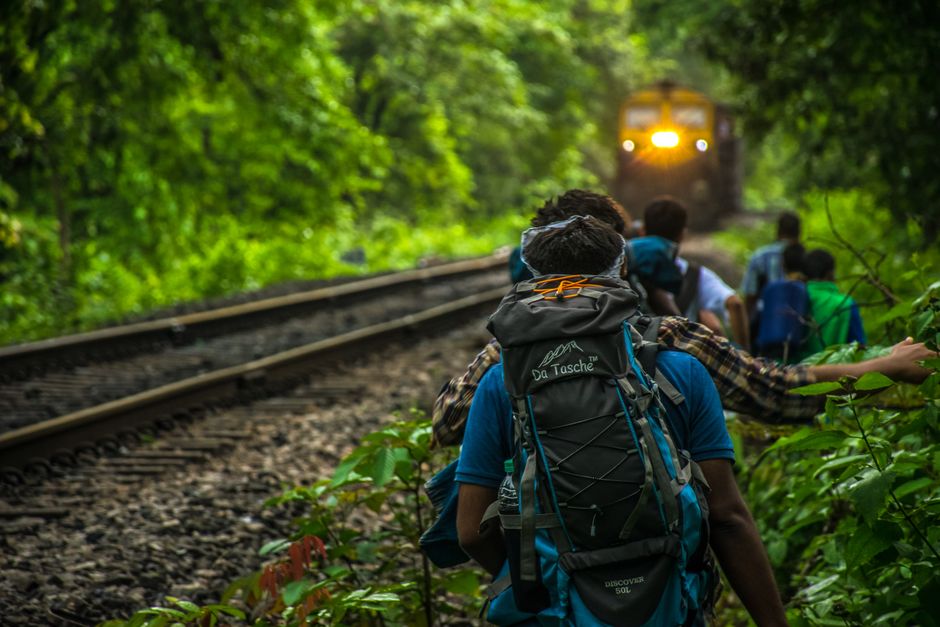
This might sound strange coming from a budget travel writer, but: don’t backpack Southeast Asia in 2026 if you can’t handle heat and humidity. The climate has shifted. April and May in Thailand now regularly hit 40°C (104°F) with 90% humidity. That’s not backpacking — that’s survival. Hostels with AC charge a premium, and you’ll spend more on cold drinks and taxis just to function.
Also: don’t come if you need reliable fast internet for remote work. Laos and rural Cambodia have spotty connections. Vietnam is better, but even there, a $7 dorm won’t have fiber optic. If you need to work, budget $15–20/night for a hostel with a coworking space or a private room with good wifi. The common advice “just work from a cafe” fails when the cafe has no AC and the power cuts out twice a day.
Alternative: consider Taiwan or Malaysia instead. Taiwan has excellent infrastructure, fast wifi everywhere, and costs $35–40/day. Kuala Lumpur, Malaysia, offers $8 dorms with rooftop pools and $2 noodle bowls. It’s cheaper than Bali and more comfortable than rural Laos.
When to splurge
If you have $50/day instead of $30, spend it on one nice meal per week and a private room every fourth night. The burnout rate for budget backpackers is high. After 10 days of street food and dorm bunks, you’ll crave a proper bed and a restaurant with a menu you can’t pronounce. Budget for that. It’s not a luxury — it’s maintenance.
The Verdict: Is It Still Affordable?
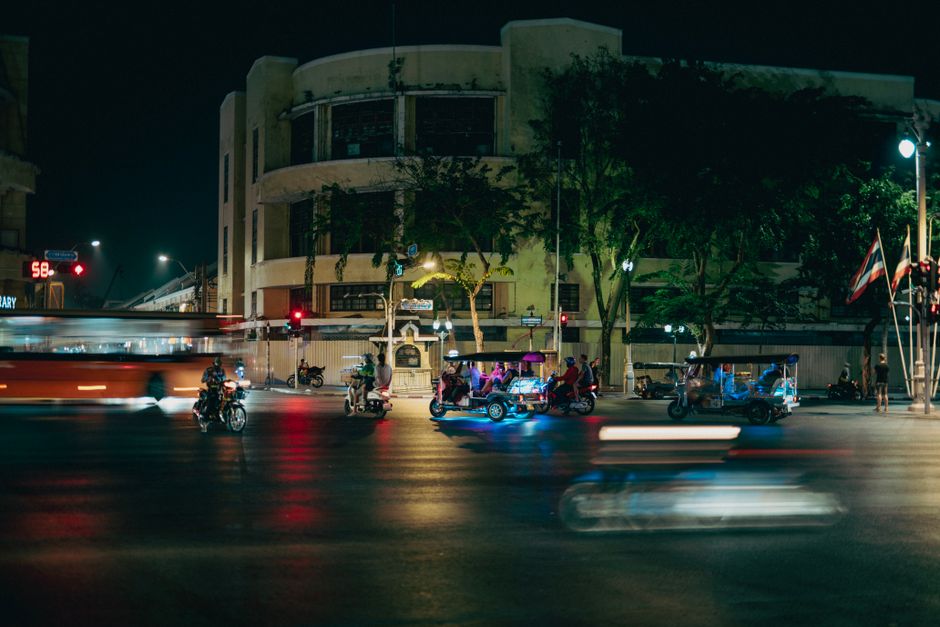
Yes, but with conditions.
If you stick to Laos, Vietnam, and rural Cambodia, you can travel on $25–30/day in 2026 and live well. That’s the same as 2019, adjusted for inflation. If you want Thailand and Bali, expect to spend $40–50/day — about 30% more than five years ago.
My specific recommendation: start in Hanoi, Vietnam. Fly into Noi Bai Airport (often $400–600 round trip from the US or Europe). Spend 3 weeks going south through Hoi An, Da Lat, and Ho Chi Minh City. Cross into Cambodia for Angkor Wat. End in Bangkok and fly home. That route gives you the cheapest countries first, lets you adjust to the heat, and saves the more expensive Thailand leg for the end when you’re ready to spend a bit more.
Book your first 2 nights online. Show up for the rest. And bring a reusable water bottle — filtered water stations are everywhere in Vietnam and cost $0.10 per liter. That alone saves you $1–2/day.
Backpacking Southeast Asia in 2026 isn’t dead. It just requires smarter decisions than it did in 2019. Skip the islands. Eat where locals eat. Walk in and negotiate. Your $50/day still works — you just have to know where to spend it.